
Propagation
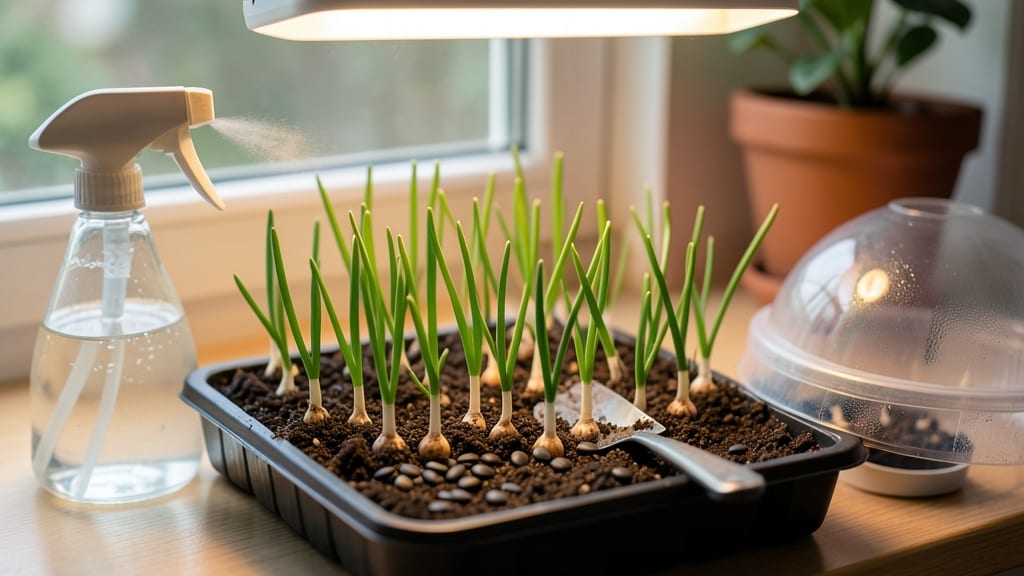
How to grow onions from seeds indoors means fresh, homegrown harvests by summer. 🌱 I’ve started hundreds of onion seeds, and the key is patience—these aren’t quick-growing plants, but the payoff is worth it. You’ll end up with onions tailored to your taste, from sweet Vidalia to bold red varieties, all grown from tiny seeds. The setup is simple: bright light (a sunny window or grow light), small pots, and consistent moisture. Most people rush the process, but onions need 120-150 days to mature, so start them indoors 10-12 weeks before your last frost. The secret? Keeping them cool at first, then gradually warming them to encourage strong roots. By transplanting seedlings outdoors in early spring, you’ll harvest larger bulbs than store-bought sets. The flavor? Unmatched. The space savings? Huge. Even if you’ve never grown onions before, this method works—just don’t expect overnight results. Troubleshooting is easy once you know the signs: leggy seedlings mean too little light, while yellowing leaves often mean overwatering. With the right care, you’ll have a thriving batch of onion plants ready to thrive in your garden. Here’s how to get started right.
📚 In This Guide
- What you need
- Instructions
- Tips and common mistakes
- Wrapping up and next steps
What you need
- ● Onion seeds: Choose a variety suited for indoor growing (e.g., Allium cepa or short-day onions). Start with 1-2 packets (50-100 seeds) for a small batch.
- ● Seed-starting trays or small pots: Use 2-4 inch pots or a tray with individual cells (at least 12-24 cells for a starter batch). Ensure they have drainage holes!
- ● Seed-starting mix: A lightweight, sterile potting mix (avoid garden soil—it’s too dense). A 5-10 quart bag should suffice.
- ○ Grow lights or a sunny windowsill: Onions need 12-16 hours of light daily. A full-spectrum LED grow light (optional but ideal) or a south-facing window works.
- ● Watering can or spray bottle: A gentle spray nozzle helps avoid disturbing seeds.
- ○ Plastic wrap or humidity dome: Keeps seeds moist while germinating (optional but helpful for beginners).
- ● Heating mat: Speeds up germination (set to 70-75°F).
- ● Fertilizer: A balanced, water-soluble fertilizer (5-5-5 or 10-10-10) to boost early growth.
- ● Plant labels: Mark varieties if growing multiple types.
- ● Pruning shears or scissors: For trimming foliage later.
- ● Transplanting trays: Larger 3-4 inch pots for seedlings before moving outdoors.
Step-by-step instructions for growing onions from seeds indoors
Here's my foolproof method for coaxing onions from tiny seeds into strong starts ready for transplanting.
🌱 Step 1: Prepare Containers and Seed Starting Mix
Use clean 2-3 inch deep containers with drainage holes—plastic cell packs or small pots work perfectly. Fill them with sterile seed-starting mix (not garden soil) and moisten until it's damp like a wrung-out sponge. Press the mix down gently to remove air pockets but don't compact it.
I like to use a shallow tray underneath to catch any drainage. The reason we avoid garden soil is that it's too dense and can harbor diseases that will rot onion seeds before they even sprout. Tap the containers lightly on the table to settle the soil evenly.
🌱 Step 2: Sow Seeds Properly for Even Germination
Sow 1-2 seeds per cell at a depth of ¼ inch—this is crucial because onions need light to germinate properly. Cover lightly with additional mix, then mist gently with water until the surface looks uniformly damp. I use a fine spray bottle to avoid disturbing the seeds.
Place the containers in a warm spot (70-80°F)—a seedling heat mat works wonders here. Keep them covered with plastic wrap or a humidity dome to maintain moisture. You'll see sprouts in 10-20 days, though some stubborn varieties may take up to 30 days.
☀️ Step 3: Provide Optimal Light Conditions
The instant you see green sprouts, remove any cover and move them to bright light immediately. Onions need 14-16 hours of light daily—a south-facing window rarely provides enough intensity, so I use a grow light positioned 2-4 inches above the seedlings.
Watch for leggy growth (long, thin stems reaching for light)—this means your light source is too far away. Strong seedlings will have thick stems and dark green leaves. Rotate the containers daily so plants grow straight rather than leaning toward one side.
💧 Step 4: Water and Fertilize for Strong Growth
Water when the top inch of soil feels dry, keeping the soil consistently moist but never soggy. I use a spray bottle for gentle watering to avoid disturbing the seedlings. Once they develop 2-3 true leaves (not counting the first seed leaves), fertilize lightly with a balanced liquid fertilizer diluted to half strength.
Onions are slow growers, so be patient. You'll know they're thriving when you see new leaves emerge every 1-2 weeks. This steady growth means they're ready for their next phase—hardening off before transplanting outdoors.
⏰ Step 5: Harden Off and Prepare for Transplanting
About 2-3 weeks before your last frost date, start hardening off the seedlings. Place them outside in a sheltered, shaded spot for 1-2 hours the first day, gradually increasing time over 7-10 days until they can handle full sun.
Transplant when seedlings are 4-6 inches tall and have 4-5 leaves. Space them 2-3 inches apart in the garden or larger containers. The key here is to handle the seedlings gently—grasp them by the leaves, not the stems, to avoid damaging the roots.
Tips & tricks for growing onions from seeds indoors
Here's what nobody tells you about growing onions from seeds—these tricks will save you from common pitfalls.
Light Source Strategy: That 14-16 hours of daily light is non-negotiable for strong seedlings. If you're using a grow light, position it just 2-4 inches above the plants and adjust as they grow. I've found that LED grow lights are more energy-efficient than fluorescent ones, and they produce less heat that can stress young plants. For windowsill growers, supplement with a small clip-on light during cloudy days—onions won't tolerate dim conditions.
Germination Game-Changer: The ¼-inch seed depth might seem shallow, but it's perfect for onions. If you plant them too deep, they'll struggle to reach the surface. I've had success using a toothpick to make tiny holes and place seeds individually—this prevents overcrowding in Step 2. After sowing, I give the containers a gentle tap on the table to ensure good seed-to-soil contact without compacting the mix.
Temperature Troubleshooting: That warm spot (70-80°F) is crucial for germination, but many homes struggle to maintain consistent warmth. If your kitchen runs cooler, consider using a seedling heat mat under the containers. I've seen germination times stretch to 30 days in cooler conditions (65°F or below)—patience is key, but warmth speeds up this critical first phase.
Watering Wisdom: The "top inch dry" rule works, but I've learned to water in the morning instead of evening. This gives excess moisture time to evaporate, preventing fungal issues that can rot onion seedlings. When you see those first true leaves appear, it's time to switch to a watering can with a gentle spray nozzle—this prevents disturbing the delicate stems while keeping the soil evenly moist.
Pro Tips for Grow Onions From Seeds Indoors
- Here's what nobody tells you about growing onions from seeds—these tricks will save you from common pitfalls.
- Light Source Strategy: That 14-16 hours of daily light is non-negotiable for strong seedlings.
- Germination Game-Changer: The ¼-inch seed depth might seem shallow, but it's perfect for onions.
Frequently asked questions
Got questions about growing onions from seeds indoors? You’re not alone! Here are some of the most common concerns—and their easy solutions—to help you succeed like a pro.
How long does it take for onion seeds to germinate indoors?
Onion seeds typically take 10–21 days to germinate indoors, depending on temperature and moisture. Keep the soil consistently moist (not soggy!) and maintain warmth (around 65–75°F) for the best results. Patience is key—some varieties may take longer than others!
Can I grow onions from seeds indoors year-round?
While you can start onions indoors anytime, timing matters! For best results, begin seeds 8–12 weeks before your last frost date. If you’re in a warm climate, you might even try fall or winter starts for spring harvests. Just avoid extreme heat or cold, which can stunt growth.
What if my onion seedlings look leggy or weak?
Leggy seedlings usually mean they’re stretching for light. Move your trays to a sunnier spot or use a grow light 12–16 hours daily. If they’re already tall, bury them deeper in the soil (up to the first set of leaves) to encourage stronger roots. Avoid overcrowding too!
Do I need to transplant onion seedlings, or can I grow them directly in pots?
You can grow onions in pots without transplanting if you use deep containers (at least 6–8 inches deep) and space them properly (2–3 inches apart). However, transplanting seedlings into larger pots or garden beds after 4–6 weeks often yields healthier, bigger onions.
What’s the best way to harden off onion seedlings before moving them outside?
Harden off seedlings by gradually exposing them to outdoor conditions over 7–10 days. Start with 1–2 hours of shade on mild days, then increase sun exposure and time. Avoid hard winds or frost—wait until nighttime temps stay above 50°F before planting outdoors.
Wrapping up and next steps
Growing onions from seeds indoors is a rewarding journey that connects you to your food—and it’s easier than you think! 🌱 With the right containers, soil, and patience, you’ll soon be harvesting fresh, flavorful onions to brighten your meals.
Start small, experiment with varieties, and don’t be afraid to troubleshoot along the way.
Now that you’re armed with the know-how, why not take the next step? Try your hand at growing another veggie from seed, like garlic or green onions, or share your newfound skills with a fellow gardening enthusiast. Happy growing—your kitchen (and taste buds) will thank you! 🎉