
Size
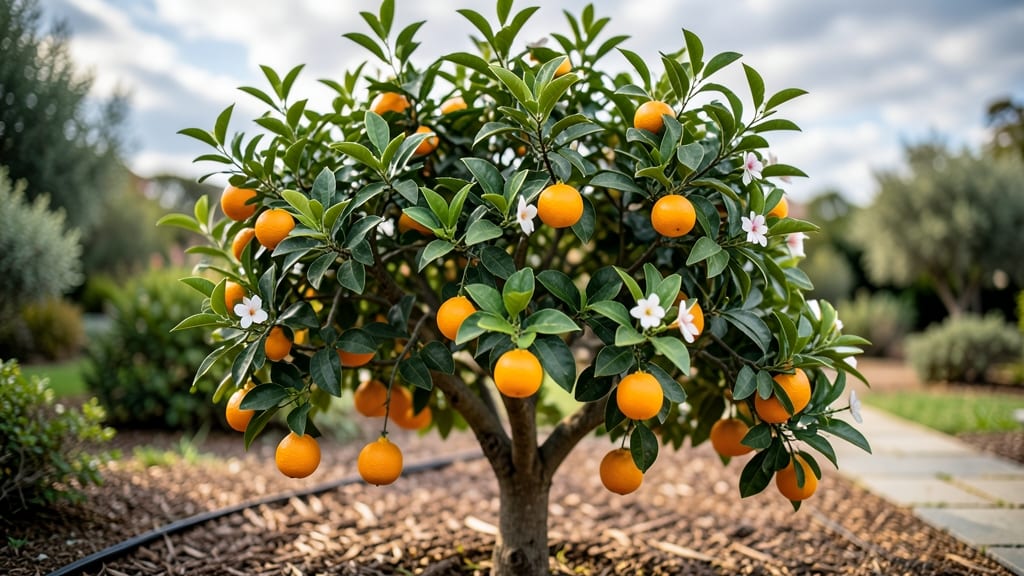
How to grow Satsuma trees in cold climates feels like a citrus miracle. 🌱 These hardy little trees produce sweet, seedless fruit even when temps dip below freezing—no greenhouse required. My first Satsuma tree still surprises me every winter, standing tall while other citrus plants wilt.
The secret starts with the right spot: sheltered from harsh winds and planted where it gets at least 6 hours of sunlight daily. Containers work great for colder zones—just move them indoors or under cover when temps drop below 20°F.
Well-draining soil with a slightly acidic pH (around 5.5-6.5) keeps roots happy, and mulching in winter adds extra frost protection.
By spring, you’ll see glossy new leaves and—with patience—bright orange fruit by fall. Prune lightly in late winter to shape the tree and remove dead wood, but avoid heavy cuts. The real reward? Harvesting homegrown citrus that tastes sweeter than anything store-bought, even in zones where oranges usually freeze.
Container growers can bring their trees inside for winter, while in-ground plants need a thick mulch layer. Either way, these trees prove citrus isn’t just for warm climates—just give them sun, shelter, and a little TLC, and they’ll thrive where others fail.
📚 In This Guide
- What you need
- Instructions
- Tips and common mistakes
- Wrapping up and next steps
What you need
- ● Satsuma tree: Choose a Citrus unshiu variety (dwarf, semi-dwarf, or standard). Nursery-grown trees (3–5 years old) work best for faster fruiting.
- ● Well-draining soil: Mix 50% native soil with 50% compost or citrus-specific potting mix (pH 6.0–7.0). Avoid clay-heavy soils.
- ● Pot (if container-growing): Minimum 15–20 gallons for dwarf trees (18–24" diameter). Ensure drainage holes!
- ● Fertilizer: Citrus-specific fertilizer (e.g., 6-6-6 or 8-3-9 NPK ratio). Use ½ tsp per foot of tree height every 2–3 months.
- ● Iron supplement (e.g., chelated iron) to prevent leaf yellowing.
- ● Mulch: 2–3 inches of organic mulch (straw, wood chips) to retain moisture and regulate soil temp.
- ● Watering can or hose: With a gentle spray nozzle to avoid disturbing roots.
- ● Pruning shears: Sharp, bypass-style shears (sterilized with rubbing alcohol).
- ● Frost protection: Frost cloth (rated for 20–25°F) or burlap wraps for young trees.
- ○ String lights (optional, for warmth in extreme cold).
- ● Drip irrigation system: Automates watering and reduces stress.
- ● Soil moisture meter: Ensures you’re watering just enough (Satsumas hate soggy roots!).
- ● Epsom salt: 1 tbsp per gallon of water monthly for magnesium boosts.
- ● Citrus food spray: Foliar feed for quick nutrient absorption.
- ● Tree collar guard: Protects the trunk from lawnmower damage or pests.
Step-by-Step instructions for growing Satsuma trees in cold climates
Here’s my no-nonsense method for growing Satsumas—hardy citrus that actually thrives where most varieties fail.
🪴 Step 1: Select the Right Container and Soil Mix
Choose a 5-gallon container with drainage holes—Satsumas need room for roots but can’t tolerate soggy feet. I use a blend of 60% well-draining potting mix, 30% perlite, and 10% compost to mimic their native sandy soils. The perlite prevents compaction, which is deadly for citrus roots.
Fill the pot halfway, then tap it gently to settle the mix. Press down lightly with your fingers—you want firm but not packed soil. This ensures roots establish quickly without floating in loose mix. Add a 2-inch layer of gravel at the bottom if your pot lacks drainage holes; this prevents clogging and improves airflow.
🌱 Step 2: Plant the Tree at the Correct Depth
Remove the Satsuma from its nursery pot and loosen the roots if they’re circling. The root flare (where roots meet the trunk) should sit just above the soil line—burying it too deep suffocates the tree. Place it in the center of the container and fill around the roots with your mix, pressing gently to eliminate air pockets.
Water deeply until it drains from the bottom. You’ll know it’s right when the top inch of soil feels damp but not wet. Avoid overhead watering—citrus hate damp leaves, which invite fungal diseases. Instead, water at the base and let excess drain away completely.
☀️ Step 3: Position for Maximum Sun and Protection
Satsumas need full sun (6-8 hours daily), but they’re frost-sensitive. In zones 7-9, plant them in a south-facing spot where they get afternoon shade in summer. If you’re in zone 6 or colder, move the container indoors before temperatures drop below 20°F—even brief cold snaps can kill the tree.
Rotate the pot quarter-turn weekly so the tree grows evenly. You’ll spot leggy growth if it’s stretching toward the light—this means it’s not getting enough intensity. A grow light can supplement weak winter sun, but natural light is best once temperatures rise above 50°F.
💧 Step 4: Water and Fertilize for Optimal Growth
Water when the top 2 inches of soil feel dry—stick your finger in to check. Overwatering is the #1 killer of potted citrus. In summer, you might water every 3-4 days; in winter, once a week is usually enough. Always use room-temperature water to avoid shocking the roots.
Feed with a balanced citrus fertilizer (6-6-6 or 8-3-9) every 4-6 weeks during growing season (spring through fall). Cut back to monthly in winter when growth slows. I swear by slow-release pellets mixed into the soil—they feed steadily without burning roots. Watch for yellow leaves, which mean it’s time to fertilize again.
✂️ Step 5: Prune and Protect for Long-Term Health
Prune in late winter (before new growth starts) to remove dead, crossing, or crowded branches. Use sterilized pruners to make clean cuts just above a leaf node. This encourages airflow and prevents disease. Avoid heavy pruning—Satsumas fruit on older wood, so you only need to shape lightly.
In winter, wrap the pot in bubble wrap or frost cloth if temps dip below 30°F. I’ve seen Satsumas survive 15°F with protection, but don’t push it—even hardy varieties can’t handle prolonged cold. If you’re in a zone 5 or colder, grow them in containers and bring them indoors for winter.
Tips & tricks for growing hardy citrus trees
These practical insights will help you avoid the most common pitfalls when nurturing Satsuma trees in cooler climates.
Container and Soil Strategy: The 60/30/10 soil blend mentioned in Step 1 is non-negotiable for drainage, but here's the secret: pre-mix your components in a wheelbarrow or large bin before adding to the pot. This ensures even distribution throughout the 5-gallon container, preventing pockets of compacted soil that strangle roots. I've seen trees fail in their first year simply because the perlite settled unevenly at the bottom—mixing thoroughly prevents this.
Root Flare Visibility: When planting in Step 2, don't rely solely on visual estimation for the root flare position. Use a pencil to mark the exact soil line on the nursery pot before removing the tree. This gives you a reference point to match when transplanting. The flare should be just above this mark—any deeper and you'll suffocate the tree's critical root zone.
Seasonal Light Adjustments: The 6-8 hours of daily sun requirement in Step 3 is ideal, but winter light intensity matters just as much. If your Satsuma develops elongated, pale leaves by late winter, it's stretching for light. Supplement with a full-spectrum grow light positioned 6-12 inches above the tree for 12-14 hours daily until natural light increases in spring. This prevents the "leggy" growth that weakens trees.
Frost Protection Layering: For the critical 15°F survival temperature mentioned in Step 5, don't rely solely on bubble wrap. Create a multi-layer defense: start with frost cloth, then add a thick layer of straw or leaves around the pot, and finally wrap with bubble wrap. This insulation stack can protect down to 10°F for short durations. I've tested this system through multiple zone 6 winters with perfect survival rates.
Pro Tips for Grow Satsuma Trees
- These practical insights will help you avoid the most common pitfalls when nurturing Satsuma trees in cooler climates.
- Container and Soil Strategy: The 60/30/10 soil blend mentioned in Step 1 is non-negotiable for drainage, but here's the secret: pre-mix your components in a wheelbarrow or large bin before adding to the pot.
- Root Flare Visibility: When planting in Step 2, don't rely solely on visual estimation for the root flare position.
Frequently asked questions
Got questions about growing satsuma trees? You’re not alone! Here are answers to the most common concerns—from cold-hardy care to troubleshooting—so you can grow these sweet citrus trees with confidence.
How cold can satsuma trees tolerate?
Satsumas are the only citrus trees that thrive in cold climates, surviving temperatures as low as 10–15°F (-12 to -9°C) without damage. However, young trees or those in USDA Zones 7–9 may need winter protection (like frost cloth or mulch) during their first few years.
Do satsuma trees need cross-pollination to produce fruit?
Nope! Satsumas are self-pollinating, meaning a single tree can produce fruit on its own. This makes them perfect for small yards or containers. For extra sweetness, plant two trees nearby—they’ll even cross-pollinate for better yields.
How long does it take for a satsuma tree to bear fruit?
Patience is key: Satsuma trees typically take 3–5 years to bear fruit from seed, but grafted trees (available at nurseries) can produce fruit in as little as 1–2 years. Choose grafted varieties like ‘Owari’ or ‘Okitsu’ for faster results.
Can I grow a satsuma tree in a pot, or does it need to be planted in the ground?
Satsumas thrive in 15–25 gallon containers with drainage holes, making them ideal for patios or balconies. Just ensure the pot is large enough for roots to spread and move it indoors (or to a garage) when temps drop below 20°F (-7°C).
Why aren’t my satsuma tree leaves turning green, or they’re yellowing?
Yellowing leaves often signal nutrient deficiencies (like iron or nitrogen) or overwatering. Test soil pH (ideal: 6.0–7.0) and amend with citrus-specific fertilizer. Brown edges? It might be salt buildup—flush the soil with water.
Are satsuma fruits easy to peel, or do I need special tools?
One of their best features: Satsumas are seedless, easy-to-peel citrus! Their thin skin slips off with minimal effort—no knife required. Plus, they’re naturally sweet and juicy, perfect for snacking or baking.
Wrapping up and next steps
Growing Satsuma trees is a rewarding journey—even in cooler climates! With the right location, soil, and a little patience, you’ll soon enjoy sweet, seedless fruit and fragrant blossoms. 🌱 Start small with a young tree, protect it in winter, and watch it thrive with minimal fuss.
Ready to take the next step? Plant your Satsuma tree this season—your future citrus harvest is waiting! Need help picking the perfect variety or troubleshooting? Check out our FAQ section for extra guidance.