
Size
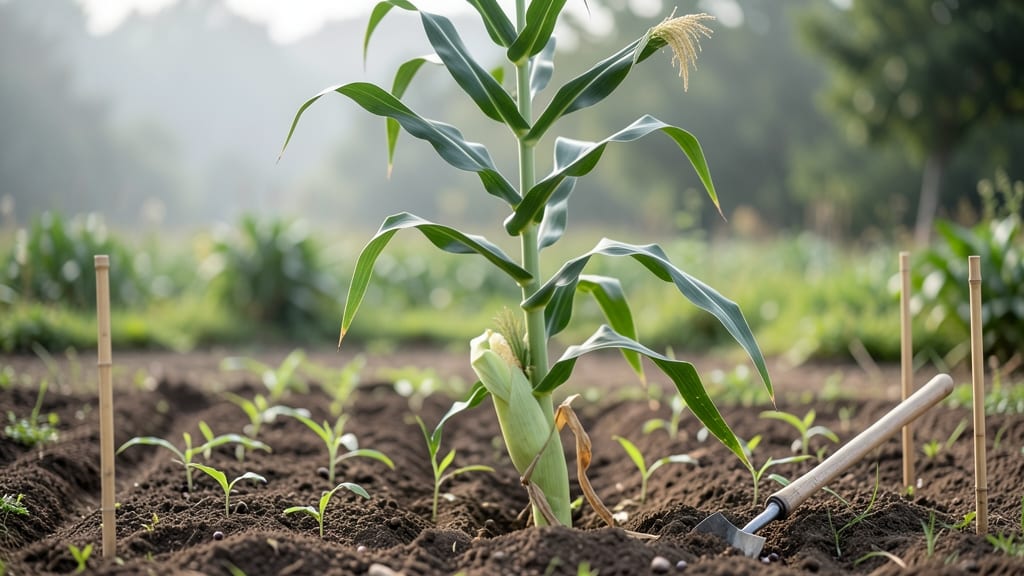
Sweet corn transforms how to grow sweet corn in the garden into a golden treasure trove. 🌽 I planted my first row last June and ended up with ears so tender they practically melted in my mouth—here’s how to replicate that magic in your backyard.
Start with rich, well-draining soil mixed with compost (corn loves nitrogen), plant seeds 1 inch deep and 4 inches apart, and space rows 3 feet apart for proper airflow.
The key? Warm soil (wait until night temps stay above 55°F) and consistent moisture—drought stress turns sweet corn tough and starchy.
By mid-summer, you’ll harvest 6-8 weeks after planting, with each stalk producing 1-2 ears. The secret to juicy kernels is picking when silks turn brown and tassels dry—test one ear daily for peak sweetness. Even my neighbor’s skeptical "corn won’t grow here" crowd now begs for extras.
Works in zones 4-10, though southern gardeners may need shade cloth in peak heat. Avoid over-fertilizing with nitrogen (too much = leafy monsters, few ears), and watch for corn earworm—drop cardboard collars around stalks at planting time. Ready to grow your own? Let’s get those seeds in the ground!
📚 In This Guide
- What you need
- Instructions
- Tips and common mistakes
- Wrapping up and next steps
What you need
- ● Sweet corn seeds: Choose a variety suited to your climate (e.g., Bodacious, Silver Queen, or Ambrosia). Buy 1–2 lbs of seed for a 10x10 ft plot (or adjust based on your garden size).
- ● Well-draining soil: Test your soil’s pH (aim for 6.0–6.8). Amend with compost if needed—sweet corn is a hungry crop!
- ● Fertilizer: Balanced fertilizer (10-10-10): Apply 1 lb per 100 sq ft at planting.
- ● High-nitrogen fertilizer (e.g., blood meal): Use ½ lb per 100 sq ft when plants reach knee-high (~6 inches).
- ● Watering supplies: Drip irrigation or soaker hose (corn needs 1–1.5 inches of water per week, especially during tasseling).
- ● Watering can (for seedlings) or sprinkler (for larger plots).
- ● Garden tools: Trowel or transplanting spade.
- ● Garden rake (for smoothing soil).
- ● Pruners (for removing dead leaves or pests).
- ● Mulch: Straw or grass clippings to retain moisture and suppress weeds.
- ● Corn cages or stakes: For tall varieties (e.g., 10+ feet), use 3–4 ft stakes or cages to support heavy ears.
- ● Pollination aids: A small hand-held fan (if bees are scarce) or nearby teosinte plants (corn’s wild relative) to boost pollination.
- ● Row covers: Lightweight fabric to protect seedlings from pests or frost.
- ● Corn planter or dibble: For precise seed placement (especially useful for larger gardens).
Step-by-step instructions for growing sweet corn in your garden
Sweet corn thrives when you mimic its natural habitat—warm soil, plenty of space, and consistent moisture. Here’s how to grow it like a pro.
🌱 Step 1: Prepare the Soil and Planting Site
Sweet corn needs loose, fertile soil with excellent drainage. Work in 2-3 inches of compost or well-rotted manure into the top 12 inches of soil before planting. Test your soil pH—corn prefers 6.0 to 6.8. If your soil is heavy clay, mix in sand or perlite to improve aeration. Avoid fresh manure, which can burn tender roots and attract pests.
Choose a location with full sun (at least 6-8 hours daily). Corn grows tall and needs space, so plant in blocks or squares (not single rows) to ensure good pollination. Wind can interfere with pollen transfer, so avoid exposed areas. If your garden is breezy, plant near a windbreak like a fence or tall plants.
🌱 Step 2: Plant Seeds at the Right Depth and Spacing
Plant seeds 1 inch deep and 4-6 inches apart in rows 24-36 inches apart. For a 4-plant yield, you’ll need about 10-12 square feet of space. Press the soil lightly around the seeds to ensure good contact. Corn seeds germinate best in soil temperatures above 60°F—wait until nighttime temperatures stay above 50°F before planting.
If you’re planting multiple varieties, space them at least 3 feet apart to prevent cross-pollination. Water gently after planting to settle the soil but avoid soaking it. Keep the soil consistently moist until germination, which typically takes 7-14 days. You’ll know it’s working when the first true leaves (not the initial seed leaves) appear.
☀️ Step 3: Maintain Consistent Water and Fertility
Sweet corn needs 1-1.5 inches of water per week, especially during tasseling (when pollen forms) and ear development. Water deeply 2-3 times per week, focusing on the roots rather than overhead sprinkling. Drip irrigation or soaker hoses work best to prevent fungal diseases like leaf blight. Avoid wetting the leaves, as this encourages mold growth.
Side-dress with balanced fertilizer (10-10-10) when plants reach 12 inches tall and again when tassels emerge. Look for silking (the fine, thread-like strands that appear between leaves)—this is when ears are forming. If silks turn brown before pollination, the plant needs more water or nutrients. Corn is heavy feeders, so don’t skimp on fertilizer.
✂️ Step 4: Monitor for Pests and Harvest at Peak Ripeness
Watch for corn earworms, aphids, and raccoons—they love ripe ears. Handpick earworms by checking for small holes or frass (insect droppings) in husks. For aphids, spray with neem oil or introduce ladybugs. To deter raccoons, harvest promptly and remove dropped ears from the garden.
Harvest when silks turn brown and dry and kernels are milky when pierced with a fingernail. Use a sharp knife to cut the stalk 4-6 inches below the ear—this leaves the plant to photosynthesize for any remaining ears. Store harvested ears in the fridge for 3-5 days or blanch and freeze for long-term use. The sooner you harvest after silks dry, the sweeter the corn.
🌿 Step 5: Extend the Season with Succession Planting
For a continuous harvest, plant succession crops every 2 weeks until 6 weeks before your first frost. Early varieties mature in 60-70 days, while late-season types take 90+ days. If your growing season is short, choose bicolor or super-sweet varieties, which ripen faster and stay sweeter longer.
After harvest, pull up remaining stalks and compost them to prevent pests from overwintering. Rotate your corn planting location next year—corn depletes soil nutrients and attracts the same pests if planted in the same spot repeatedly. With the right care, you’ll go from seed to ear in 2-3 months and enjoy homegrown sweetness all season.
Tips & tricks for growing sweet corn like a pro
Here's what nobody tells you about transforming your garden into a cornfield goldmine—these tricks ensure your stalks reach their full potential.
Soil Prep Secret: Before amending your soil with compost, run a simple DIY pH test using vinegar and baking soda. Mix equal parts vinegar and water in one container, baking soda and water in another. Add soil samples to each—if it fizzes in vinegar (pH below 6.0), add lime; if it fizzes in baking soda (pH above 6.8), add sulfur. Aiming for that 6.0-6.8 range is non-negotiable for sweet corn, and this quick test saves you from guessing.
Planting Timing: The 6-8 hours of daily sunlight requirement isn't just about duration—it's about intensity. Plant when your average daytime highs hit 75°F consistently, not just when nighttime temps stay above 50°F. Early morning sunlight is gentler, so position your corn blocks to receive maximum afternoon sun when temperatures peak. This prevents heat stress during the critical tasseling phase when pollen production happens.
Watering Wisdom: Those 1-1.5 inches of weekly water should be delivered in the morning between 6-9 AM to prevent fungal issues. Use a rain gauge or tuna can to measure—eyeballing leads to inconsistent moisture. The key is maintaining even soil moisture without waterlogging. I've seen corn plants wilt dramatically after heavy afternoon watering only to recover overnight, but that stress reduces yield. Consistency is everything.
Harvesting Hack: When checking for milky kernels, pierce the side of the ear near the tip—not the base. The base often stays milky longer even when the rest is mature. Also, harvest on cooler days (early morning or late afternoon) to preserve sweetness. The corn's natural sugars convert to starch faster in direct sunlight after harvest, so timing matters more than you'd think.
Pro Tips for Grow Sweet Corn In Garden
- Here's what nobody tells you about transforming your garden into a cornfield goldmine—these tricks ensure your stalks reach their full potential.
- Soil Prep Secret: Before amending your soil with compost, run a simple DIY pH test using vinegar and baking soda.
- Planting Timing: The 6-8 hours of daily sunlight requirement isn't just about duration—it's about intensity.
Frequently asked questions
Got questions about growing sweet corn? You’re not alone! Here are answers to the most common queries from gardeners just like you.
How long does it take for sweet corn to grow?
Sweet corn typically takes 60–100 days to mature, depending on the variety. Early-season types (like ‘Silver Queen’) may be ready in 60–70 days, while slower varieties can take up to 100+ days. Check the seed packet for exact days-to-maturity—this helps plan your planting schedule!
When is the best time to plant sweet corn?
Plant sweet corn 1–2 weeks after your last frost date when soil is at least 60°F (15°C). For cooler climates, start seeds indoors 2 weeks before transplanting or sow directly in warm soil. Pro tip: Corn thrives in heat, so avoid planting too early—cold soil slows germination.
Why are my corn plants wilting or dying?
Wilting corn is often a sign of pests (corn earworms, cutworms) or disease (fungal blight). Check for chewed leaves or blackened stems. Solutions:
- Handpick pests at night (earworms hide in husks).
- Remove infected plants immediately to prevent spread.
- Improve airflow by spacing plants 12–18 inches apart.
Can I grow sweet corn in containers or small spaces?
Yes! Use 5-gallon buckets or deep pots (12+ inches) for 1–2 plants per container. Dwarf varieties like ‘Golden Bantam’ work best. Place containers in full sun and fertilize weekly with a balanced feed. Just ensure pots have drainage—corn hates soggy roots!
What’s the difference between sweet corn and field corn?
Sweet corn is bred for high sugar content (eaten fresh or frozen), while field corn (dent corn) is starchy and used for livestock feed, ethanol, or processed foods. Sweet corn has tender kernels, softer husks, and sweeter flavor. If you see hard, dry kernels, it’s likely field corn—skip it for eating!
Wrapping up and next steps
Growing sweet corn in your garden is a rewarding journey that combines patience, a little elbow grease, and a sunny plot of land. With the right variety, soil prep, and care, you’ll soon be harvesting golden ears straight from your backyard—no grocery store in sight! 🌽✨
Ready to take the next step? Start small with one or two rows this season, and let your confidence (and corn patch!) grow. Before you know it, you’ll be sharing fresh-picked ears with neighbors or whipping up homemade cornbread like a pro. Happy planting!