
Propagation
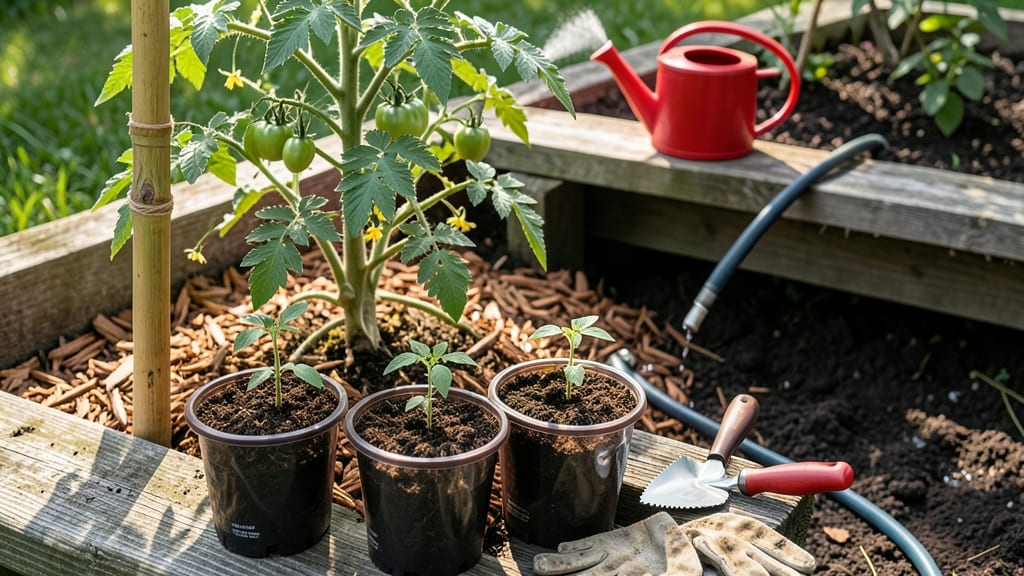
How to grow tomatoes from seed outdoors turns a $2 plant into a foot-tall bush loaded with fruit. 🌱 I’ve started seeds in every kind of soil—even my neighbor’s questionable compost—and learned the few tricks that make the difference between wimpy seedlings and sturdy, sun-loving plants ready for summer. The secret isn’t fancy: it’s timing, warmth, and patience. Start seeds indoors 6-8 weeks before your last frost, then move them outside only after nighttime temps stay above 50°F. Too cold? They’ll sulk. Too rushed? They’ll flop. But get it right, and you’ll transplant healthy seedlings that take off like a rocket. By midsummer, you’ll be picking tomatoes so ripe they practically fall into your hands. The flavor? Nothing from the store can compete. And the best part? You’ll save money, grow varieties you can’t find anywhere else, and enjoy the satisfaction of watching something you started from a speck of seed turn into a meal. This works for any climate—just adjust timing. Let’s get those seeds sprouting!
📚 In This Guide
- What you need
- Instructions
- Tips and common mistakes
- Wrapping up and next steps
Step-by-step instructions for growing tomatoes from seed outdoors
Here's how I start tomatoes from seed every year—no fancy equipment, just reliable results.
🌱 Step 1: Time Your Planting for Warm Soil
Tomatoes need soil that's at least 60°F to germinate properly. Wait until 2-3 weeks after your last frost date when nighttime temperatures stay above 50°F. I test soil readiness by pressing my finger into the ground—if it feels warm to the touch, it's time to plant.
Direct sowing works best in warmer climates. In cooler regions, start seeds indoors 6-8 weeks before transplanting to avoid chilly soil. Mark your calendar now: tomatoes take 70-85 days to mature from seed, so plan accordingly.
🪴 Step 2: Prepare the Planting Site
Choose a location with full sun (6-8 hours daily) and well-draining soil. Tomatoes hate soggy roots, so avoid low spots where water pools. I amend the soil with 2 inches of compost worked into the top 6 inches of soil—this improves drainage and provides nutrients.
Space seeds ¼ inch deep and 1 inch apart in rows 18-24 inches apart. Plant 3-4 seeds per hill since not all will germinate. Thin to the strongest seedling later. Water gently after planting to settle the soil without disturbing seeds.
💧 Step 3: Maintain Moisture and Protect Young Plants
Keep soil consistently moist but never soggy during germination. I water every morning with a gentle spray until seedlings appear. After germination, water at the base 1 inch deep when the top 1-2 inches of soil feel dry.
Once seedlings reach 2 inches tall, thin to the strongest plant per hill. Use scissors to snip weak seedlings at soil level—this prevents disturbing roots. Mulch with 2 inches of straw to retain moisture and suppress weeds.
☀️ Step 4: Support and Fertilize for Strong Growth
When plants reach 12 inches tall, install 6-foot stakes or cages near each plant. Gently tie stems to supports with soft plant ties—this prevents wind damage. I fertilize with balanced 10-10-10 at half-strength every 2 weeks once flowers appear.
Watch for first flowers—this signals fruit will follow in 4-6 weeks. Prune suckers (side shoots) regularly to direct energy to fruit production. Remove any leaves touching the ground to prevent disease.
⏰ Step 5: Harvest at Peak Ripeness
Tomatoes ripen when they turn fully colored and yield slightly to gentle pressure. I harvest every 2-3 days to encourage more production. Use pruning shears to cut stems cleanly—this prevents disease entry points.
Store ripe tomatoes at room temperature for 1-2 days or refrigerate for longer storage. Save seeds from your best tomatoes by scooping out jelly-like pulp, fermenting for 3 days, then rinsing and drying on paper towels.
Tips & tricks for perfect outdoor tomato seedlings
These simple strategies will help you skip the trial-and-error and get strong, productive tomato plants every season.
Soil Warmth Test: That 60°F soil temperature is non-negotiable for germination. I've learned the hard way—cold soil means no sprouts. If your finger sinks in and feels cool, wait. For a quick check, place a clear plastic cup filled with water in the sun for an hour. If it reaches 60°F, your soil's ready. This works especially well for late spring planting when mornings are still chilly.
Indoor Start Advantage: For cooler climates, those 6-8 weeks indoors are crucial. I use seedling trays with clear domes to create mini greenhouses. Place them on a warm spot (like above the fridge) and keep the soil moist. After 2-3 weeks, when seedlings have their first true leaves, they're ready for transplanting. Just harden them off by moving to outdoor conditions for a few hours each day before the final move.
Watering Wisdom: The "every morning" watering rule is golden, but timing matters too. Water in the early morning so leaves have all day to dry—this prevents fungal diseases like early blight. I use a gentle spray nozzle for seedlings to avoid disturbing the soil. Once they're established, water at the base rather than overhead. A 1-inch deep soak is better than frequent light sprinkles that encourage shallow roots.
Compost Boost: That 2 inches of compost isn't just about nutrients—it's about creating the perfect environment. Mix in a handful of worm castings if you can find them; they add beneficial microbes that help seedlings establish faster. For extra insurance, add a sprinkle of mycorrhizal fungi powder to the planting hole when transplanting. These microscopic helpers boost root development and disease resistance.
Pro Tips for Grow Tomatoes From Seed Outdoors
- These simple strategies will help you skip the trial-and-error and get strong, productive tomato plants every season.
- Soil Warmth Test: That 60°F soil temperature is non-negotiable for germination.
- Indoor Start Advantage: For cooler climates, those 6-8 weeks indoors are crucial.
Frequently asked questions
Got questions about growing tomatoes from seed outdoors?
You’re not alone! Here are answers to the most common ones to help you grow a thriving harvest.
How long does it take for tomato seeds to germinate outdoors?
Tomato seeds typically germinate in 5–14 days after planting, depending on soil warmth and moisture. Start seeds indoors 6–8 weeks before the last frost for a head start, or sow directly outdoors after soil temps hit 60°F+. Keep soil consistently moist (not soggy) to speed up germination!
Can I plant tomato seeds directly in the garden without starting them indoors?
If you live in a long, warm growing season (like zones 8–10), you can direct-sow seeds outdoors 2–3 weeks after your last frost when soil is at least 60°F. Just plant seeds ½ inch deep and thin seedlings to 18–24 inches apart. Cooler climates? Start indoors for bigger, earlier plants!
What do I do if my tomato seedlings look leggy or weak?
Leggy seedlings mean they’re stretching for light—a classic sign of poor germination conditions. Fix it by:
- Moving them to a sunny window or grow light (12–16 hours/day).
- Buried deeper (up to the first true leaves) to stabilize stems.
- Avoid overwatering (keep soil moist but not waterlogged).
Why are my tomato plants flowering but not fruiting?
Flowering without fruit usually means stress or poor pollination. Try these fixes:
- Check temps: Tomatoes need warm days (70°F+) and cool nights (50–60°F) to set fruit.
- Hand-pollinate: Gently shake plants or use a paintbrush to transfer pollen.
- Fertilize: Add a balanced fertilizer (10-10-10) or compost for nutrients.
- Avoid overwatering: Too much water can cause blossom drop.
How do I protect my tomato plants from late-season frost?
Frost can kill tomato plants overnight, but you can safeguard them with:
- Row covers or lightweight blankets (remove during the day).
- Cloche or cold frame for individual plants.
- Mulch heavily (straw or leaves) to insulate roots.
- Move potted plants indoors or to a garage (if temps drop below 32°F).
Wrapping up and next steps
Growing tomatoes from seed outdoors is a rewarding journey that starts with patience and a little know-how.
By following these steps—from selecting the right seeds to nurturing strong seedlings and protecting them from pests—you’ll soon be harvesting juicy, homegrown tomatoes straight from your garden. Don’t let a few setbacks discourage you! Every gardener faces challenges, but the satisfaction of biting into a vine-ripened tomato makes it all worth it.
Ready to take the next step? Start small—plant a few seeds this season and build your confidence. Once you’ve mastered the basics, experiment with heirloom varieties or try growing in containers. Happy gardening! 🌱🍅