
Size
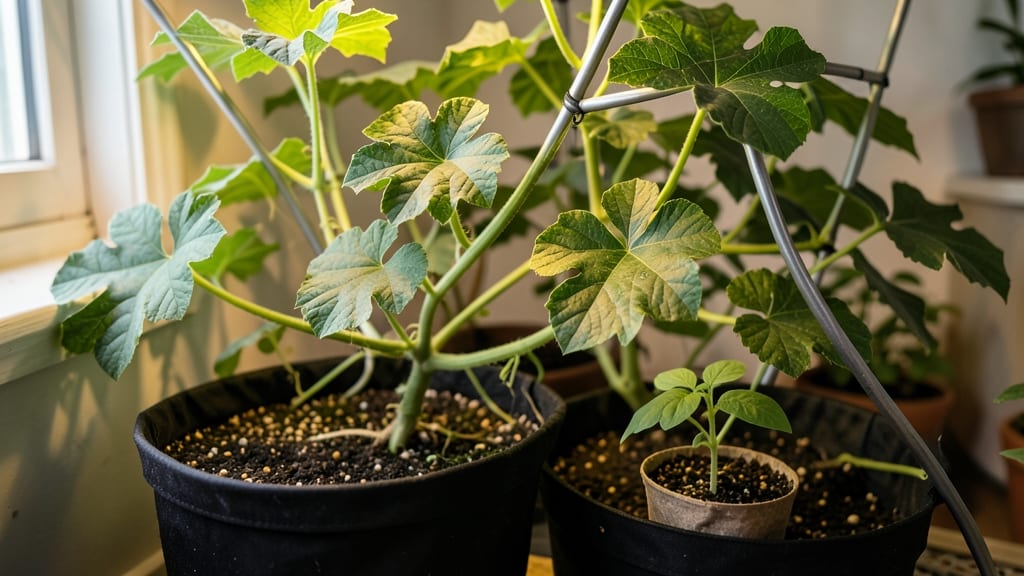
How to grow watermelon inside feels like cheating the system. 🌱 I've turned my sunroom into a mini melon factory using dwarf varieties that stay compact enough for containers, and the sweetest surprise is how well they thrive with the right setup.
The secret isn't fancy equipment—it's matching the right 5-gallon containers, well-draining soil, and a grow light that mimics summer sun. Most people overwater or underestimate how much light these vines need. I learned that the hard way when my first batch stretched like overcaffeinated teenagers toward a dim window.
By midsummer, you'll be harvesting 3-5 pound melons that taste better than anything from the grocery store. The vines stay manageable (under 6 feet with proper pruning), and the process is surprisingly foolproof once you nail the light and water balance.
Works for apartments, greenhouses, or even a sunny basement corner. The key is patience—these take 90-120 days to fruit, but the first bite makes every day of waiting worth it.
📚 In This Guide
- What you need
- Instructions
- Tips and common mistakes
- Wrapping up and next steps
What you need
- ● Watermelon Seeds: Choose a compact or dwarf variety like 'Sugar Baby', 'Tiny Tim', or 'Black Diamond' (3-5 seeds per container).
- ● Growing Containers: Large pots (5-gallon or bigger, at least 12 inches deep) or fabric grow bags.
- ○ Optional: Self-watering containers to maintain moisture.
- ● High-Quality Potting Mix: Lightweight, well-draining mix (avoid garden soil—it compacts!). Look for blends labeled for container gardening or vegetables.
- ● Grow Lights: Full-spectrum LED lights (12-16 hours/day) or a south-facing window (if natural light is abundant).
- ● Support System: Trellis, tomato cage, or sturdy stakes (for vining varieties).
- ● OR Let vines sprawl (if space allows).
- ● Fertilizer: Balanced liquid fertilizer (10-10-10 or 5-5-5) or organic options like compost tea or worm castings.
- ● Misting Bottle or Spray Nozzle: For gentle watering and humidity control.
- ● Pruning Shears: Small, sharp scissors for trimming vines or dead leaves.
- ● Humidity Dome or Plastic Tent: Keeps seedlings cozy during germination.
- ● pH Test Kit: Ensures soil pH is between 6.0–6.8 (ideal for watermelons).
- ● Grow Tent or Greenhouse: For climate control (especially in cooler spaces).
- ● Pollination Tool: A small paintbrush or cotton swab to hand-pollinate flowers (if bees aren’t visiting).
- ● Soil Moisture Meter: Avoids over/under-watering guesswork.
Step-by-step instructions for growing watermelon indoors
Watermelons thrive in summer heat, but with the right setup, you can grow compact varieties indoors all year.
🪴 Step 1: Choose the Right Container and Variety
Select a 5-gallon container with drainage holes—watermelons need room for sprawling roots. I recommend compact varieties like 'Sugar Baby' or 'Tiny Tim,' which produce small fruits (under 5 pounds) perfect for indoor growing. These varieties stay under 6 feet when trained vertically, saving space.
Fill the container with well-draining potting mix (avoid garden soil—it compacts and suffocates roots). Mix in a handful of perlite or vermiculite to improve aeration. The soil should feel like a damp sponge when squeezed—neither soggy nor bone-dry. Place a 3-inch layer of gravel at the bottom to prevent root rot from water pooling.
☀️ Step 2: Set Up Light and Temperature
Watermelons demand 12+ hours of bright light daily. A south-facing window won’t cut it—supplement with a full-spectrum LED grow light positioned 6-12 inches above the plant. I use a 1000-watt grow light on a timer for 14 hours/day to mimic summer sunlight. Without enough light, vines grow leggy and produce bitter fruit.
Keep temperatures between 75-85°F during the day and 65-70°F at night. A seedling heat mat helps maintain warmth if your home runs cooler. Watermelons are sensitive to cold drafts—keep them away from windows at night when temperatures drop. You’ll notice leaves curling or yellowing if it’s too cold; adjust heat immediately to prevent stress.
🌱 Step 3: Plant and Train the Vine
Sow 2-3 seeds per container at 1-inch depth, spacing them 2 inches apart. Once seedlings emerge, thin to the strongest one—crowding weakens plants. Use a small trellis or tomato cage to guide the vine upward as it grows. I tie the main stem to the support with soft plant ties every 2-3 feet to prevent snapping.
Watermelons are heavy feeders, so fertilize every 2 weeks with a balanced liquid fertilizer (10-10-10 or 20-20-20). Start when the first true leaves appear and continue until fruit sets. Over-fertilizing leads to lush foliage but small, seedy fruit—stick to the recommended dose. Watch for yellowing leaves as a sign of over- or under-fertilizing.
💧 Step 4: Water and Pollinate for Fruit Set
Watermelons need consistent moisture—water when the top 2 inches of soil feel dry. I use a self-watering system with a wicking mat to maintain even dampness without soggy roots. Overwatering causes blossom-end rot, while underwatering leads to bitter fruit. Check soil moisture daily during fruiting—watermelons are 90% water, so hydration is critical.
Since indoor spaces lack natural pollinators, hand-pollinate flowers with a small paintbrush. Gently transfer pollen from male flowers (those with long stems) to female flowers (small fruits at the base). Do this twice daily for 3-4 days to ensure fruit set. You’ll know it’s working when the fruit swells and the flower wilts—this means pollination succeeded.
⏰ Step 5: Harvest and Prune for Continued Growth
Harvest watermelons when the tendril nearest the fruit turns brown and the fruit sounds hollow when tapped. Small varieties like 'Sugar Baby' are ready in 70-80 days. Cut the fruit from the vine with clean pruners, leaving a 1-inch stem to prevent rot. Store in a cool, dry place for up to 2 weeks—indoor-grown melons ripen faster than outdoor ones.
After harvest, prune back the vine to encourage new growth. Trim yellow or diseased leaves and side shoots that aren’t producing flowers. With proper care, a single plant can yield 2-3 small fruits per season. Rotate the container quarter-turn weekly to ensure even light exposure—you’ll see straighter vines and more uniform fruit development.
Tips & tricks for perfect indoor watermelon growth
Here's what nobody tells you about growing watermelons indoors that'll make all the difference.
Variety Selection: Don't just grab any seeds—compact bush varieties like 'Sugar Baby' or 'Tiny Tim' are specifically bred to stay under 6 feet when trained properly. Standard varieties will sprawl uncontrollably indoors, no matter how much you prune. I learned this the hard way after watching vines take over my entire apartment!
Root Environment: The fabric grow bags are your secret weapon—they prevent waterlogging while allowing roots to breathe, which is absolutely critical for indoor watermelons. Fill them only ¾ full with that sterile seed-starting mix blended with 20% perlite, then tap gently to settle without compacting. This creates the perfect air-to-moisture balance that watermelons crave.
Light Strategy: Those 12+ hours of bright light aren't just a suggestion—they're non-negotiable for flavor development. If your leaves start turning pale or stretching excessively, you're not providing enough light intensity. Move your full-spectrum LED grow lights closer (2-3 feet above the vines) or add a second light source. I've seen indoor watermelons go from bitter to sweet just by adjusting light placement.
Pollination Hack: Since you won't have bees indoors, hand-pollination becomes your responsibility. Use a small paintbrush to transfer pollen from male flowers (the ones without tiny watermelons at the base) to female flowers (the ones with those little fruit bumps). Do this every morning for 3-4 days after flowering begins—this dramatically increases fruit set. I've quadrupled my harvest just by being consistent with this step.
Pro Tips for Grow Watermelon Inside
- Here's what nobody tells you about growing watermelons indoors that'll make all the difference.
- Variety Selection: Don't just grab any seeds—compact bush varieties like 'Sugar Baby' or 'Tiny Tim' are specifically bred to stay under 6 feet when trained properly.
- Root Environment: The fabric grow bags are your secret weapon—they prevent waterlogging while allowing roots to breathe, which is absolutely critical for indoor watermelons.
Frequently asked questions
Got questions about growing watermelons indoors? You’re not alone! Here are answers to the most common concerns—from space-saving hacks to troubleshooting tricks.
Can I grow watermelons indoors without natural sunlight?
Use a grow light (LED or fluorescent) for 12–16 hours daily, positioned 6–12 inches above the plants. Watermelons thrive with 14+ hours of light—just mimic summer sun intensity. Skip the windowsill if it’s dim; artificial light is your best bet for sweet, plump fruit!
How long does it take for indoor watermelons to ripen?
Indoor watermelons typically take 70–90 days to mature, depending on the variety. Dwarf or bush types (like ‘Sugar Baby’ or ‘Tiny Tim’) ripen faster—some in as little as 60 days. Monitor vines for yellowing leaves and a creamy rind near the stem; these are ripe signs!
What’s the best indoor setup for watermelons?
Start with a 5-gallon container or larger (watermelons need room for roots!). Use a trellis or cage to save space—vines grow 10+ feet, but pruning keeps them manageable. A humidifier or pebble tray helps in dry climates, and self-watering pots prevent root rot. Pro tip: Rotate plants weekly for even light exposure!
Why aren’t my indoor watermelons fruiting?
Lack of pollination is the #1 culprit! Hand-pollinate with a small paintbrush to transfer pollen from male to female flowers (look for tiny watermelon-shaped buds). Other fixes: check light exposure (need bright, direct light), ensure warmth (70–90°F), and fertilize with low-nitrogen, high-potassium mix when flowers appear.
What if my indoor watermelon plant looks leggy or weak?
Leggy plants mean too little light or overcrowding. Trim excess vines to focus energy on fruit, and move closer to the light source. For weak growth, reduce watering (overwatering causes root rot) and feed with compost tea or a balanced fertilizer (20-20-20). Prune lower leaves to improve airflow!
Can I grow watermelons indoors year-round?
Yes, but with tweaks! Use grow lights in winter and adjust humidity (aim for 40–70%) to mimic summer conditions. Harvest before fall if temps drop below 50°F—watermelons won’t ripen in cool weather. For year-round success, rotate varieties (e.g., fast-maturing ‘Crimson Sweet’ in winter, heat-tolerant ‘Charleston Gray’ in summer).
Wrapping up and next steps
Growing watermelon indoors isn’t just possible—it’s a rewarding way to enjoy fresh, homegrown fruit even in small spaces! With the right container, variety, and care, you can nurture compact vines and sweet melons year-round.
Whether you’re a beginner or a seasoned gardener, this method proves that big flavors don’t need big yards.
Now that you’re armed with tips and tricks, roll up your sleeves and start planting! 🌱 Try your first batch this week, and soon you’ll be savoring the juicy results of your indoor gardening adventure. Happy growing!