
How To
Harvesting and storing beetroot at the perfect moment means the difference between sweet, tender roots and tough, woody disappointment. That first bite should be crisp and flavorful, but timing and storage make all the difference—especially when you're growing 🍠 beetroot in zone 6a.
You’ve put in the work—planting those seeds in spring, nurturing them through the growing season, and now it’s time to reap the rewards. But knowing when to pull those roots (and how to store them) is the secret to enjoying homegrown beets all the way through October.
Let’s break down the exact moment your beetroot is ready for harvest—how to tell it’s sweet and firm—and the best methods to keep it fresh, whether you’re storing them in the fridge, freezing, or even curing for long-term use.
From avoiding common mistakes that ruin flavor to extending shelf life beyond the harvest season, this guide gives you the game-changer tips every home gardener needs. Ready to turn your harvest into a pantry staple?
When and how to harvest beetroot for maximum sweetness
Harvesting beetroot at the perfect moment transforms your garden into a flavor powerhouse. The sweetness and texture of beets peak when they reach the ideal size—typically 1-3 inches in diameter. Waiting too long turns them woody, while harvesting too early means missing out on that rich, earthy taste you crave.
Timing is everything: aim for 50-75 days after sowing, depending on your variety. For example, 'Detroit Dark Red' hits peak flavor at 60 days, while 'Golden Beet' varieties may take slightly longer. Check your seed packet for specific guidelines, but always prioritize visual cues over calendar dates.
Here’s what to look for when your beets are ready to harvest:
| Sign | Description | Action |
|---|---|---|
| Root Size | 1-3 inches in diameter | Harvest for baby beets; 2-3 inches for full-size |
| Leaf Color | Deep green, healthy | Avoid harvesting if leaves are yellowing or wilted |
| Skin Firmness | Resists gentle pressure | Press with fingertips—if it gives, wait longer |
| Soil Conditions | Dry soil (easier to dig) | Harvest after a dry spell for cleaner roots |
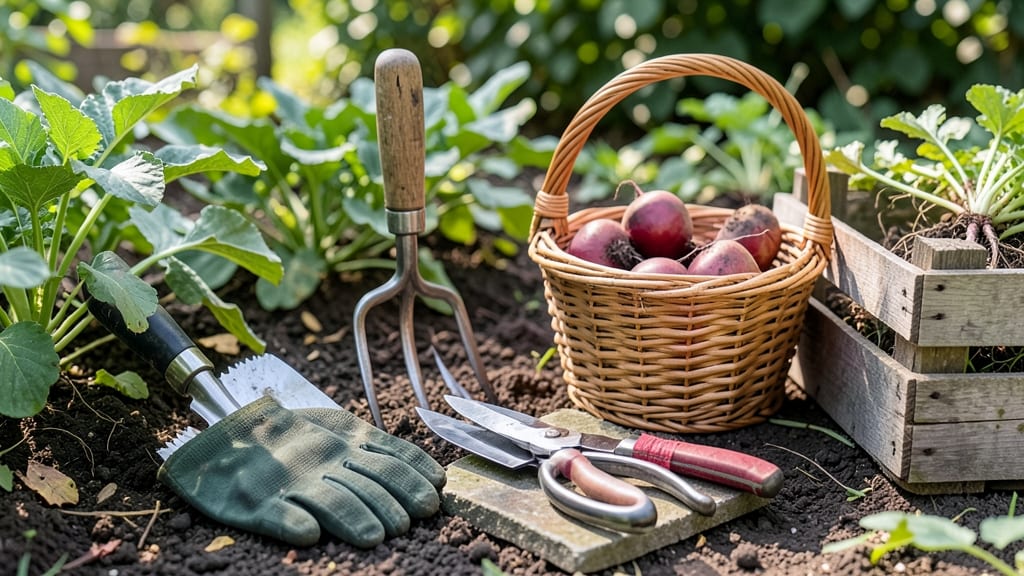
Grab your garden fork or trowel—never pull beets by the greens, as this can damage the root. Work gently in the soil around the beet, loosening the earth before lifting. For large batches, use a hand fork to avoid bruising.
Once pulled, shake off excess soil and trim the greens to 1 inch above the root—this prevents moisture loss and prolongs storage life.
Pro tip: Harvest on a cool, overcast day to reduce stress on the plant. If you’re harvesting in hot weather, do it early in the morning or late evening to keep beets crisp. Avoid harvesting during heatwaves, as the roots can become tough and lose sweetness.
After harvesting, let beets cure in the sun for 1-2 hours to harden their skins slightly. This step improves storage life and makes peeling easier later. Store them in a cool, dark place (like a root cellar or basement) until you’re ready to use or preserve them.
One common mistake? Harvesting beets when the soil is wet—this makes roots muddy and harder to clean. Always wait until the soil is dry enough to crumble before digging. With these tips, you’ll enjoy beets at their peak sweetness, every time.
Cold storage methods to extend beetroot freshness beyond winter
Storing beetroot properly can turn your summer harvest into a winter staple. The key is humidity control, temperature consistency, and minimal handling to preserve that sweet, earthy flavor.
Whether you’re using your fridge, a root cellar, or freezing, each method has its own tricks to keep beets crisp and vibrant for months.
First, trim the greens—they draw moisture from the root, speeding up spoilage. Use a sharp knife to cut them off 1 inch above the root, leaving a small stem to prevent bleeding.
For storage, leave the skin on (it’s a natural barrier against dehydration), but give beets a quick rinse and dry thoroughly before storing.
Here’s how each storage method stacks up—pick the one that fits your setup and goals:
Storage Method Comparison
- ✅ Lasts 5-6 months
- ✅ Ideal temp: 32-40°F
- ✅ Humidity: 85-90%
Best for: Large batches, long-term storage.
- ✅ Lasts 3-4 months
- ✅ Temp: 32-40°F
- ✅ Humidity: 90-95%
Best for: Small batches, convenience.
- ✅ Lasts 10-12 months
- ✅ Temp: 0°F or below
- ✅ Prep: Peel & blanch
Best for: Long-term backup, cooked dishes.
- ❌ Lasts 1-2 weeks
- ❌ Temp: Room temp (50-60°F)
- ❌ Risk: Shriveling
Best for: Immediate use, small quantities.
For root cellars, store beets in sand or sawdust—this cushions them and maintains humidity. Place them in a single layer (don’t stack) to avoid bruising. If you don’t have a cellar, a cool basement corner with a damp towel over them works in a pinch.
In the fridge, wrap beets individually in damp paper towels and tuck them into a plastic bag with holes for airflow. Check them weekly—soggy spots or mold mean it’s time to use them up.
For freezing, peel and blanch beets for 2 minutes, then shock in ice water before packing into airtight bags.
Watch for shriveling, soft spots, or foul odors—these are red flags. A slightly wrinkled skin is normal, but if the beet feels mushy when pressed, compost it to avoid spreading rot.
With the right method, your harvest can last through winter, ready to brighten soups, salads, or roasted dishes anytime.