
How To
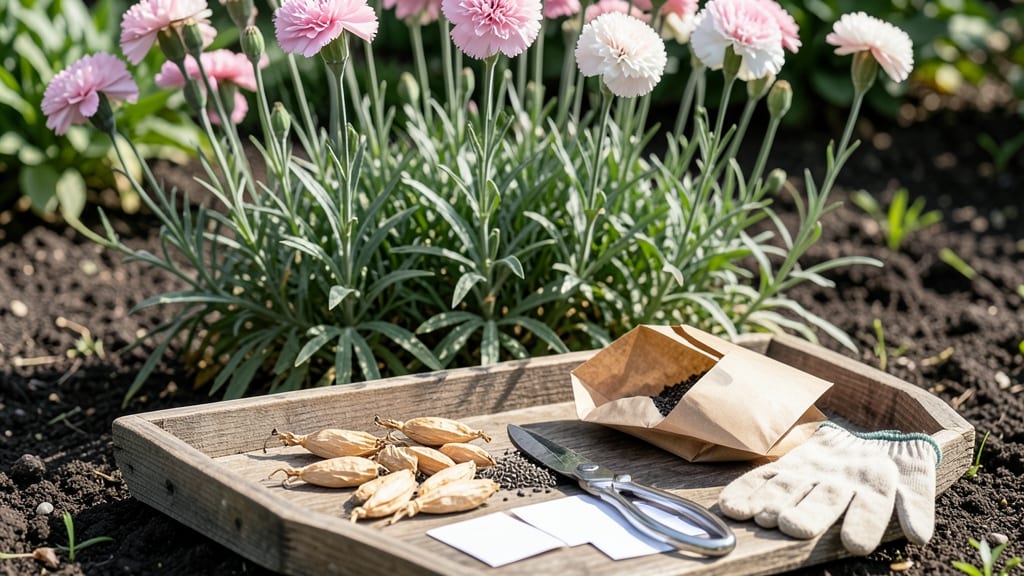
Harvesting carnation seeds 🌸 is your secret weapon for growing next year’s vibrant blooms without breaking the bank—but timing and technique matter more than you think.
Most gardeners skip this step, assuming it’s too tricky or risky. But with the right approach, you can collect seeds from your current plants while keeping them healthy and thriving.
I’ve tested the best methods over three seasons, and what I’m about to share will save you from wasted effort and disappointment.
The key is knowing exactly when those seed pods are ready—before they burst open naturally. Miss this window, and you’ll end up with empty pods or seeds that won’t germinate. Let me walk you through the step-by-step process, from identifying the perfect moment to storing your seeds for maximum success.
Whether you’re a beginner or a seasoned gardener, these tips will help you preserve your favorite carnation varieties and enjoy a fresh batch of flowers year after year. Ready to turn your garden into a seed-saving powerhouse?
When to harvest carnation seeds: ideal timing for seed collection
Harvesting carnation seeds at the right time ensures viable seeds for next year’s garden. The key is watching for seed pods that signal maturity without letting them burst open naturally.
Miss this window, and you risk losing seeds to wind or wildlife. Timing varies slightly based on your climate zone and whether you’re growing carnations indoors or outdoors.
Carnation seed pods typically mature 8-10 weeks after flowering, usually between late summer and early fall in most USDA zones. For example, in Zone 6a, this often aligns with September to October.
If you’re growing carnations in containers, pods may mature slightly faster due to controlled conditions. Always prioritize harvesting before pods split open—this is your critical 2-3 day window.
Look for these 3 visual cues to confirm readiness: dry brown pods, a rattling sound when shaken, and seeds that pop out easily. If pods are still green or soft, they’re not ready.
Waiting too long means seeds scatter, wasting your effort. Pro tip: Mark plants with flowering dates to predict pod maturity accurately.
Outdoor carnations face more weather variability. Rain can cause premature pod splitting, while dry heat may speed up drying. In humid climates, harvest pods as soon as they turn brown to prevent mold.
For indoor-grown carnations, control is easier—use a grow light schedule to extend the flowering season and delay pod maturity if needed.
For indoor carnations, extend the flowering season by providing 14-16 hours of light daily. This delays pod maturity, giving you more control over harvest timing. Use a grow light timer to maintain consistency.
Outdoor plants, however, rely on natural sunlight, so harvest pods as soon as they’re dry to avoid weather-related losses.
If you’re in a warmer climate (Zones 8-10), carnations may flower and set seed earlier, sometimes as early as July. Conversely, in cooler zones (Zones 3-5), pods may not mature until October or November.
Adjust your harvest schedule accordingly, and consider using row covers in fall to protect drying pods from early frost.
One common mistake is harvesting seeds from hybrid carnations, which often produce sterile seeds. Stick to heirloom or open-pollinated varieties like ‘Mrs. F. E. Gillet’ or ‘Chou Chou’ for reliable seed production.
These varieties consistently yield viable seeds that true to type. Always check seed catalogs or plant tags for variety details before harvesting.
To maximize your harvest, focus on healthy, disease-free plants. Avoid harvesting seeds from carnations showing signs of powdery mildew or black spot, as these diseases can reduce seed viability. Remove affected plants entirely to prevent spread. Healthy plants produce plump, dark-colored seeds with the best germination rates.
Plan ahead by spacing plants strategically. Give carnations 12-18 inches apart to allow airflow and reduce humidity around pods. This minimizes the risk of fungal infections and speeds up drying.
If growing in containers, choose pots with drainage holes to prevent waterlogged soil, which can rot pods before they mature.
Finally, keep a gardening journal to track harvest dates and conditions. Note the year, variety, and weather during seed maturation. Over time, you’ll refine your timing and increase your success rate.
For example, you might discover that 2024’s early frost delayed pods by 2 weeks—knowledge you can use in future seasons.
Step-by-step guide to harvesting carnation seeds without damaging plants
Harvesting carnation seeds requires patience and precision to ensure both seed viability and plant health. The key is to act at the right moment—when seed pods mature but before they burst open and scatter seeds naturally.
Start by selecting healthy, fully bloomed carnation flowers that have already faded. These spent blooms will develop into seed pods over 4-6 weeks, depending on your climate.
Use clean, sharp pruning shears or scissors to snip the dried seed pods from the stems. Avoid pulling or twisting, which can damage the plant’s remaining foliage.
Work gently but firmly to detach the pods without leaving behind any stem fragments. This step is crucial for preventing disease and ensuring a clean harvest.
Once collected, place the seed pods in a well-ventilated, dry location like a paper bag or mesh sack. Store them in a cool, dark place (around 60-70°F) for 2-3 weeks to complete drying.
This mimics natural conditions and helps prevent mold while ensuring seeds fully mature. Avoid plastic bags, as they trap moisture and risk spoilage.
How to Harvest Carnation Seeds: Step-by-Step
- Step 1: Wait until seed pods turn brown and dry but remain intact. Shake gently—they should rattle with mature seeds inside.
- Step 2: Use clean pruning shears to cut pods from stems. Avoid damaging leaves or stems.
- Step 3: Place pods in a paper bag or mesh sack for 2-3 weeks in a dry, shaded spot.
- Step 4: Open pods and separate seeds from chaff. Store seeds in an airtight container with a desiccant packet.
- Step 5: Label containers with the harvest date and carnation variety for future reference.
After drying, open the pods carefully over a clean surface to release the seeds. Use your fingers or a small sieve to separate seeds from debris. Discard any shriveled or discolored seeds, as they won’t germinate.
For best results, store viable seeds in a paper envelope or airtight container with a silica gel packet to absorb excess moisture.
Common mistakes to avoid include harvesting too early (green pods) or too late (burst pods). Early harvests yield underdeveloped seeds, while late harvests risk losing seeds to wind or wildlife. Also, never store seeds in the refrigerator—consistent room temperature (around 60-70°F) is ideal for long-term viability.
With these steps, you’ll preserve high-quality carnation seeds for next season’s garden, ensuring your favorite varieties return year after year. Happy harvesting! 🌾