
Picking
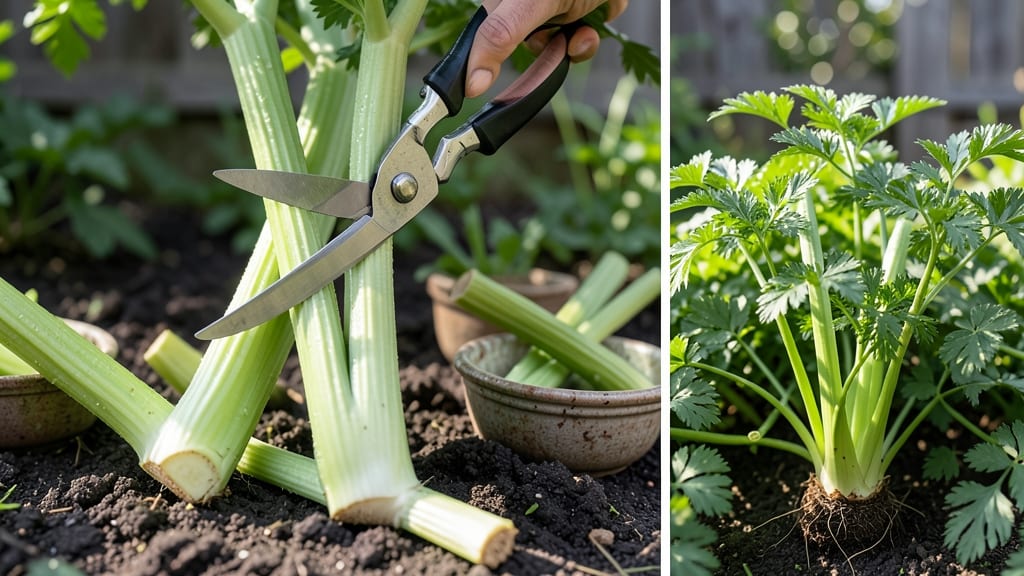
How to harvest celery so it keeps growing turns one plant into a year-round harvest machine. ✨ The secret lies in cutting—not pulling—stems to encourage regrowth, and I’ve perfected this method after years of trial and error in my own garden. Most gardeners make two critical mistakes: either pulling the whole plant or cutting too close to the base. Instead, leave 2-3 inches of stem above the soil, and the plant will send up new shoots within 3-4 weeks. Consistent watering and rich soil keep it producing through fall and even into winter in mild climates. You’ll end up with continuous harvests for months, rather than a single disappointing pull. The key is patience—each cut stimulates new growth, and with proper care, a single plant can yield three or more harvests in a season. Avoid overcrowding and fertilize lightly after each harvest. This method works best with celery varieties like 'Utah' or 'Golden Self-Blanching', which tolerate multiple cuts better than others.
📚 In This Guide
- What you need
- Instructions
- Tips and common mistakes
- Wrapping up and next steps
What you need
- ● Sharp pruning shears or garden scissors – Choose a pair with clean, sterilized blades (size 6–8 inches) to avoid damaging the plant.
- ○ Gloves (optional but recommended) – Lightweight gardening gloves to protect your hands from sap or dirt.
- ● Watering can or hose with a gentle spray nozzle – For post-harvest hydration (aim for 1–2 gallons per plant after cutting).
- ○ Balanced fertilizer (optional but helpful) – A low-nitrogen, high-potassium option (like 5-10-10) to encourage regrowth. ½ teaspoon per plant is plenty!
- ● Sunlight & patience – Your celery needs at least 6 hours of sunlight daily to bounce back strong.
- ● Compost or mulch – Spread a 1-inch layer around the base to retain moisture and deter weeds.
- ● Plant support (stakes or cages) – If your celery is tall or floppy, a lightweight trellis can keep it upright post-harvest.
- ● pH test kit – Ensure your soil is slightly alkaline (6.5–7.0) for optimal regrowth.
- ● Label markers – If you’re experimenting with multiple harvests, tag your plants to track progress!
Step-by-step instructions for continuous celery harvesting
Here's the exact method I use to keep my celery thriving and producing fresh stalks for months.
🌱 Step 1: Identify the Right Stalks to Harvest
Wait until your celery plants reach at least 12 inches tall with 3-4 mature stalks per plant. You'll know they're ready when the stalks feel firm to the touch and the leaves show vibrant green color—not pale or yellowing. I always harvest from the outer stalks first to protect the center growth.
Look for stalks that are ½ inch thick or larger. These are fully developed and won't stunt the plant's growth. Thin stalks (less than ¼ inch) can be harvested, but they'll leave the plant looking ragged. Use a sharp knife or clean scissors to make your cuts—never pull stalks by hand, as this damages the roots.
✂️ Step 2: Make Clean, Precise Cuts for Regrowth
Cut the stalks at a 45-degree angle, about 1 inch above the base where the stalk meets the plant. This angle prevents water from pooling on the cut and causing rot. I like to make the cut just outside the leaf collar—the little ring of tissue where the leaf meets the stalk.
Remove only 1-2 stalks per plant at a time. Harvesting too many at once stresses the plant and slows regrowth. After cutting, rinse the stalks under cool water to remove any dirt or debris. Store them in a sealed container in the fridge for up to 1 week while the plant recovers and produces new growth.
💧 Step 3: Fertilize and Water for Rapid Regrowth
After harvesting, give your celery a boost with a balanced liquid fertilizer (like 10-10-10) diluted to half strength. Water the soil deeply until it's moist 6 inches down. Celery is a heavy feeder, so it needs extra nutrients to bounce back quickly. I use a watering can with a gentle spray to avoid disturbing the roots.
Keep the soil consistently moist but not soggy for the next 7-10 days. You'll see new shoots emerging from the center of the plant within 5-7 days. If the soil dries out, the plant will focus on surviving rather than producing new stalks. Mulch around the base with 1 inch of straw to retain moisture and protect the roots.
☀️ Step 4: Monitor Light and Space for Continuous Production
Celery thrives in full sun (6-8 hours daily), but it can tolerate partial shade if the temperatures stay mild. If your plant starts looking leggy or the leaves turn pale, it needs more light. Move it to a sunnier spot or supplement with a grow light for 12-14 hours per day.
Watch for new stalks forming at the base of the plant. These will be smaller at first but will thicken as they grow. Once they reach 6-8 inches tall, you can start harvesting them again. Space your plants 12-18 inches apart to give them room to grow without competing for nutrients. Overcrowding leads to weak, spindly stalks.
⏰ Step 5: Time Your Harvests for Peak Flavor and Yield
Harvest every 4-6 weeks during the growing season to keep your celery producing. The key is consistency—don't let the plant go too long between harvests, or the stalks will become tough and fibrous. I harvest in the morning when the stalks are crispest and most flavorful.
In cooler climates, celery can keep producing until the first hard frost. If you're growing in a warmer zone, it may slow down in the heat but will pick up again in fall. Always leave at least 3 stalks per plant to ensure the plant can recover and continue growing. With this method, you'll have fresh celery for 6-8 months from a single planting!
Tips & tricks for continuous celery harvesting
Here's what nobody tells you about keeping celery productive for months—these tricks make all the difference.
Stalk Selection Strategy: The 12-inch height and ½-inch thickness guidelines are non-negotiable for regrowth. I've learned the hard way that harvesting thinner stalks (less than ¼ inch) weakens the plant's center. Always prioritize the outer stalks—they're the plant's "sacrificial lambs" that allow the inner stalks to mature without stress. Think of it like pruning a tree: you remove the less critical branches to strengthen the core.
Cutting Technique Matters: That 45-degree angle isn't just for looks—it's a water management system. The beveled cut prevents water from pooling on the stalk, which would otherwise cause rot. I mark my cutting line with a pencil first to ensure consistency. And here's a pro move: use a sharp knife or clean scissors—dull blades crush the plant tissue, inviting disease. Sterilize your tools with rubbing alcohol between cuts for extra protection.
Post-Harvest Recovery Boost: The 7-10 day recovery window is your plant's critical healing phase. During this time, focus on two things: consistent moisture (6 inches deep) and nutrient replenishment. I've found that a foliar spray of diluted fish emulsion (1 tsp per gallon) during this period gives an extra growth kick. The mulch isn't just decorative—it's a moisture retention shield that prevents the soil from drying out too quickly.
Light Optimization Secret: Celery's light requirements are often misunderstood. While 6-8 hours of direct sun is ideal, the 12-14 hours of supplemental light comes into play when natural light is insufficient. I use LED grow lights on a timer during fall/winter months, positioned 6-12 inches above the plants. The key is to match the light spectrum to what celery would get naturally—blue light for foliage growth, red for flowering (which we want to delay).
Pro Tips for Harvest Celery So It Keeps Growing
- Here's what nobody tells you about keeping celery productive for months—these tricks make all the difference.
- Stalk Selection Strategy: The 12-inch height and ½-inch thickness guidelines are non-negotiable for regrowth. I've le...
- Cutting Technique Matters: That 45-degree angle isn't just for looks—it's a water management system. The beveled cut ...
Frequently asked questions
Got questions about harvesting celery without stunting its growth?
Here are answers to the most common ones—so you can keep your garden productive all season long!
Can I harvest celery leaves too, or should I just cut the stalks?
Harvest both stalks and leaves—just avoid taking more than one-third of the plant’s foliage at once. Leaves are packed with flavor and nutrients, but balance is key. Snip outer leaves (about 3–4 inches long) to encourage new growth while leaving the inner core intact.
How often can I harvest celery using the snip-and-grow method?
For continuous yields, harvest every 2–3 weeks—but never cut more than half the stalks at once. Celery is resilient, but over-harvesting stresses the plant. If you’re growing it in containers, reduce frequency slightly (every 3–4 weeks) since space is limited.
What’s the best time of day to harvest celery for the freshest taste?
Mornings are ideal! Harvest in the early morning (before 9 AM) when celery is crispest and most hydrated. Avoid harvesting after a heavy rain or late in the day, as stalks may wilt faster due to heat stress. Pro tip: Use sharp scissors or a knife to make clean cuts—this prevents damage that could invite pests.
What if my celery stops regrowing after a few harvests? How do I fix it?
If your celery slows down, it’s likely nutrient-deficient or overcrowded. Try these fixes:
- Fertilize: Use a balanced liquid fertilizer (10-10-10) every 4–6 weeks.
- Thin plants: Space them 12–18 inches apart for better airflow.
- Water deeply: Keep soil consistently moist (1–1.5 inches per week).
- Prune leaves: Trim yellow or damaged leaves to redirect energy.
Can I use the snip-and-grow method for celery grown in containers or indoors?
Yes! Container-grown celery thrives with the snip-and-grow method, but with adjustments:
- Use larger pots (at least 12 inches deep) for root stability.
- Harvest less frequently (every 3–4 weeks) since space is limited.
- Add compost to replenish nutrients faster.
- Avoid overcrowding—stick to 1–2 plants per container.
Wrapping up and next steps
Harvesting celery the snip-and-grow way isn’t just clever—it’s your ticket to a never-ending supply of fresh, crunchy stalks! By cutting just the outer stems and leaving the heart intact, you’re giving your plant the perfect chance to bounce back stronger.
With a little patience and care, you’ll enjoy continuous harvests all season long—no replanting required! 🌱
Ready to put your new skills to the test? Grab your shears and head to the garden—your next batch of celery is waiting! For extra tips, check out our FAQs or experiment with preserving your harvest to enjoy it year-round.