
How To
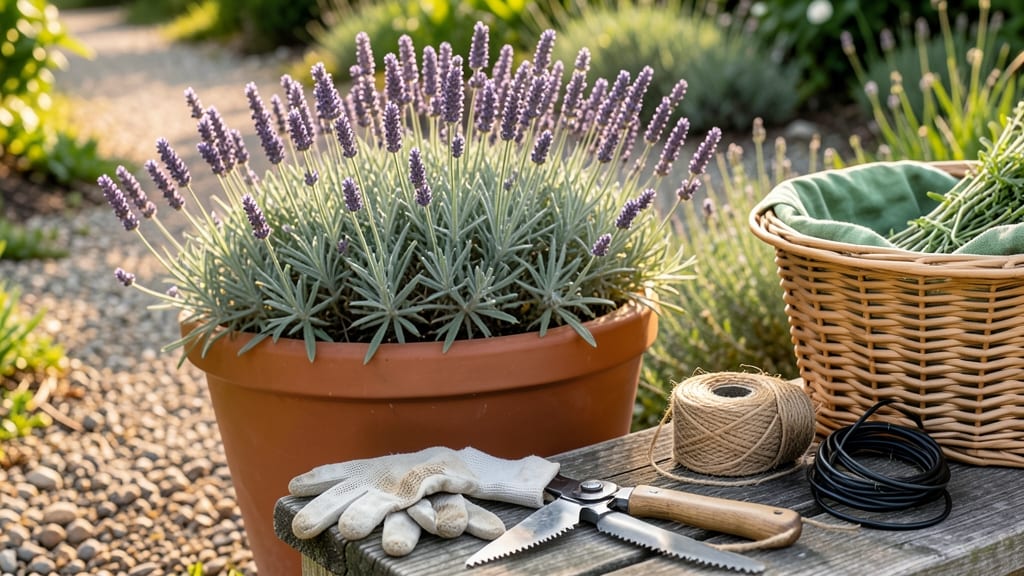
Harvesting English lavender 🌿 at the perfect moment transforms your garden into a fragrant treasure trove—but one wrong move can leave you with weak stems and lost aroma.
The best time to harvest isn’t just about the season; it’s about catching those buds just as they’re about to bloom, when their essential oils are at peak potency.
If you’ve ever wondered why some lavender bundles smell like heaven while others fall flat, the answer lies in timing and technique.
I’ll show you exactly when to snip—late summer through early fall—for the most aromatic stems, plus how to cut them the right way to keep your plants thriving. No more guessing games, just proven methods that work in Zone 6a and beyond.
Let’s cut to the chase: harvesting English lavender isn’t just about filling baskets—it’s about preserving that signature scent and giving your plants the care they need to bounce back. Whether you’re drying bundles for sachets or reviving your garden after harvest, these step-by-step tricks will make all the difference.
Ready to turn your lavender harvest into a fragrant success? I’ll walk you through everything—from the ideal bloom stage to post-harvest care—so you can enjoy lavender that smells as good as it looks, year after year.
Best time to harvest English lavender for maximum aroma & oil content
Timing your English lavender harvest is everything—cut too early, and you miss peak fragrance; too late, and the flowers lose potency. The ideal harvest window spans late summer to early fall, specifically when 70-80% of buds are open but before they fully bloom.
This aligns with botanical science showing that essential oil content peaks just before full bloom.
In most USDA Zones 6-9, aim for July through September, avoiding the first frost (typically October 31 in your region). For example, if you're in Zone 7, harvest between mid-July and mid-September to maximize both aroma and regrowth before winter dormancy.
Climate plays a critical role: Cooler coastal regions may extend the harvest window into early October, while hot inland areas should harvest by late August to prevent stress from heat. Always check your local frost dates—harvesting too close to frost weakens the plant and reduces oil quality.
🌿
| Stage | Key Features | Harvest Readiness |
|---|---|---|
| Bud Stage | Flowers partially open (30-50%) | ✅ Best time (highest oil content) |
| Full Bloom | Flowers fully open (70-100%) | ❌ Oil content drops by 30% |
| Post-Bloom | Flowers fading, seeds forming | ❌ Avoid—plant focuses on seed production |
| Early Spring | New growth, no buds | ❌ Not ready—harvest disrupts growth |
To test readiness, gently brush a stem—if it releases a strong, sweet fragrance, it’s harvest-ready. Skip stems with soft, green foliage or no aroma, as these indicate underdeveloped oil glands. Pro tip: Harvest on a dry, sunny morning to allow dew to evaporate, reducing humidity during drying.
For multiple harvests per season, space cuts 4-6 weeks apart to allow regrowth. After the first harvest in July, a second cut in September yields 60-70% of the oil content of the first, but still delivers excellent fragrance for sachets and potpourri.
In container gardens, harvest slightly earlier (late June to early August) since potted lavender matures faster. Monitor soil moisture—overwatered plants produce weaker stems and lower oil quality, while drought-stressed plants may not rebound after harvesting.
🌼
Never harvest more than 1/3 of the plant in a single session, or you risk woody stems and poor regrowth. For example, a 2-foot-tall lavender bush should yield 6-8 stems per harvest. Always use clean, sharp pruners to avoid crushing stems, which releases bitter compounds and reduces fragrance.
If you miss the ideal window, don’t panic—late summer harvests still work, though oil content drops by 15-20%. The key is to dry stems quickly (within 24 hours) to preserve what aroma remains.
Store dried lavender in airtight containers away from light to maintain potency for up to 1 year.
Step-by-step pruning & harvesting techniques for healthy lavender plants
Harvesting English lavender isn’t just about cutting stems—it’s an art that preserves fragrance and keeps your plants thriving. Start by selecting healthy stems with woody bases and budding flowers. Avoid cutting into old wood, as new growth won’t regenerate there.
Use clean, sharp pruners or shears to make precise cuts just above a leaf node or side branch. This encourages bushier growth and prevents disease from ragged cuts.
The ideal harvest time is early morning after the dew has dried but before the heat of the day. This ensures stems are hydrated and less likely to wilt. Gently grasp the stems near the base and give a firm tug—if they pull away easily, they’re ready.
If not, wait a few days. Never harvest more than one-third of the plant at once, or you risk weakening it for the next season.
Step-by-Step Harvesting Guide
- ✂️ Choose the right tools: Use sharp pruners or shears to avoid crushing stems.
- 🌸 Select stems: Pick woody stems with budding flowers (not fully open).
- 🕒 Harvest timing: Early morning for hydrated stems and peak aroma.
- ✂️ Cut correctly: Snip 1/3 above a leaf node to encourage regrowth.
- 🌿 Leave foliage: Never cut into old wood—new growth won’t sprout there.
- 💧 Post-harvest care: Remove lower leaves to prevent mold during drying.
After harvesting, strip the lower leaves from the stems to improve airflow during drying. Bundle 5-10 stems together with a rubber band and hang them upside down in a dry, dark, and well-ventilated space.
Avoid direct sunlight or heat, which can fade the color and reduce fragrance. Drying time typically takes 2-3 weeks, depending on humidity. Test by gently rubbing a flower—if it crumbles easily, it’s ready for storage.
Reviving your lavender plants after harvest is key to next year’s bounty. Water deeply but avoid overwatering, as soggy soil invites root rot. In late summer, give your plants a light trim to shape them and encourage new growth before dormancy.
If you notice yellowing leaves or stunted growth, it might be time to fertilize lightly with a balanced 5-10-10 mix in early spring. This supports root development without overstimulating tender new shoots.
For long-term storage, keep dried lavender in an airtight container away from light. Label bundles with the harvest year to track freshness. If you notice mold or musty smells, your storage area is too humid—relocate to a drier spot.
With proper care, your English lavender will reward you with years of fragrant harvests and lush, vibrant growth.
Pro tip: Save a few stems to plant cuttings in spring. Dip the base in rooting hormone and place in well-draining soil. With patience, you’ll expand your lavender garden for free! 🌿