
How To
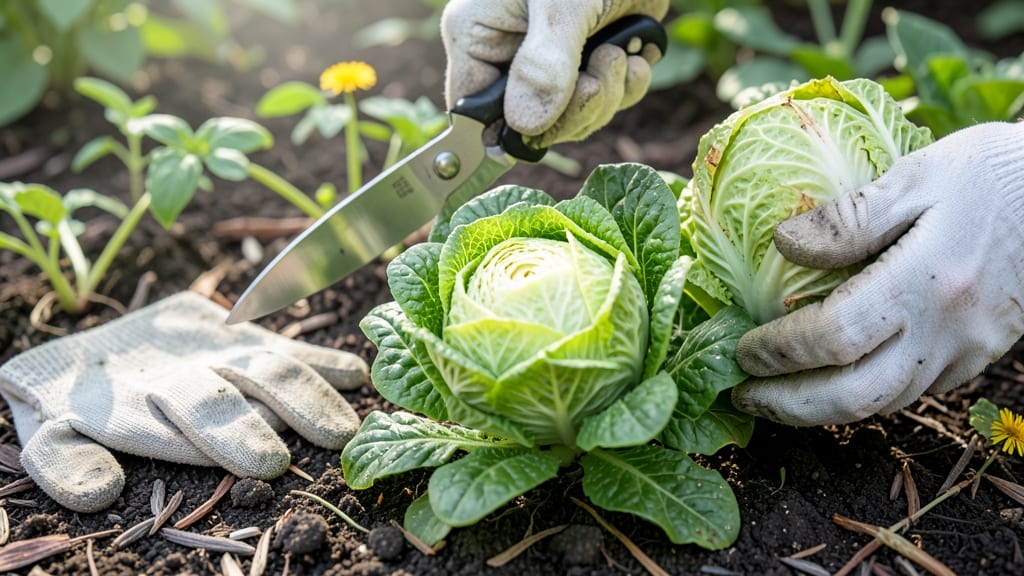
Harvesting iceberg lettuce so it keeps growing could transform your garden from a one-time harvest to a steady supply of crisp, fresh 🥬 all season long.
Imagine cutting back your plants every few weeks and still enjoying plump, ready-to-eat leaves without replanting—it’s simpler than you think, and the right technique makes all the difference.
The key lies in mastering the cut-and-come-again method, a proven strategy that encourages regrowth while keeping your lettuce healthy and productive. Whether you’re a beginner or a seasoned gardener, this approach saves space, reduces costs, and ensures you never run out of homegrown greens again.
Let’s break down exactly how to do it right.
Timing is everything—harvesting at the wrong moment can stunt your plant’s ability to bounce back. You’ll learn when to make your first cuts, how to wield your shears for maximum regrowth, and what to watch for to avoid common pitfalls.
With just a few adjustments to your technique, you’ll be on your way to a thriving iceberg lettuce patch that keeps giving.
Beyond the cutting, we’ll cover the critical aftercare your lettuce needs to thrive after each harvest. From soil nutrition to watering schedules, these small tweaks ensure your plants stay vigorous and ready for your next harvest. Ready to turn your garden into a lettuce powerhouse? Let’s get started.
The cut-and-come-again method: step-by-step harvesting for continuous growth
Iceberg lettuce thrives with the cut-and-come-again method, where you harvest outer leaves instead of the whole head. This technique lets your plant regrow, giving you multiple harvests per season instead of just one. The key is precision—cutting correctly and timing harvests right to avoid stressing the plant.
Before harvesting, ensure your lettuce is mature with firm, crisp leaves and a compact head. A fully grown iceberg lettuce typically reaches 60 days to maturity, but you can start harvesting outer leaves as early as 45 days for baby greens.
Wait until the head is at least 4-6 inches wide for best regrowth.
Gather your tools: a sharp knife or pruning shears, clean gloves, and a bowl to collect your harvest. Sterilize your tools with rubbing alcohol to prevent disease transfer between cuts. Work in the early morning when plants are hydrated and temperatures are cooler.
Now for the technique: cut outer leaves at a 45-degree angle, leaving the inner core intact. Aim to remove no more than 1/3 of the plant at once.
This preserves the plant’s energy for regrowth while giving you fresh greens. Avoid cutting into the inner heart leaves—they’re critical for future growth.
Step-by-Step Harvesting Guide
- Step 1: Select the outermost mature leaves (4-6 inches long).
- Step 2: Hold the leaf firmly and cut 1 inch above the base at a 45° angle.
- Step 3: Leave 2-3 inner leaves untouched to protect the growing point.
- Step 4: Harvest every 7-10 days to encourage continuous regrowth.
- Step 5: After 3-4 harvests, let the plant rest for 2 weeks before resuming.
After harvesting, rinse leaves in cool water to remove dirt and debris. Pat them dry with a clean towel or paper towels to prevent rot. Store harvested leaves in the crispest drawer of your fridge, wrapped in a damp paper towel, for up to 10 days.
This keeps them fresh while you wait for your next harvest.
Post-harvest care is crucial for regrowth. Water the plant deeply within 24 hours to replenish moisture lost during cutting. Use a gentle stream to avoid dislodging soil or damaging new growth. In hot climates, provide light shade cloth to prevent bolting (flowering), which ruins the tender leaves.
Fertilize lightly with a high-nitrogen fertilizer (like 5-10-10) 3-4 days after harvesting. Apply it in the early morning to avoid leaf burn. Stick to 1 tbsp per 10 sq ft—over-fertilizing can cause bitter taste or bolting.
Monitor soil moisture; lettuce roots are shallow and need consistent moisture but hate soggy conditions.
Watch for signs of stress like yellowing leaves or wilting. These could indicate over-harvesting or poor aftercare. If you see loose leaves or exposed stems, your plant needs a break.
Pause harvesting for 2-3 weeks to let it recover. With proper care, a single iceberg lettuce plant can produce 3-5 harvests per season!
Timing your harvests right is an art. In spring or fall, aim for weekly harvests every 7-10 days. During summer heat, space harvests to every 10-14 days to reduce stress. Always harvest in the morning when leaves are crisp and hydrated for the best texture and flavor.
The cut-and-come-again method: step-by-step harvesting for continuous growth
Iceberg lettuce thrives with the cut-and-come-again method, allowing you to harvest outer leaves while the inner plant keeps growing. This technique extends your harvest window by 4-6 weeks per plant and maximizes space in your garden. The key is patience and precision—cutting too much or too low will stunt regrowth.
Start harvesting when your iceberg lettuce heads reach 4-6 inches wide and leaves are firm. Use a sharp knife or pruning shears to avoid crushing stems. Always cut just above the bottom leaves (about 1 inch from the base) to leave the growing point intact.
Here’s how to do it right every time:
Timing your harvests correctly is crucial. Avoid cutting during hot afternoons (12 PM - 4 PM) when plants are stressed. Early morning harvests (before 9 AM) yield the crispest leaves and reduce wilting.
If your lettuce bolts (sends up a flower stalk), it’s past its prime for regrowth—harvest the entire head immediately.
Pro tip: Mulch around your lettuce plants with straw or grass clippings to retain moisture and regulate soil temperature. This helps the plant recover faster between harvests and reduces stress. With proper care, you’ll enjoy 3-4 harvests per season from a single plant!
🌱