
How To
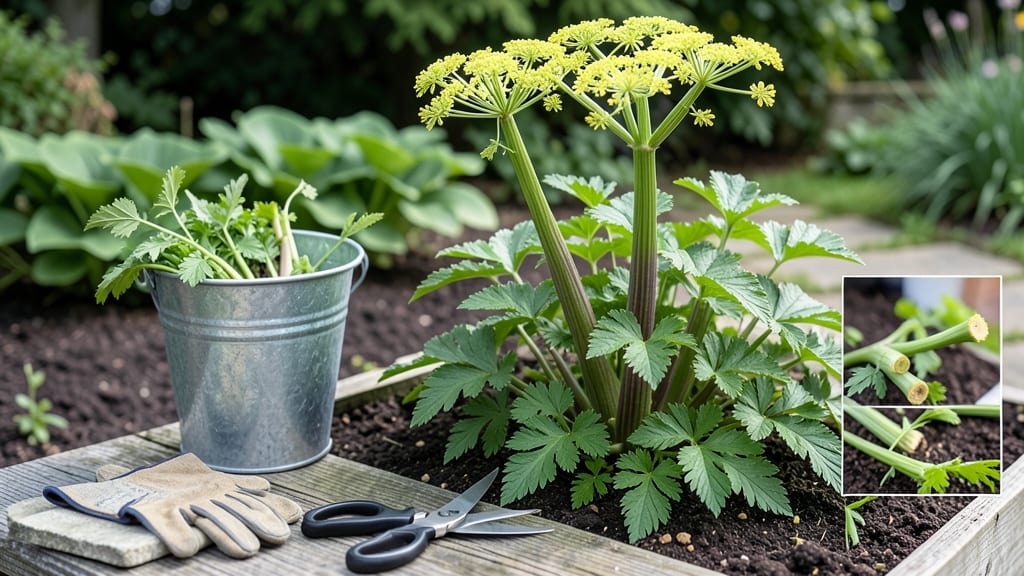
If you’ve ever wondered how to harvest lovage without sacrificing next year’s crop, you’re in the right place. This hardy perennial 🌿 packs bold flavor into its leaves, stems, and roots—but timing and technique make all the difference.
Harvest too early, and you’ll miss peak taste; wait too long, and regrowth suffers. The key lies in knowing exactly when to cut and how to encourage continuous growth.
Lovage thrives in zones like 6a, and its second-year plants are the real goldmines for harvests. Late summer to early fall is prime time, but there’s more to it than just the calendar.
I’ll show you how to spot the perfect signs—like thick stems and aromatic leaves—and use the right tools to make clean cuts that keep your plant healthy.
What’s even better? You don’t have to choose between flavor and future harvests. With the right methods, you can snip leaves and stems all season long while still enjoying a robust plant for years.
Plus, I’ll share my favorite tricks for storing your harvest so you can savor lovage’s earthy taste long after the growing season ends.
Ready to unlock a never-ending supply of this versatile herb? Let’s dive into the step-by-step guide that’ll have you harvesting like a pro in no time.
Best time to harvest lovage for maximum flavor and regrowth
Harvesting lovage at the right time ensures bold flavors and healthy regrowth. Unlike annual herbs, lovage thrives as a perennial, rewarding patience with larger yields each year.
The best harvest window starts in late summer (around August) and continues through early fall, but timing varies by plant part.
For leaves, aim for harvests when they reach 12-18 inches in length—this usually happens in year two after planting.
Younger plants focus energy on growth, so light trimming is safest. Stems, on the other hand, should be thick and woody before cutting, typically by mid-summer of the second year.
Roots are best harvested in early fall (September-October) when the plant is fully mature (3+ years old). Their earthy, celery-like flavor peaks after the first frost, making them ideal for winter storage. Wait too long, and the roots become woody and bitter.
Watch for these harvest readiness cues: large, deep green leaves with a strong celery-anise aroma, stems that feel firm to the touch, and flower stalks (if present). Harvesting before flowering preserves flavor intensity and encourages bushier regrowth.
🌿
| Plant Part | Best Harvest Time | Size/Stage | Flavor Peak |
|---|---|---|---|
| Leaves | Late summer to early fall (Year 2+) | 12-18" long, deep green | Before flowering |
| Stems | Mid-summer (Year 2+) | Thick, woody, 3-4 ft tall | After flowering |
| Roots | Early fall (Year 3+) | Firm, 1-2" diameter | After first frost |
| Seeds | Late fall (Year 3+) | Brown, dry seed heads | For propagation |
Avoid harvesting young plants (under 1 year old), as their energy goes toward establishing roots. In Zone 6a, where lovage thrives, September is the sweet spot—cooler temps slow regrowth, letting you harvest without stressing the plant.
If you miss this window, early spring (before new growth) offers a second chance for light trimming.
For continuous harvests, space cuts 4-6 weeks apart during the growing season. This mimics natural pruning and encourages denser foliage. Just avoid taking more than 1/3 of the plant in a single session to prevent shock or dieback.
🌳
Pro tip: Morning harvests yield the most tender leaves and highest essential oil content. Use clean, sharp pruners to make cuts just above a leaf node, which encourages new shoots to sprout from that point. This precise technique keeps your lovage productive for decades.
If your lovage bolts prematurely (sends up flower stalks early), it’s a sign of stress—likely from overcrowding or nutrient deficiency. In this case, harvest the entire plant before seeding to redirect energy into root and stem growth for next year.
Step-by-step guide to harvesting lovage without killing the plant
Harvesting lovage correctly ensures your plant stays healthy and productive for years. Start by selecting the right tools—a sharp pair of pruning shears or a clean knife prevents damage.
Always cut just above a leaf node (the point where leaves meet the stem) to encourage new growth. This simple technique promotes bushier foliage and prevents woody stems.
For leaf harvests, focus on the outer leaves first. These are fully mature while leaving younger, tender leaves to continue growing. Never take more than one-third of the plant at once, or you risk stunting regrowth. Lovage is resilient, but even hardy perennials need balance to thrive.
🌿 Step-by-Step Harvesting Guide
- 1. Choose the right time: Harvest in morning hours when leaves are crisp and flavorful.
- 2. Use clean tools: Sterilize shears with rubbing alcohol to prevent disease spread.
- 3. Cut at 45° angle: Above a leaf node to stimulate new shoots.
- 4. Leave center leaves: Preserve the plant’s growth engine for future harvests.
- 5. Space harvests: Wait 4-6 weeks between cuts for optimal regrowth.
When harvesting stems, target the thickest, most mature ones first. Cut stems at the base using a sharp knife to avoid tearing. If you’re harvesting for culinary use, younger stems (1-2 years old) have the best flavor.
Older stems become woody and are better suited for stocks or teas.
For root harvests, wait until the plant is 3+ years old and dig carefully with a fork in early spring or fall. Shake off excess soil and store the roots in a cool, dark place.
Unlike leaves, roots can be harvested once every 3-4 years without harming the plant.
After harvesting, always water deeply to help the plant recover. Add a balanced fertilizer (10-10-10) to support regrowth, especially if you’ve taken a significant portion of the plant. Lovage thrives on consistency—regular care keeps it producing lush foliage season after season.
Finally, avoid harvesting during flowering season unless you’re saving seeds. The plant’s energy shifts to seed production, weakening foliage growth. Prune spent flowers to redirect energy back into leafy regrowth for a continuous harvest.