
How To
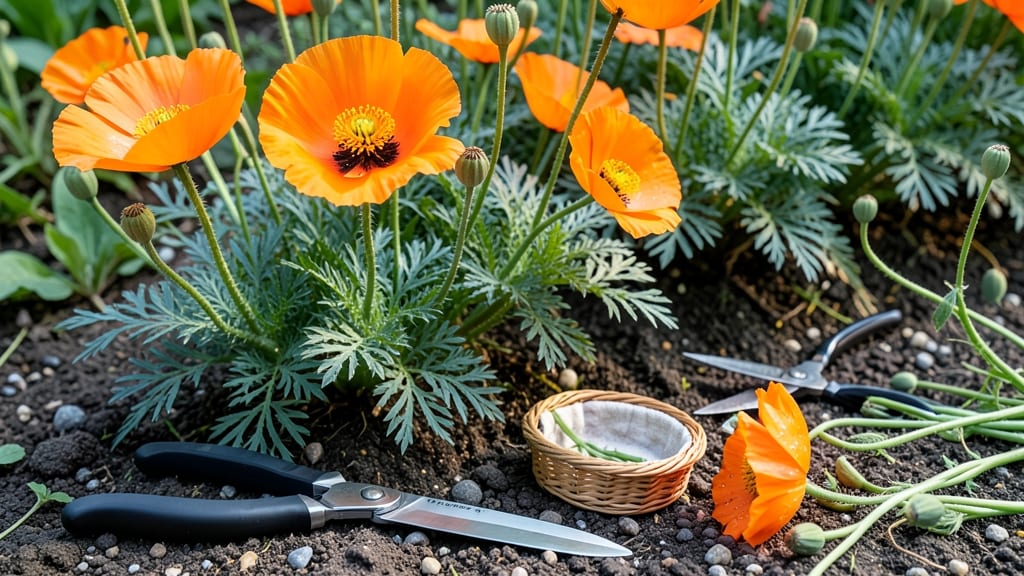
If you’ve ever watched how to harvest poppies and seen their fleeting beauty bloom and fade within days, you know their charm is short-lived—but that doesn’t mean you have to miss out on both stunning flowers and viable seeds.
The key to a successful harvest lies in timing: cut too soon, and your bouquets wilt fast; wait too long, and those precious seeds scatter before you can collect them.
Whether you’re growing poppies in USDA Zone 6a or elsewhere, knowing the exact moment to harvest makes all the difference. Should you snip flowers at peak bloom for vases or wait for seed pods to dry?
And how do you handle delicate petals without crushing them? I’ll walk you through the step-by-step process, so you never miss another harvest window again.
From identifying the perfect bloom stage to preserving seeds for next year’s garden, this guide covers everything you need. You’ll learn how climate—whether dry or rainy—affects your harvest, plus the tools and techniques to maximize your yield.
Let’s make sure your poppies don’t just shine for a day, but for seasons to come.
Ready to turn those June-August blooms into lasting beauty? Grab your shears and let’s get started—your garden’s next masterpiece is just a harvest away.
When to harvest poppy flowers for vases: optimal blooming stages
Harvesting poppy flowers at the right stage ensures your bouquets last longer and look their best. Unlike many flowers, poppies have a short vase life, so precision matters.
The ideal harvest time is when buds are fully open but haven’t begun wilting—typically mid-morning after dew has dried but before the heat of the day sets in.
Poppies open their petals in stages, and cutting them too early (when buds are still closed) or too late (when petals brown) drastically shortens their vase life. Aim for vibrant, fully unfurled petals with no signs of drooping.
This usually happens 3–5 days after the bud first opens, depending on your climate and poppy variety.
Morning is the best time to harvest because stems are fully hydrated, reducing the risk of wilting. Avoid harvesting in the evening or after rain, as excess moisture can cause stems to weaken or flowers to close prematurely in the vase.
If you must harvest later in the day, place cut flowers in a bucket of water immediately to rehydrate them.
Regional climate plays a role too. In hot, dry regions (like the Southwest U.S.), poppies may open faster and wilt quicker, so harvest earlier in the day. In cooler climates (like the Pacific Northwest), buds may take longer to open, giving you a slightly wider window for cutting.
For longer vase life, trim stems at a 45-degree angle just above a leaf node and place them in lukewarm water with a commercial flower food (or a pinch of sugar and bleach for DIY).
Change the water every 2 days and trim stems every 3–4 days to encourage uptake.
If you’re harvesting poppies for long-stem arrangements, prioritize varieties like California poppies or Iceland poppies, which have stronger stems and hold up better in bouquets. For shorter varieties (like dwarf corn poppies), focus on cluster arrangements where stem strength is less critical.
Pro tip: Harvest every 2–3 days during peak bloom to encourage continuous flowering. Poppies are annuals, so the more you harvest, the more blooms you’ll get—until the plant naturally declines in late summer.
Save some flowers to dry for winter arrangements or let seed pods form for next year’s garden.
Finally, avoid harvesting in high heat (after 10 AM), as stems can become woody and brittle, making them prone to breaking. If you must harvest later, store cut flowers in the fridge overnight before arranging to slow wilting.
How to collect poppy seed pods: step-by-step seed harvesting guide
Harvesting poppy seed pods at the right time is an art—wait too long, and the pods split open, scattering seeds everywhere. The ideal window is when the petals have fallen but the seed pods remain dry and intact.
For most poppy varieties, this happens 4-6 weeks after flowering, typically in late summer to early fall. Watch for pods to turn from green to a papery brown color—this is your cue to act.
Before you begin, gather your tools: pruning shears, a paper bag or envelope for seed collection, and a damp cloth to wipe off any debris. Work on a dry, sunny day to prevent moisture from causing mold.
If you’re harvesting opium poppies, wear gloves and follow local regulations, as these varieties are restricted in many areas.
Step-by-Step Seed Harvesting Guide
- Step 1: Gently twist the seed pod from the stem using your fingers or pruning shears. Avoid pulling—this can damage the pod.
- Step 2: Place the pod in a paper bag immediately to catch any seeds that may fall out during transport.
- Step 3: Let pods dry indoors for 1-2 weeks in a well-ventilated area away from direct sunlight.
- Step 4: Once fully dry, crush the pods gently with your hands or a rolling pin to release seeds.
- Step 5: Store seeds in a cool, dark place in an airtight container for up to 3 years.
If you miss the window and pods start splitting, don’t panic. Place a paper bag under the plant to catch fallen seeds. Poppies are prolific seed producers, so even a few scattered seeds can grow into new plants.
For California poppies, which have hairy seed pods, use tweezers to pluck seeds directly from the pod for precision.
Pro tip: Label your seed packets with the variety name and harvest date to track maturity and viability. If you’re growing poppies for ornamental use, you can also harvest pods when they’re half-dry for unique dried flower arrangements. Just ensure they’re completely dry before storing to prevent mold.
One common mistake is harvesting pods when they’re still slightly green. These seeds won’t germinate well. Always wait until pods are completely brown and crisp to ensure high germination rates. Store seeds in a paper envelope rather than plastic to prevent moisture buildup, which can lead to rot.
For gardeners in humid climates, speed up the drying process by placing pods in a low-heat oven (140°F/60°C) for 1-2 hours. Monitor closely to avoid overheating. Once seeds are dry, they’re ready for next year’s planting—just sow them directly in the garden after the last frost.