
Picking
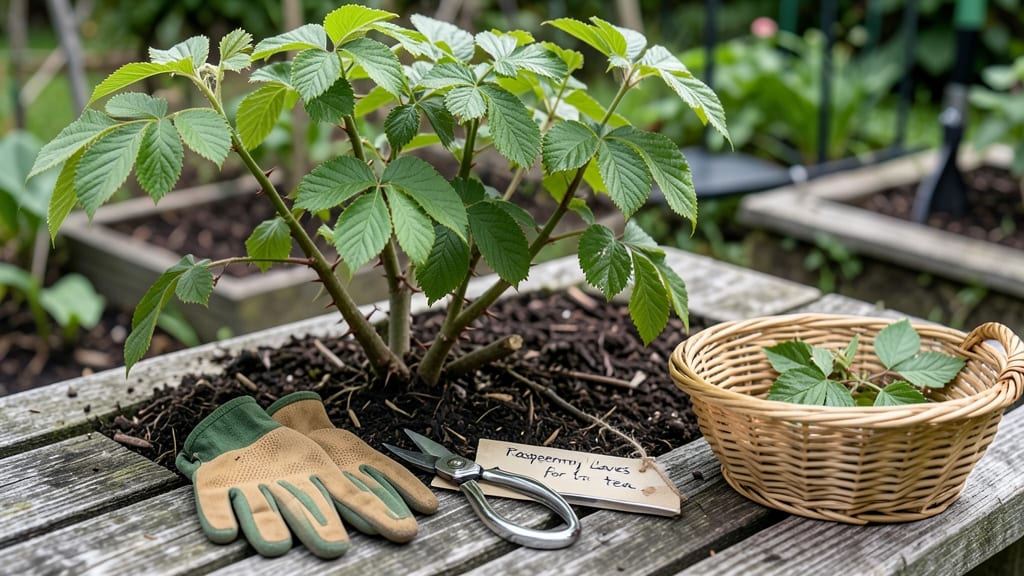
Spring’s raspberry leaves are nature’s secret tea stash. 🌿 I’ve been harvesting mine since early May, and the key is timing—you want tender, bright green leaves just before the plant flowers. These young leaves pack the most delicate flavor, while older ones turn bitter and tough.
The best leaves grow on the tips of new canes, about 3-4 inches long. Avoid leaves with spots or signs of pests, and never take more than one-third of a plant’s foliage at once to keep it healthy.
I use clean scissors to snip just above a leaf node, which encourages bushier growth. Once harvested, spread the leaves on a tray in a shady, well-ventilated spot for 3-5 days until crisp.
Store them in airtight jars away from light—your stash will stay fresh for months, ready to steep into a refreshing, earthy tea. This method works for both wild and cultivated raspberries, and it turns pruning into a double harvest.
Just skip the leaves if your plants were sprayed with pesticides—safety first!
📚 In This Guide
- What you need
- Instructions
- Tips and common mistakes
- Wrapping up and next steps
What you need
- ● Fresh raspberry leaves: Harvest young, tender leaves (preferably from organic plants, free of pesticides). Aim for 1–2 cups (about 30–60g) per batch of tea.
- ● Best time to pick: Early morning when essential oils are most potent.
- ● Clean, sharp scissors or pruning shears: A pair designed for gardening (avoid dull tools to prevent damaging leaves).
- ● A large bowl or basket: For collecting leaves—opt for something breathable (like a mesh bag) to prevent wilting.
- ● Water: For rinsing leaves (use filtered or rainwater if possible).
- ● Paper towels or a clean kitchen towel: To gently pat leaves dry (removes excess moisture for storage).
- ● Gloves: If your raspberry plants have thorns (protects your hands while harvesting).
- ● Food processor or mortar & pestle: For crushing leaves (releases more flavor—skip if making whole-leaf tea).
- ● Air-tight containers (glass jars preferred): For storing dried leaves (label with the date!).
- ● Tea strainer or fine-mesh sieve: For straining tea leaves post-steeping (if you dislike bits in your cup).
- ● Notebook & pen: To jot down harvest dates or flavor notes (great for tracking your best batches!).
Step-by-Step instructions for harvesting raspberry leaves for tea
Turn your raspberry patch into a fragrant tea garden with these simple steps.
🌿 Step 1: Identify the Right Leaves
Harvest only the youngest, most tender leaves from the current season's growth. These are the ones just unfurling at the tips of the canes—bright green and delicate. Avoid older, larger leaves, which can be bitter. I like to pick in the morning after the dew has dried but before the sun gets too intense, around 9-10 AM. This timing ensures the leaves are at their freshest and most flavorful.
Look for healthy canes with no signs of disease or pest damage. If you see yellowing, spots, or holes, skip those leaves entirely. Raspberry leaves are rich in nutrients, so you want only the best quality for your tea. A good rule of thumb: if the leaf feels slightly fuzzy to the touch, it’s prime for picking.
✂️ Step 2: Harvest with Precision
Use clean, sharp scissors or pruning shears to snip just above a leaf node or bud. This encourages new growth and keeps the plant healthy. I avoid pulling leaves by hand—it can damage the plant and leave behind unwanted debris. Cutting also makes the process faster, especially if you’re harvesting enough for a full batch of tea.
Harvest only one-third of the plant at a time to avoid stressing the raspberry bush. If you take too many leaves at once, the plant may struggle to recover. For a standard 4-cup batch of tea, you’ll need about 2 cups of fresh leaves—roughly a handful per plant. Spread your harvests out over a few weeks to keep the plant thriving.
💧 Step 3: Clean and Prepare the Leaves
Rinse the leaves under cool water to remove dirt, insects, or sap. Gently shake off excess water or pat them dry with a clean towel. Wet leaves can spoil faster, so drying them thoroughly is key. I like to spread them out on a clean kitchen towel or a mesh screen in a single layer to air-dry completely.
If you’re using the leaves fresh, skip drying and proceed straight to steeping. But for long-term storage, drying preserves their flavor and nutrients. Place the leaves in a well-ventilated area, away from direct sunlight, for 2-3 days or until they’re crisp and brittle. Once dry, store them in an airtight container like a glass jar or sealed bag, away from light and moisture.
☀️ Step 4: Steep for the Perfect Cup
For fresh leaves, steep 1 tablespoon of leaves per cup of hot water for 5-7 minutes. If the leaves are dried, use 1 teaspoon per cup and steep for 7-10 minutes. Oversteeping can make the tea bitter, so keep an eye on the color—it should be a vibrant, golden-green when ready.
Strain the leaves and enjoy your tea plain or with a touch of honey and lemon. Raspberry tea is naturally caffeine-free and packed with antioxidants, so it’s perfect for any time of day. If you have extra leaves, freeze them in ice cube trays for quick tea bags later—just pop one into a cup of hot water and steep!
Tips & tricks for perfect raspberry leaf tea harvest
Here's what nobody tells you about getting the most flavorful raspberry leaves for your tea—lessons I learned after my first few harvests turned out disappointingly bitter.
Timing is Everything: The 9-10 AM window in Step 1 is non-negotiable for the freshest flavor. Morning leaves contain the highest concentrations of aromatic compounds, which evaporate as the day heats up. I've found that leaves picked after noon often taste flat, no matter how young they look. If you can't pick in the morning, wait until late afternoon when temperatures drop slightly. The dew has dried by then, and the leaves won't be as damp.
Leaf Selection Secret: That fuzzy texture mentioned in Step 1 is your golden clue—it indicates the leaf is young enough to be tender and flavorful. Older leaves lose their fuzziness as they mature, which is when they start developing bitter compounds. I've learned to run my thumb along the stem when selecting leaves; the fuzzy ones leave a slightly rough sensation, while mature leaves feel smoother. This simple trick saves me from picking poor-quality leaves that ruin my tea batches.
Drying Technique: When drying leaves for 2-3 days in Step 3, don't stack them—this creates humidity pockets that can cause mold. Instead, place them in a single layer on a mesh screen or clean kitchen towel. I've ruined several batches by being impatient and stacking them, only to find fuzzy growth after just 24 hours. For faster drying (especially in humid climates), you can use a food dehydrator set to 95°F for 4-6 hours. Just monitor them closely to prevent over-drying, which makes the leaves brittle and less flavorful.
Steeping Science: The 5-7 minute range for fresh leaves in Step 4 gives you a perfect balance—any longer and you'll release bitter tannins. I've found that pulling leaves out at exactly 6 minutes gives me the sweetest, most aromatic cup. For dried leaves, start checking at 7 minutes—they release flavor more slowly. The golden-green color is your best indicator: if it turns yellowish, you've oversteeped. Pro tip: Use a white saucer to check the color against—it's much easier to judge than against a dark mug.
Pro Tips for Harvest Raspberry Leaves For Tea
- Here's what nobody tells you about getting the most flavorful raspberry leaves for your tea—lessons I learned after my first few harvests turned out disappointingly bitter.
- Timing is Everything: The 9-10 AM window in Step 1 is non-negotiable for the freshest flavor.
- Leaf Selection Secret: That fuzzy texture mentioned in Step 1 is your golden clue—it indicates the leaf is young enough to be tender and flavorful.
Frequently asked questions
Got questions about harvesting raspberry leaves for tea? You’re not alone!
Here are answers to common concerns to help you get started with confidence.
Can I use raspberry leaves from store-bought berries?
No—store-bought raspberries are often treated with pesticides or wax coatings that can contaminate the leaves. Stick to organically grown plants (your garden or a trusted local source) to ensure safety and flavor. If you’re unsure, test a small batch first!
When is the best time to harvest raspberry leaves?
The ideal time is early morning after the dew has dried but before the sun peaks (around 8–10 AM). This ensures the highest concentration of essential oils and antioxidants. Avoid harvesting after rain or when leaves are wet to prevent mold.
Do I need to remove the stems or veins?
Yes! Remove the tough stems and central veins before drying or brewing—they can make the tea bitter. Simply pinch them off or use clean scissors. Leaving them in may also reduce the tea’s smoothness and nutritional benefits.
How do I store harvested raspberry leaves long-term?
Store dried leaves in an airtight container (like a glass jar) in a cool, dark place (e.g., pantry or fridge). They’ll keep for 6–12 months if sealed properly. For freshness, freeze leaves in ice cube trays with water—just thaw and steep as needed!
What if my tea tastes bitter?
Bitter flavor usually means over-steeping or using old leaves. Try these fixes:
- Steep for 3–5 minutes (not 10+).
- Use hot (not boiling) water (195°F/90°C) to preserve delicate compounds.
- Add a pinch of honey or lemon to balance the taste.
Wrapping up and next steps
Harvesting raspberry leaves for tea is a simple, rewarding way to turn your garden into a source of natural wellness!
With just a few tools and a little patience, you can enjoy a flavorful, caffeine-free brew packed with antioxidants and vitamins. Start small, experiment with flavors, and soon you’ll be savoring homemade raspberry leaf tea like a pro.
Ready to take the next step? Try blending dried leaves with other herbs like mint or chamomile, or explore recipes for raspberry leaf-infused syrups or salves. Your garden—and taste buds—will thank you! 🌿☕