
How To
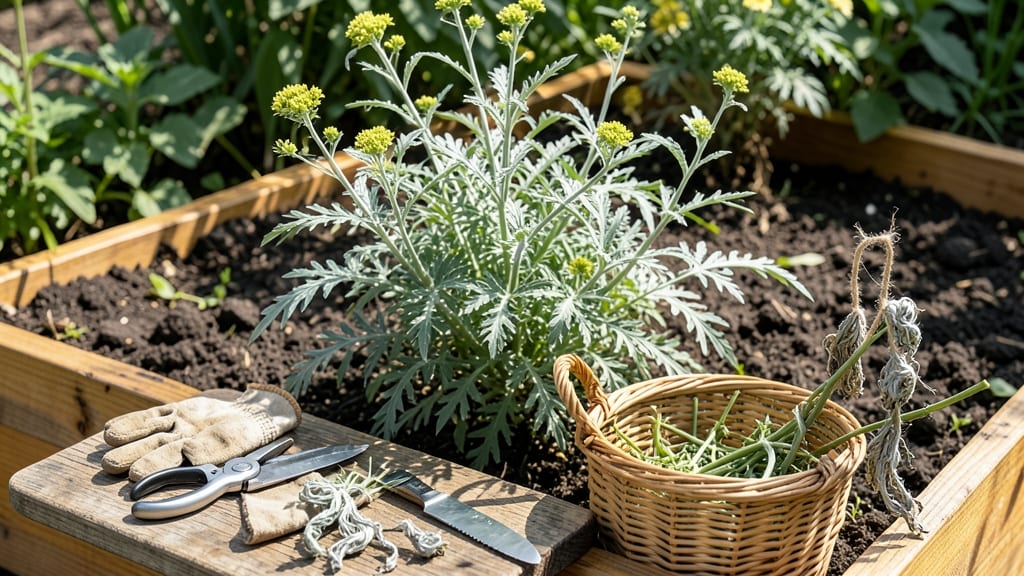
If you’ve ever wondered how to harvest wormwood at its absolute peak—when its leaves pack the most potent flavor and medicinal benefits—you’re in the right place. This hardy herb, with its silvery-green foliage and distinctive aroma, isn’t just for garnishes; it’s a staple in teas, bitters, and even traditional remedies.
But timing and technique make all the difference.
Harvesting too early or using the wrong tools can leave you with weak, bitter-tasting leaves—or worse, damage your plant. I’ve spent years perfecting the process, and what I’m about to share will ensure you get the best yield every time.
Whether you’re growing wormwood in your backyard or a container, these steps will transform your harvest from good to extraordinary.
From the ideal July to September window to the sharpest pruning tools, I’ll walk you through every detail. You’ll learn how to spot the perfect moment to cut—when the leaves are fully aromatic but before the plant flowers—plus how to dry and store your harvest for months of flavor.
Let’s get started.
Ready to elevate your wormwood game? By the end of this guide, you’ll know exactly when, how, and why to harvest for maximum potency. No more guesswork—just proven techniques that work for gardeners at every level.
When to harvest wormwood for maximum flavor and potency
Harvesting wormwood at the right time ensures its bitter flavor and therapeutic properties reach their peak. The best window is late summer—just as the plant begins flowering but before buds fully open.
This timing captures the highest concentration of essential oils, which are most potent when the plant’s energy shifts toward reproduction.
For culinary use, harvest leaves in July or August when they’re fully developed but still tender. If you’re drying wormwood for medicinal teas or herbal remedies, aim for early morning harvests when essential oils are most concentrated.
The moon phase also plays a role—harvesting during a waning moon enhances drying efficiency.
Climate matters: In warmer climates (USDA zones 8-10), wormwood may flower earlier, so adjust your harvest to June or early July. In cooler zones (6-7), wait until late July or August to avoid harvesting too early. Always prioritize dry, sunny weather to prevent mold during drying.
Here’s what to watch for: deep green, slightly silvery leaves with a strong, piney aroma and firm but flexible stems. If leaves are yellowing or woody, the plant is past its prime. Harvesting too late reduces bitterness and aroma, which are key for teas and tinctures.
Pro tip: Never harvest more than 1/3 of the plant at once to avoid stress. Wormwood is perennial, so prune selectively to encourage bushier growth. This ensures you’ll have a steady supply for multiple harvests over the season.
If you’re growing wormwood for culinary bitters or homemade absinthe, focus on the younger leaves and tips. These contain the most volatile oils responsible for that signature earthy, camphor-like flavor.
Older leaves are still usable but may be too bitter for delicate dishes—save them for strong teas or tinctures.
For medicinal purposes, such as digestive tonics or anti-inflammatory remedies, harvest the entire above-ground growth (including stems) when the plant is in full bloom. The flowers contain additional active compounds like thujone, which boosts wormwood’s therapeutic effects.
Timing your harvest correctly isn’t just about flavor—it’s about plant health. Over-harvesting weakens wormwood, making it susceptible to pests like aphids or disease. Always leave healthy foliage to photosynthesize and support root growth for next year’s harvest.
Remember: Patience pays off. A well-timed harvest ensures your wormwood retains its intense aroma, bold bitterness, and medicinal potency for years to come. Start small, observe your plant, and adjust your timing based on its unique growth patterns.
🌿
Essential tools and techniques for clean, efficient wormwood harvesting
Harvesting wormwood properly starts with the right tools and techniques. Using the wrong equipment can bruise leaves, reducing flavor and medicinal potency. I always reach for sharp pruning shears or clean scissors—never your hands—to avoid crushing stems.
Pair these with gardening gloves to protect your skin from the plant’s mild irritants, especially if you’re harvesting large batches.
Timing matters just as much as tools. The best time of day to harvest is early morning after the dew has dried but before the sun intensifies. This ensures the highest essential oil content and prevents wilting.
I’ve found that harvesting on a dry, sunny day also speeds up drying time, preserving wormwood’s signature bitterness.
After harvesting, the next critical step is proper drying. I recommend either air-drying or using a dehydrator set to 95°F (35°C). For air-drying, bundle stems together and hang them upside down in a dark, well-ventilated space away from direct sunlight.
This prevents fading and preserves the volatile oils that give wormwood its therapeutic properties.
Once dried—typically in 1-2 weeks—store your wormwood in airtight containers like glass jars or sealed bags. Keep them in a cool, dark place to maintain potency for up to 12 months.
I like to label my jars with the harvest date to track freshness, especially since wormwood’s flavor intensifies over time.
For culinary use, I often crush dried leaves slightly before storing to release more aroma. If you’re growing wormwood for medicinal purposes, avoid crushing until ready to use, as this can degrade the active compounds. Always wash your hands thoroughly after handling wormwood to remove any residual oils.
Finally, never harvest more than one-third of the plant at once. Over-harvesting weakens wormwood and reduces future yields. I prioritize sustainable harvesting to keep my plants healthy and productive for years.