
Companion Plants
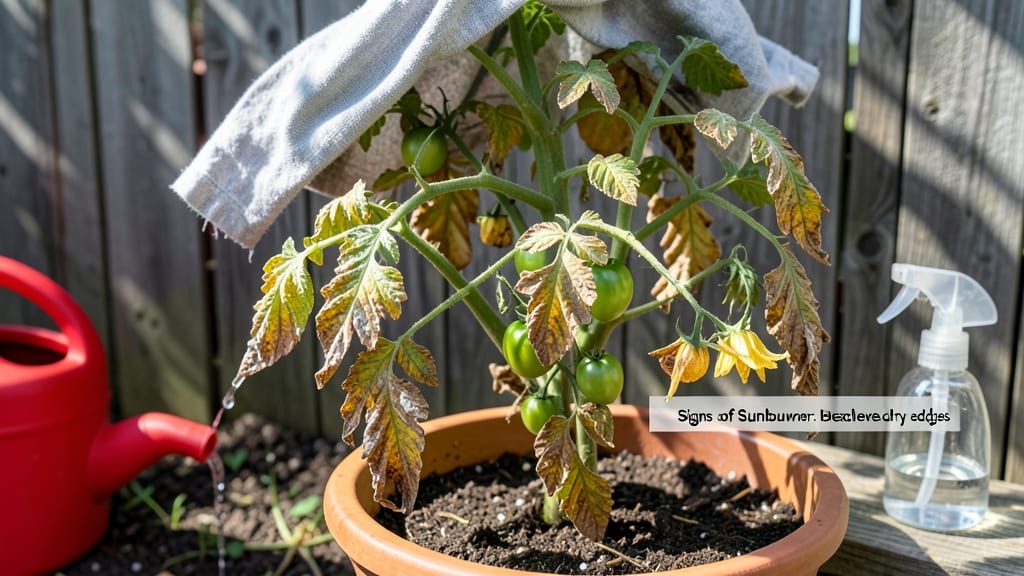
How to heal sunburned plants—they often look like they’ve been left in the desert, bleached and crispy at the edges. 🌿 The good news? Most can recover with simple fixes you already have at home. I’ve nursed back everything from scorched basil to sun-stressed tomatoes using just shade, water, and a little elbow grease.
First, identify the damage: white or yellow patches, brittle leaves, or stems that look like they’ve been kissed by fire. Then act fast—move plants to partial shade immediately and water deeply to cool their roots.
A light layer of mulch keeps soil moisture steady, while pruning dead leaves helps the plant focus energy on recovery.
Within 3-7 days, you’ll see new growth pushing through. The key is consistency: keep an eye on humidity, avoid fertilizing burned plants, and gradually reintroduce sunlight once they’re healed. Most plants bounce back completely if you catch it early.
For severe cases—like completely blackened stems or wilting despite care—it might be time to consult a local nursery pro. But for the everyday oops moments? This method works like a charm every season.
📚 In This Guide
- What you need
- Instructions
- Tips and common mistakes
- Wrapping up and next steps
What you need
- ● Misting spray bottle (8–16 oz) – For gentle hydration (fill with room-temperature water).
- ● Aluminum foil (shiny side out) – 1–2 sheets per plant (cut to size).
- ● Pruning shears (sterilized) – To trim severely damaged leaves (avoid over-trimming!).
- ● Organic mulch (straw, shredded leaves, or coconut coir) – 1–2 inches thick for root protection.
- ● Houseplant fertilizer (balanced, 10-10-10 or similar) – Diluted to half-strength for post-stress recovery.
- ● Unscented aloe vera gel (100% pure) – 1–2 tbsp per plant (soothes like a spa treatment!).
- ● Compost or worm castings – ½ cup mixed into soil to boost immunity.
- ● Shade cloth (30–50% block) – Temporary cover for extreme cases (secured with clips).
- ● Hydrogen peroxide (3%) – 1 tsp per gallon of water (disinfects pruning tools).
Step-by-step instructions for healing sunburned plants
Here's how I nurse plants back to health using simple, fast-acting remedies you already have at home.
💧 Step 1: Provide Immediate Shade Relief
Move affected plants to partial shade immediately—even a few hours under a sheer curtain or dappled tree canopy prevents further damage. I like to use a lightweight shade cloth (if available) stretched over a frame for 3-5 days. Watch for leaves that look bleached, crispy, or have white/yellow patches—these are your indicators of severe sun stress.
Don't leave them in direct sun "to toughen up." Sunburned plants can't photosynthesize properly, and pushing them risks permanent damage. If you can't move the plant, trim 10-20% of the most sunburned foliage with clean pruners to reduce stress on the plant. This sounds drastic, but it helps redirect energy to healthy growth.
🌿 Step 2: Hydrate with Cool, Cloudy Water
Give plants a deep watering using cool (not cold) water—lukewarm is best. I water in the early morning or evening to avoid evaporation and stress. Check soil moisture by sticking your finger 1-2 inches deep—if it feels dry, water until it runs out the drainage holes. Overhead watering can worsen sunburn by causing leaf scorch, so water at the base instead.
Add a tablespoon of apple cider vinegar to a gallon of water for every 4 plants to help lower the pH slightly and reduce leaf burn. This is especially helpful for succulents, citrus, or young plants that are more sensitive. You'll see improvement within 24-48 hours as leaves perk up and stop wilting.
✂️ Step 3: Trim Damaged Foliage Strategically
Use sterilized pruning shears to cut back only the most severely damaged leaves—look for crispy, brown edges or white patches that won't recover. Make cuts just above a leaf node or healthy growth point to encourage new shoots. For succulents or cacti, remove entire sunburned pads with a clean knife, leaving the healthy tissue intact.
Don't panic and prune everything—healthy green leaves are still photosynthesizing and feeding the plant. Focus on removing only what’s clearly dead. After trimming, wipe down the leaves with a damp cloth to remove dust and improve light absorption. You'll notice new growth within 7-10 days if the roots are still healthy.
🪴 Step 4: Apply a Protective Leaf Spray
Mix 1 tablespoon of aloe vera gel (straight from the plant) with 1 cup of water and spray lightly on affected leaves. Aloe contains anti-inflammatory compounds that soothe sunburned tissue. For larger plants, use 1 tablespoon of coconut oil + 1 teaspoon of honey in a quart of water—this creates a protective barrier while providing nutrients.
Spray in the early morning so leaves dry before evening. Avoid using this on succulents or cacti—their thick skin doesn’t absorb well. Instead, apply a thin layer of diluted milk (1 part milk to 10 parts water) with a spray bottle. The lactic acid in milk helps reduce oxidative stress and speeds recovery.
☀️ Step 5: Gradually Reintroduce Sunlight
After 5-7 days, move plants back to their original spot only if they’ve shown signs of recovery—new growth, firmer leaves, or reduced browning. Start with 2-3 hours of morning sun and gradually increase exposure over 3-5 days. If leaves start crisping again, return to shade immediately.
For long-term protection, mulch around the base with 2-3 inches of organic matter (like straw or shredded leaves) to keep roots cool. This prevents heat stress from radiating up into the plant. You’ll know your plant is fully healed when it’s producing new leaves and the old sunburned patches fade to a healthy green.
Tips & tricks for healing sunburned plants
These simple yet powerful tricks will help your sunburned plants bounce back faster than you'd expect.
Shade Strategy: If you don't have shade cloth, move plants under a sheer curtain or even a white bedsheet stretched between chairs. The key is blocking direct UV rays while still allowing indirect light—think of it like wearing sunscreen for your plants. I've seen dramatic improvements in just 24-48 hours when using this method consistently. For container plants, simply move them to a north-facing window or under a patio umbrella.
Watering Wisdom: The early morning or evening watering window is crucial because it prevents water from evaporating quickly in the heat. I like to use a spray bottle with lukewarm water to mist leaves lightly—this mimics natural dew and helps hydrate without shocking the plant. For plants with thick leaves (like succulents), water at the soil level only to avoid worsening the burn. You'll know you're doing it right when leaves look plump and less wilted within 24-48 hours.
Pruning Precision: When trimming damaged foliage, focus on removing only what's crispy or completely white—healthy green leaves are still working to heal the plant. I use sterilized scissors (cleaned with rubbing alcohol) to make precise cuts just above leaf nodes. For delicate plants like ferns, you can even snip off just the most severely damaged tips rather than whole leaves. This targeted approach helps the plant conserve energy while still looking neat.
Leaf Spray Timing: Apply your protective leaf spray in the early morning so it has plenty of time to dry before evening. I find that spraying in two light coats (with a 10-minute break between) works better than one heavy application. For plants with fuzzy or waxy leaves (like lamb's ear), reduce the spray pressure to avoid damaging the delicate surface. You'll notice leaves looking less stressed and more vibrant within 3-5 days of consistent spraying.
Pro Tips for Heal Sunburned Plants
- These simple yet powerful tricks will help your sunburned plants bounce back faster than you'd expect.
- Shade Strategy: If you don't have shade cloth, move plants under a sheer curtain or even a white bedsheet stretched between chairs.
- Watering Wisdom: The early morning or evening watering window is crucial because it prevents water from evaporating quickly in the heat.
Frequently asked questions
Got questions about reviving your sunburned plants? Here are some common concerns and straightforward answers to help you get your greenery back on track.
How long does it take for sunburned plants to heal?
Most plants show improvement within 3–7 days if treated promptly with shade, hydration, and care. Severe cases (like crispy leaves or blackened stems) may take 2–4 weeks or longer to fully recover. Monitor your plant daily—new growth is a great sign!
Can I use aloe vera gel on sunburned plants?
Yes! Aloe vera gel is a safe, natural remedy for minor sunburn. Apply a thin layer to affected leaves (avoid stems) to soothe irritation and reduce wilting. Reapply every 2–3 days until the plant recovers. Skip if your plant has thick, waxy leaves (like succulents)—they heal differently.
Should I water sunburned plants more often?
Actually, overwatering can worsen damage by diluting nutrients and stressing roots. Instead, water deeply but less frequently (every 5–7 days, checking soil moisture first). Focus on even hydration—dry roots + sunburn = double trouble. Mornings are best to prevent evaporation.
What if my plant’s leaves turn black or mushy?
Black or mushy leaves signal severe damage and may not recover. Trim affected areas with sterilized scissors to prevent rot. If more than 50% of the plant is damaged, consider propagating healthy cuttings or replacing it. Prevention (like gradual sun exposure) is key for future plants!
How do I prevent sunburn in the first place?
Start by acclimating plants gradually to sunlight (a process called "hardening off"). Move pots incrementally from shade to partial sun over 1–2 weeks. Use lightweight shade cloth (30–50% coverage) for high-risk plants. Avoid midday sun (10 AM–4 PM) during peak summer months.
Wrapping up and next steps
Healing sunburned plants is totally doable with a little care and the right remedies! By trimming damaged leaves, hydrating properly, and using household solutions like aloe vera or yogurt, you’ll give your greens the best chance to recover.
Remember, patience and consistency are key—your plants will bounce back with time and tender love.
Now that you’re armed with these tips, take action! Check your plants regularly, adjust their sunlight exposure, and keep them happy. Your garden will thank you with vibrant, healthy growth—you’ve got this! 🌱✨