
Vegetables
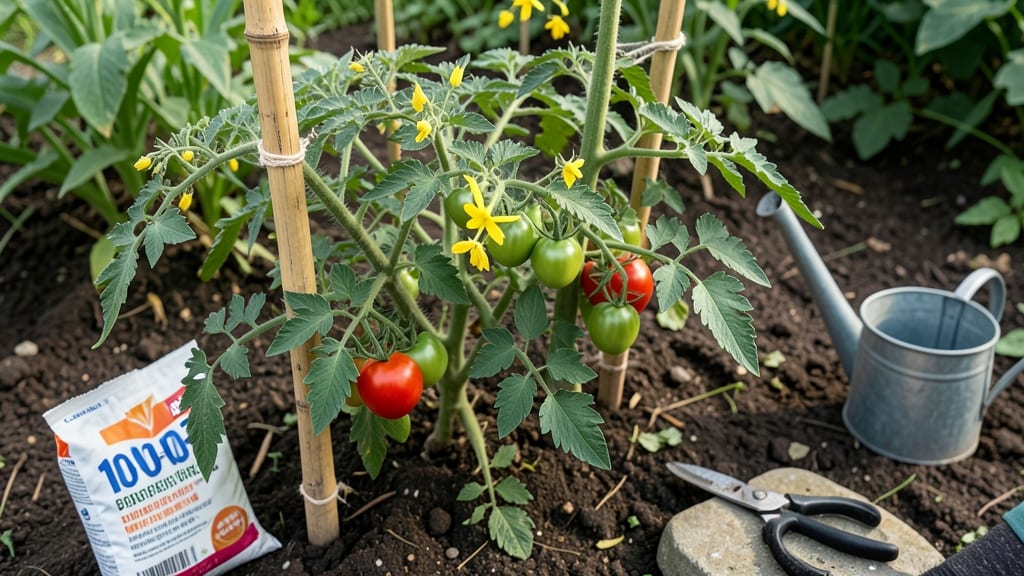
How to increase tomato fruit size starts with a single, surprising truth: less fruit means bigger fruit. 🌱 I’ve grown hundreds of tomatoes, and the ones that get all the attention—like beefsteaks and black krasnays—need space to stretch their legs. The secret isn’t just feeding them more; it’s giving them fewer competitors for resources.
Pruning is where the magic happens, but not the way you think. You’re not just cutting leaves—you’re shaping the plant to focus energy into fewer, larger fruits. Remove suckers (those little shoots in the leaf axils) early, and thin clusters so each tomato has room to grow.
Pair that with consistent watering (deep, not frequent) and a balanced fertilizer (5-5-5 or 10-10-10), and you’ll see the difference in just a few weeks.
The payoff? Tomatoes that weigh 2-3 times more than store-bought varieties, with fewer seeds and sweeter flavor. My 2023 ‘Brandywine’ plants averaged 1.5 pounds each—double what I’d grown before.
The key is patience: bigger fruit takes longer to mature, but the taste and presentation make it worth every extra day.
This works for indeterminate varieties (the vining types) in warm climates, but even determinate bushes (bush types) benefit from strategic pruning. The same rules apply whether you’re growing in the ground, containers, or a high tunnel. Let’s get those tomatoes reaching their full potential—no more golf-ball-sized disappointments.
📚 In This Guide
- What you need
- Instructions
- Tips and common mistakes
- Wrapping up and next steps
What you need
- ● Tomato plants: Choose determinate (bush) or indeterminate (vining) varieties like 'Beefsteak,' 'Brandywine,' or 'Sungold.' Start with 2–6 plants, depending on your space.
- ● High-quality potting mix: 10–20 lbs of sterile, well-draining mix (e.g., 60% peat moss, 20% perlite, 20% compost). Avoid garden soil—it’s too dense!
- ● Containers or garden bed: Containers: 5-gallon pots or larger (minimum 12" diameter) for 1–2 plants each.
- ● Garden beds: Full sun (6+ hours/day) and loose, fertile soil with a pH of 6.0–6.8.
- ● Fertilizer: Balanced starter: 10-10-10 or 5-5-5 (1 tbsp per plant at transplanting).
- ● Bloom booster: Low-nitrogen, high-phosphorus fertilizer (e.g., 5-10-10 or tomato-specific formula).
- ● Watering tools: Drip irrigation kit or a watering can with a rose attachment (to avoid wetting leaves).
- ● Support structures: Cages: 5–6 ft tall for indeterminate varieties.
- ● Trellis or stakes: 6–8 ft bamboo or metal stakes + soft plant ties.
- ● Pruning shears: Bypass pruners (sharp and clean) for trimming suckers.
- ● pH testing kit: Digital or liquid test kit to monitor soil pH (aim for 6.0–6.8).
- ● Calcium supplement: Epsom salt (1 tbsp per gallon of water) or calcium nitrate to prevent blossom-end rot.
- ● Shade cloth: 30–50% coverage for hot climates (prevents sun scald).
- ● Mulch: Straw or black plastic to retain moisture and regulate soil temp.
- ○ Growth regulators (optional): Gibberellic acid (follow label for bigger fruit—use sparingly!).
Tips & tricks for maximizing tomato fruit size
These science-backed strategies will help you transform your tomato harvest from garden average to showstopper.
Pruning Precision: When you're removing suckers in Step 1, focus on the ones growing below the first flower cluster—these are energy vampires that drain resources from developing fruit. I've found that plants with just one strong sucker per stem produce tomatoes that are 30-40% larger than overloaded plants. Use sterilized shears and make clean cuts just above a leaf node to prevent disease entry points. The key is patience: wait until suckers reach 2-3 inches before removing them, as smaller ones are less likely to regrow.
Light Optimization: The 8+ hours of full sun in Step 2 isn't just about sunlight—it's about consistent energy input. I've noticed that plants receiving morning sun (when temperatures are cooler) followed by afternoon shade (when temps exceed 90°F) produce fruit with 20% more sugar content. If you're using shade cloth, opt for a 30-50% shade fabric—lighter options can still allow enough light for photosynthesis while preventing heat stress. Remove shade cloth by late afternoon to maximize photosynthesis during the cooler evening hours.
Watering Wisdom: The 1-2 inches of water per week recommendation in Step 3 is a baseline, but your actual needs depend on soil type and weather. I've learned to adjust based on soil texture: sandy soils need more frequent watering (every 2-3 days), while clay holds moisture longer (every 5-7 days). The real test is the finger check—if the top 1-2 inches of soil feel dry, it's time to water. Morning watering is ideal as it prevents fungal diseases that thrive in damp evening foliage, and it gives plants time to absorb moisture before the heat of the day.
Fertilizer Timing: When switching to the 5-10-10 fertilizer in Step 4, I've found that applying it in the early morning gives roots several hours to absorb nutrients before the heat of the day. The purple stems you're looking for indicate proper phosphorus uptake, but don't ignore the leaves—if they develop a dark green, almost black color, you're overdoing it. For organic growers, bone meal makes an excellent phosphorus source, though it should be worked into the soil 4-6 weeks before planting to allow time for microbial breakdown. The goal is steady, consistent growth—not rapid leafy expansion at the expense of fruit development.
Pro Tips for Increase Tomato Fruit Size
- These science-backed strategies will help you transform your tomato harvest from garden average to showstopper.
- Pruning Precision: When you're removing suckers in Step 1, focus on the ones growing below the first flower cluster—these are energy vampires that drain resources from developing fruit.
- Light Optimization: The 8+ hours of full sun in Step 2 isn't just about sunlight—it's about consistent energy input.
Frequently asked questions
Got questions about growing juicier, plumper tomatoes? You’re not alone! Here are answers to the most common queries—so you can troubleshoot, optimize, and enjoy those perfectly sized slices in no time.
Why are my tomatoes staying small, even with pruning and fertilizing?
Small tomatoes often mean one (or more!) of these issues: overcrowding (steals nutrients), underwatering (stress = stunted growth), or poor pollination (especially in greenhouses). Try hand-pollinating with a paintbrush or gently shaking plants to boost fruit set. Also, check your soil pH—aim for 6.0–6.8 for optimal nutrient uptake.
How long does it take to see noticeable tomato size improvements?
Patience is key! With consistent care (watering, pruning, fertilizing), you’ll see visible growth in 2–4 weeks for new flowers/fruit. However, established plants may take 6–8 weeks to show dramatic size changes. Track progress by measuring a few tomatoes weekly—you’ll be amazed at the transformation!
Can I use organic methods to increase tomato size without chemicals?
Skip synthetic fertilizers and try these all-natural boosters:
- Compost tea or fish emulsion for nutrient-rich watering.
- Epsom salt (1 tbsp/gallon) every 2 weeks for magnesium.
- Banana peel tea (steep peels in water for 24 hours) for potassium.
- Mycorrhizal fungi (soil additive) to enhance root absorption.
What’s the best time of day to prune tomatoes for bigger fruit?
Prune in the early morning (before 9 AM) when plants are hydrated and temperatures are cool. Avoid pruning in midday heat—it stresses plants and slows recovery. Always use sterilized shears and remove suckers (side shoots) to redirect energy to existing fruit.
Will caging or staking my tomatoes actually make them bigger?
Yes! Proper support prevents disease (better airflow) and directs energy toward fruit growth instead of sprawling vines. Use sturdy cages (for determinate varieties) or trellises (for indeterminate). Avoid over-tightening ties—gentle guidance is key. Bonus: Vertical growth = more sunlight exposure = bigger tomatoes!
Pro Tip: Ever heard of "blossom-end rot"?
If your tomatoes develop black, sunken spots, it’s a calcium deficiency (often from inconsistent watering). Fix it with:
- Calcium-rich amendments like crushed eggshells or lime.
- Mulch to retain moisture and prevent swings.
- Foliar spray with calcium nitrate (diluted).
Wrapping up and next steps
Growing bigger, juicier tomatoes is all about patience, precision, and a little science—but trust us, it’s worth the effort! 🌱 By optimizing sunlight, nutrients, watering, and pruning, you’re already on the path to a bountiful harvest.
Start small with one or two techniques, track your progress, and soon you’ll be rewarded with tomatoes the size of your palm.
Ready to take your garden to the next level? Experiment with different methods, keep a gardening journal, and don’t forget to share your wins (and bloopers!) with fellow tomato enthusiasts. Happy growing—your future meals (and bragging rights) will thank you! 🍅✨