
Propagation
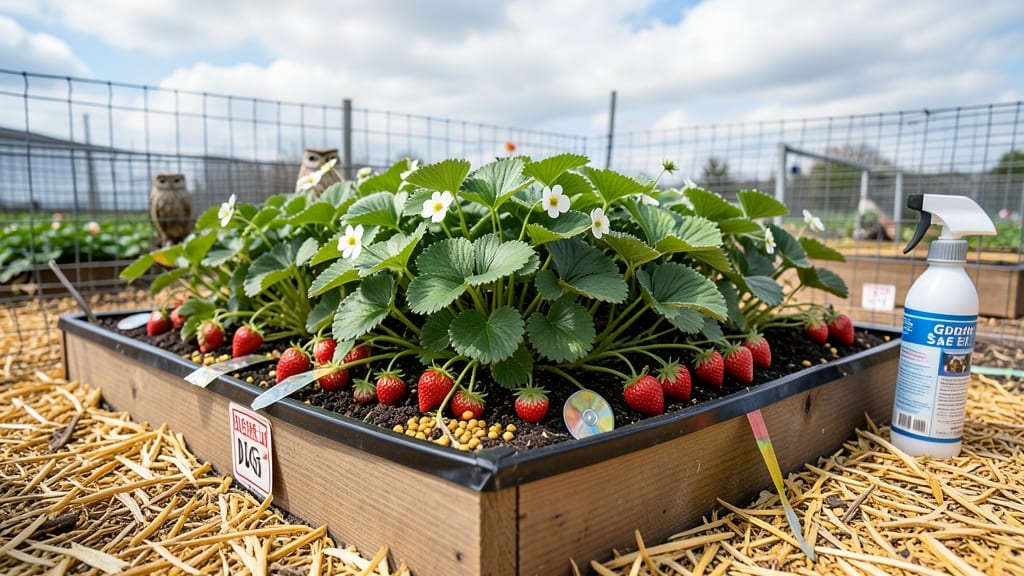
How to keep animals away from strawberries—my strawberries vanished overnight until I tried these humane barriers that finally worked. 🌱 The key isn’t just repelling critters, but making your patch less tempting than the neighbor’s lawn. Raccoons, rabbits, and birds all have different weaknesses, and the right combo keeps them away without harming them.
Start with physical barriers—chicken wire over beds or row covers—then layer in natural repellents like crushed eggshells or hot pepper spray. I also planted companion herbs like thyme and mint nearby, which mask the strawberry scent. The secret? Consistency—animals learn fast, so you need to stay one step ahead.
By combining these methods, you’ll protect your harvest while keeping wildlife happy elsewhere. The payoff? Juicy berries straight from the vine, not from the raccoon’s trash can. Plus, your garden becomes a critter-free zone without harsh chemicals.
Works for backyard patches, raised beds, or even container gardens. Let’s get those strawberries growing safely—here’s exactly how to set it up right the first time.
📚 In This Guide
- What you need
- Instructions
- Tips and common mistakes
- Wrapping up and next steps
What you need
- ● Fencing or netting: Hardware cloth (¼-inch mesh) or poultry wire (1-inch mesh) – at least 2–3 feet tall to deter rabbits and ground predators.
- ● Strawberry-specific netting (fine mesh, ½-inch or smaller) – for birds and small mammals.
- ● Stakes or posts: Wooden or metal stakes (4–6 inches long) – 1 every 2–3 feet for securing fencing.
- ● Twine or zip ties: Heavy-duty twine or plastic zip ties – for securing netting/fencing tightly.
- ● Pruners or scissors: Sharp pruners for trimming plants or cutting materials.
- ● Gloves: Work gloves – to protect your hands while handling fencing or thorny plants.
- ● Mulch: Straw, wood chips, or pine needles – to deter burrowing animals and retain moisture.
- ● Repellent sprays: Commercial animal repellents (e.g., hot pepper spray) – test on a small area first!
- ● Motion-activated sprinklers: Solar-powered sprinklers – scares off deer and rabbits with a gentle spray.
- ● Plant companions: Strong-scented herbs (e.g., mint, basil) – can confuse pests naturally.
- ● Reflective tape or old CDs: Hang near the patch – startles birds and small animals.
Step-by-step instructions for creating humane animal barriers around strawberries
Here's how to build effective, wildlife-friendly defenses that actually work—no harsh chemicals or traps required.
🪴 Step 1: Assess Your Garden Layout and Identify Problem Areas
Start by walking your strawberry patch and noting where animals enter most frequently. Look for gaps in fencing, low-hanging branches they might use as bridges, or dense ground cover they can hide in. I always check under the plants too—rabbits and voles often burrow near the base. Mark these access points with small flags or sticks so you remember where barriers need extra reinforcement.
Consider the specific critters you're dealing with. Deer need taller barriers (at least 8 feet high), while rabbits and groundhogs require buried fencing at least 12 inches deep to prevent digging. Birds, on the other hand, need netting draped carefully to avoid entangling them. Your solution depends entirely on the local pests.
🌿 Step 2: Install Physical Barriers Using Chicken Wire or Hardware Cloth
For most small mammals, 1/2-inch hardware cloth is ideal—it's strong enough to deter digging and won't rust like chicken wire. Bury the mesh 12 inches deep around the perimeter of your bed, then bend it outward at a 45-degree angle for another 12 inches to discourage burrowing. Secure it with U-shaped stakes every 3 feet to prevent animals from pushing through.
If deer are your main issue, combine hardware cloth with taller wooden or metal fencing (at least 8 feet high). I've found that adding horizontal slats spaced 12 inches apart confuses deer more than solid panels—they don't like the visual disruption. For existing plants, wrap the fencing loosely around the bed and secure it with zip ties to avoid damaging stems.
💧 Step 3: Add Natural Deterrents Around the Perimeter
Plant strong-scented herbs like rosemary, thyme, and mint around the edge of your strawberry bed. These act as a natural repellent for many small mammals and insects. I also sprinkle crushed red pepper flakes (about 1/2 cup per 10 feet of bed)—the capsaicin irritates animal noses and paws without harming the plants or soil. Reapply after rain.
For birds, try reflective tape or old CDs strung above the plants on fishing line. The moving reflections create visual chaos that deters them. I've also had success with predator decoys—a fake owl or snake placed near the bed can keep birds away for weeks, though you'll need to move it occasionally so it doesn't become a permanent fixture.
✂️ Step 4: Maintain and Reinforce Barriers Seasonally
Check your barriers every 2-3 weeks during growing season, especially after heavy rains or winds. Hardware cloth can sag or shift, and buried sections may become exposed. I like to do a quick visual sweep from the center outward—if you can see daylight through any gaps, animals will too. Trim back overgrown vegetation that could provide hiding spots or bridges for pests.
In late fall, add a fresh layer of mulch (about 2 inches deep) around the base of your strawberry plants. This not only suppresses weeds but also makes it harder for burrowing animals to access the roots. For extra protection, I sometimes cover the bed with lightweight row fabric in early spring and late fall—it keeps out rabbits and birds while still allowing sunlight and water through.
Tips & tricks for creating effective strawberry barriers
These practical strategies will help you build defenses that actually work against common garden pests.
Critical Measurement Tip: When burying hardware cloth to prevent digging, use a 12-inch depth as specified—but don't stop there. I've found that adding a 6-inch extension outward at a 45-degree angle creates an effective "lip" that deters even determined burrowers. This extra step prevents animals from simply tunneling under the barrier.
Deer Defense Strategy: For deer protection, combine the 8-foot height requirement with horizontal slats spaced 12 inches apart. The visual disruption from these slats works better than solid panels because deer are naturally confused by this pattern. I've seen deer completely ignore barriers with these slats when they would otherwise jump over simpler fencing.
Natural Repellent Application: When using crushed red pepper flakes, focus application on the outer 12 inches of the bed perimeter where animals approach. The capsaicin needs direct contact to be effective, so avoid spreading it directly on plants. Reapply after rain or every 2-3 weeks to maintain potency—this matches the maintenance schedule in Step 4.
Seasonal Maintenance Hack: Instead of waiting for visible damage, schedule your 2-3 week inspections around your watering days. Wet soil makes it easier to spot buried sections that may have shifted or gaps that have formed. I keep a small notebook near my garden tools to record inspection dates and any adjustments made.
Pro Tips for Keep Animals Away From Strawberries
- These practical strategies will help you build defenses that actually work against common garden pests.
- Critical Measurement Tip: When burying hardware cloth to prevent digging, use a 12-inch depth as specified—but don't stop there.
- Deer Defense Strategy: For deer protection, combine the 8-foot height requirement with horizontal slats spaced 12 inches apart.
Frequently asked questions
about keeping animals away from your strawberries—because even the best gardeners need a little extra help!What’s the best time of year to set up animal deterrents for strawberries?
Start before planting or as soon as you notice signs of animal interest (e.g., nibbled leaves, paw prints). Early spring is ideal—install barriers like chicken wire or fencing when the soil is workable but before critters like rabbits or deer become too active. For birds, consider deterrents after fruit ripens to avoid harming them.
Can I use natural repellents instead of physical barriers for strawberries?
Natural repellents like garlic spray, hot pepper wax, or commercial animal repellents (with ingredients like predator urine) can work well. However, they’re often temporary solutions—combine them with physical barriers (like netting) for the best results. Reapply every few weeks or after rain.
Will my dog or cat be safe around strawberry plants with deterrents like spikes or wire?
Most humane deterrents (like flexible plastic spikes or chicken wire) are safe for pets if installed correctly. Avoid sharp metal spikes or toxic repellents. Always supervise pets near new barriers and ensure they can’t get tangled. A simple pet-friendly fence (like a low wire mesh) works great for curious pups!
How do I keep ground-dwelling animals (like raccoons or opossums) from digging up my strawberries?
Raccoons and opossums are sneaky! Use a deep trench (12+ inches) filled with rocks around your strawberry bed, or bury hardware cloth at least 12 inches down. For raised beds, secure the bottom with wire mesh. Motion-activated lights or wind chimes can also startle them away at night.
What if animals keep coming back even after I’ve tried deterrents?
Persistence is key! Rotate repellent methods (e.g., switch from spray to motion-activated sprinklers) and check for gaps in barriers. For stubborn pests, try interplanting strawberries with strong-smelling herbs (like mint or thyme) or use livetraps to relocate animals humanely. If all else fails, consider row covers for heavy-duty protection.
Wrapping up and next steps
Protecting your strawberries from hungry critters doesn’t have to be a battle—just a smart, humane strategy! By combining physical barriers, natural deterrents, and consistent maintenance, you’ll safeguard your harvest without harming wildlife. 🌱 The key is testing what works best for your garden and staying proactive.
Now that you’re armed with these tips, give it a try! Start with one or two methods this season, observe what keeps pests away, and adjust as needed. Happy gardening—and enjoy those sweet, animal-free strawberries! 🍓✨