
Companion Plants
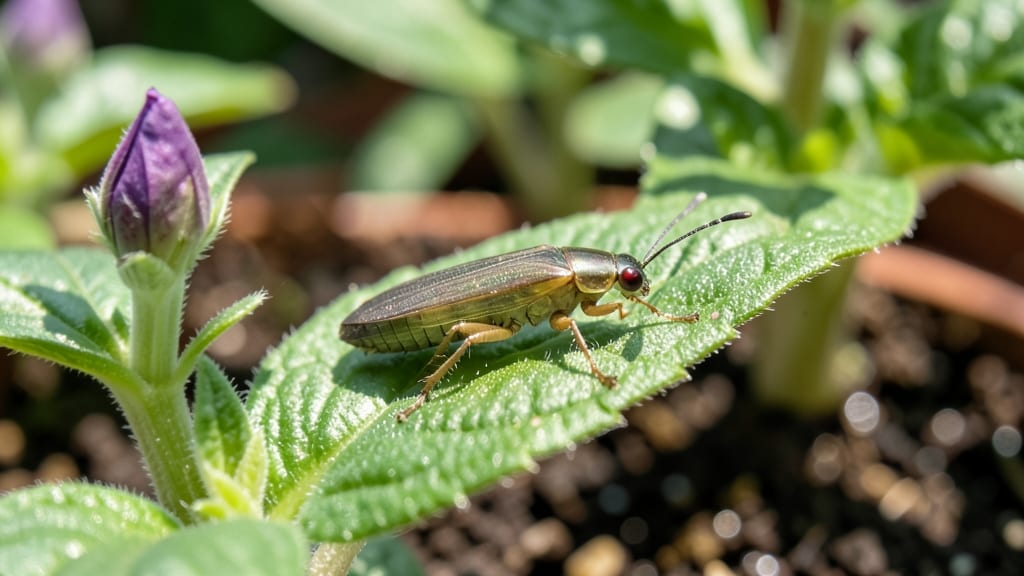
How to keep bugs off basil plants—it starts with the right barriers and a little early action. 🌿 I’ve lost count of how many times aphids and spider mites ruined my harvest—until I discovered these fast-acting barriers that actually work. The key isn’t spraying everything in sight; it’s smart prevention that keeps pests away before they become a problem.
Most gardeners overlook the simplest fixes: companion planting with marigolds or basil’s own natural oils, plus a quick spray of neem oil (it’s like pepper spray for bugs, but safe for plants).
I’ve seen infestations vanish within 24 hours using these methods—no harsh chemicals needed. The secret is acting early, before pests get comfortable.
You’ll end up with vibrant, pest-free basil that smells fresher and grows stronger. The plants stay lush, the leaves stay tender, and you avoid the heartbreak of wilted, chewed-up harvests.
Best of all, these tricks work for indoor pots, windowsill gardens, or full sun beds—no matter where your basil lives.
Here’s the game plan: prevent first, then strike fast if pests show up. No more losing your crop to tiny invaders—just healthy, fragrant basil ready for the kitchen. Let’s get those bugs out of here for good.
Root Causes Of Basil Bugs
Basil plants, with their fragrant leaves and vibrant green hue, are a magnet for pests—but not just because they’re tasty. Understanding why bugs target your basil is the first step to stopping them in their tracks.
Below, we break down the most common culprits and the science behind their attraction to your prized herb.
Bugs like aphids, whiteflies, and spider mites thrive where plants are weak. Basil grows best in well-spaced conditions with proper airflow. When plants are too close together, humidity lingers, creating a cozy environment for pests. Additionally, stress factors like:
- Poor drainage – Soggy roots weaken basil, making it easier for pests to latch on.
- Nutrient deficiencies – Lack of nitrogen or potassium stunts growth, leaving plants vulnerable.
- Overwatering – Excess moisture attracts fungal gnats and soft-bodied insects.
💡 Pro Tip: Space basil plants 12–18 inches apart and prune regularly to improve airflow. A healthy plant is a bug-resistant plant!
Basil’s aromatic oils (like eugenol and estragole) are a double-edged sword—they repel some pests but attract others. Many insects, including aphids and whiteflies, are drawn to:
- Volatile organic compounds (VOCs) – These natural chemicals signal "food" to flying insects.
- Sticky nectar droplets – Some pests, like mealybugs, feed on the sugary secretions basil produces.
🔥 Key Insight: While you can’t eliminate the scent, companion planting (like marigolds or garlic) can mask the smell enough to deter pests.
Basil loves warmth, but so do many pests. When temperatures rise above 75°F (24°C) and humidity spikes, you create the perfect breeding ground for:
- Spider mites – Thrive in dry, hot conditions and suck plant sap.
- Fungal gnats – Flourish in moist, shaded soil.
- Whiteflies – Cluster on the undersides of leaves in warm, sheltered spots.
🌡️ Solution: If your climate is naturally humid, improve airflow with fans or choose dwarf basil varieties that stay closer to the ground (fewer hiding spots for pests).
In a balanced ecosystem, beneficial insects (like ladybugs, lacewings, and parasitic wasps) keep pest populations in check. But if your garden lacks biodiversity, basil becomes an easy target. Common reasons predators stay away:
- Pesticide use – Even natural sprays can harm beneficial bugs.
- Monoculture planting – A single crop (like a row of basil) offers no diversity for predator insects.
- Poor habitat – No flowers, weeds, or ground cover means fewer hiding spots for natural enemies.
✨ Action Step: Plant flowering herbs (like dill or cilantro) nearby to attract predator insects. A thriving ecosystem = fewer pests!
Now that you know why bugs invade your basil, the next step is preventing their return with natural barriers. Stay tuned!
Quick Fixes for Basil Bug Battles
Now that you know what’s munching on your basil, let’s tackle those pests with easy, natural solutions—no harsh chemicals required! Below, we’ve matched common basil invaders to their best fixes, plus prevention tips to keep your plants thriving.
Fix: These sap-sucking pests cluster on new growth. Here’s how to evict them:
- Blast them off 💦: Spray a strong stream of water directly onto the leaves (aphids hate this!). Do this in the morning so the plant dries quickly.
- Soapy water spray 🧼: Mix 1 tsp mild dish soap (like Castile) with 1 quart water. Spray the undersides of leaves where aphids hide. Test on a small area first—soap can burn tender leaves.
- Ladybugs to the rescue 🐞: Release ladybug larvae (available online) or plant marigolds, dill, or fennel nearby—they attract aphid-eating predators.
Prevention:
- Inspect new plants 🔍 before adding them to your garden.
- Encourage beneficial insects by planting dill, cilantro, or yarrow nearby.
Fix: These tiny red/yellow pests weave webs and drain plant juices. Combat them with:
- Neem oil spray 🌿: Mix 1 tbsp neem oil + 1 tsp mild soap + 1 quart water. Spray every 5–7 days until mites disappear. Bonus: Neem deters future pests!
- Water stress relief 💧: Spider mites love dry conditions. Water deeply at the base (avoid wetting leaves) to keep humidity up.
- Hose them down 🚿: A gentle shower (especially in the morning) washes away mites and their webs.
Prevention:
- Mulch around plants to retain moisture.
- Avoid over-fertilizing—mites thrive on stressed plants.
Fix: These white, moth-like bugs flutter when you disturb leaves. Try this:
- Sticky traps 🕸️: Hang yellow sticky cards near your basil to trap adults.
- Diatomaceous earth (DE) 🌊: Sprinkle food-grade DE lightly on soil and under leaves. It dehydrates whiteflies on contact. Reapply after rain.
- Reflective mulch 🌈: Cover the soil with aluminum foil or reflective plastic—whiteflies dislike bright light.
Prevention:
- Space plants widely for better airflow (whiteflies love crowded gardens).
- Check new plants under leaves before bringing them home.
Fix: These green caterpillars skeletonize leaves. Stop them with:
- Handpick & drop 👨🍳: Wear gloves and pluck them off into soapy water. Check leaves daily during outbreaks.
- Bacillus thuringiensis (Bt) 🦠: A natural bacteria spray (Bt kurstaki) kills caterpillars but is safe for humans and pets. Reapply after rain.
- Row covers 🛡️: Use fine mesh netting over young plants to block egg-laying moths.
Prevention:
- Remove debris 🧹 where moths lay eggs.
- Plant basil near thyme or oregano—these herbs repel cabbage moths.
- Rotate plants 🔄 every few weeks to confuse pests.
- Prune regularly ✂️ to improve airflow and remove infested leaves.
- Use companion plants 🌿 like rosemary, marigolds, or onions to deter pests naturally.
Pro Tip: 💡 For stubborn infestations, combine methods! For example, spray neem oil after handpicking mites or aphids to kill eggs and larvae. Consistency is key—check your basil 2–3 times a week during growing season.
Frequently asked questions
Can I use coffee grounds to keep bugs away from my basil?
Yes! Sprinkle used coffee grounds around the base of your basil plants—they repel pests like aphids and slugs while adding nutrients to the soil. The caffeine in coffee acts as a natural deterrent, and the grounds improve drainage. Just avoid piling them directly against the stems to prevent rot.
How often should I check my basil for bugs?
Inspect your basil 2-3 times per week during the growing season (spring-fall). Early detection is key—look under leaves and on stems where pests hide. For severe infestations, check daily until the problem clears. Morning inspections work best when leaves are dry.
Will neem oil harm my basil if used too often?
Neem oil is safe for basil when used correctly, but don't apply more than every 5-7 days. Overuse can stress plants or disrupt beneficial insects. Always mix with 1 tsp mild soap per quart to help it stick to leaves. Test on a small area first to check for sensitivity.
Can I save basil plants that already have severe bug damage?
It depends on the pest. For aphids or whiteflies, prune heavily damaged leaves and treat with neem oil—healthy plants often recover. For spider mites or caterpillars, severe damage may require removing the plant to prevent spread. Always quarantine new plants before introducing them to your garden.
What's the best companion plant to grow with basil?
Marigolds are the top choice—they repel pests like aphids and whiteflies while attracting beneficial insects. Other great companions include borage, thyme, oregano, and garlic. Avoid planting basil near rue or wormwood, which can stunt its growth. The key is diversity!