
Tools
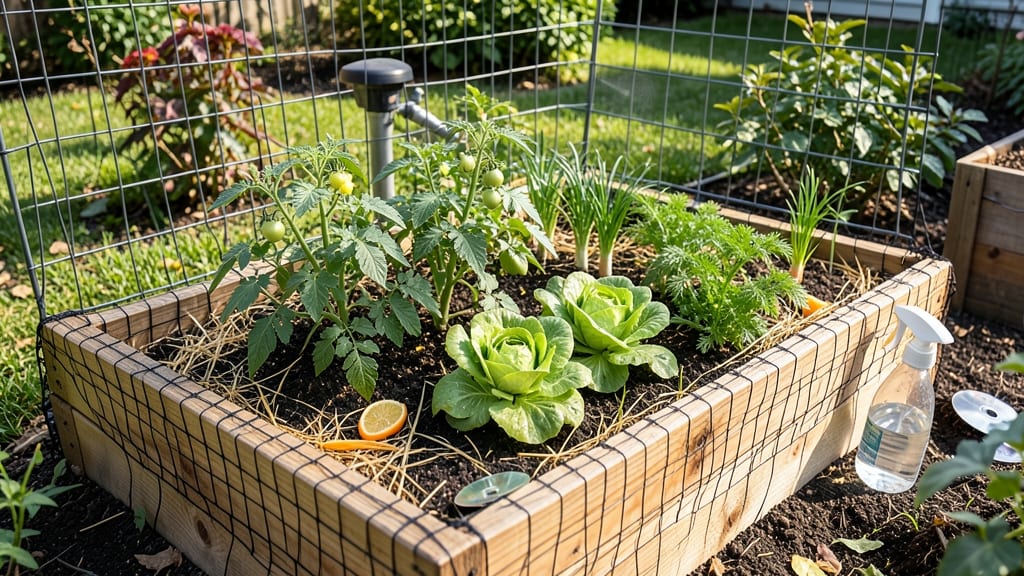
My tomatoes were becoming cat treats before I learned how to keep cats out of the veggie garden. The garden looked like a crime scene—scratches, dug-up soil, and my poor kale reduced to confetti.
But after testing these humane methods, my plants now thrive while my neighborhood strays stay away.
The secret isn't cruelty—it's smart design. Tall barriers, prickly plants, and motion-activated sprinklers work better than yelling. I started with chicken wire arches (6 inches high) wrapped in prickly holly bushes, and my cats lost interest faster than you can say "tuna."
You'll see immediate results with companion plants like lavender and rosemary, which cats avoid. Add citrus peels around the edges—they hate the smell, and it's free. The key is layering: physical barriers + natural deterrents + environmental tweaks.
Works for any yard size, from small raised beds to full plots. No more gardening frustration—just lush veggies and happy cats (at a distance).
📚 In This Guide
- What you need
- Instructions
- Tips and common mistakes
- Wrapping up and next steps
What you need
- ● Physical Barriers: 1–2 rolls of chicken wire (19-gauge, 4’ x 100’ roll) – for digging-prone cats.
- ● 1–3 rolls of hardware cloth (½” mesh, 2’ x 50’ roll) – sturdier than chicken wire.
- ● Stakes or T-posts (6–8 per 10’ section) – for securing barriers.
- ● Bungee cords or zip ties – to fasten wire to stakes.
- ● Deterrents: 1–2 bottles of citrus-scented spray (or vinegar/water mix) – cats hate citrus!
- ● 1–2 packs of prickly mats (plastic or natural) – place near garden edges.
- ● Natural Repellents: Fresh rosemary, lavender, or rue plants – cats avoid these scents.
- ● 1–2 bags of coffee grounds (used) – sprinkle lightly around the garden.
- ● Motion-activated sprinklers (battery/solar-powered) – startles cats with a gentle spray.
- ● Ultrasonic repellent devices (plug-in or solar) – emits high-frequency sounds cats dislike.
- ● Catnip-free plants (like cat grass in a separate pot) – distracts them away from veggies.
- ● Decorative rocks or mulch – makes digging harder and less appealing.
Step-by-Step instructions for creating a cat-resistant veggie garden
Here’s how to transform your garden into a feline-free zone without harming your curious pets.
Identify and Secure High-Risk Areas
Start by mapping your garden’s most vulnerable spots—areas where cats dig, scratch, or mark territory. These are usually near fences, low-growing plants, or sunny patches where cats lounge. I’ve found that raised beds under 12 inches tall and soft soil are the biggest temptations. Mark these zones with stakes or flags so you can focus protection efforts where they matter most.
Next, reinforce physical barriers in these high-risk areas. A chicken wire fence buried 6 inches deep around beds deters digging, while smooth-edged rocks or gravel discourage scratching. Cats dislike the feel of sharp or unstable surfaces, so place these materials strategically near entry points. Avoid plastic or smooth materials—they’re easy for cats to climb or scratch through.
Use Natural Deterrents Cats Hate
Cats have sensitive noses, so citrus peels, coffee grounds, or vinegar-sprayed mulch work wonders as repellents. I like to sprinkle dried citrus rinds around the garden’s perimeter—cats avoid the scent, and it decomposes naturally. For a stronger deterrent, mix 1 part vinegar with 3 parts water and lightly spray the soil surface. Reapply every 3-4 days or after rain, as the scent fades quickly.
Another effective trick is to plant cat-repellent herbs like lavender, rosemary, or coleus around the garden’s edges. These plants emit strong aromas that cats find unpleasant. Place them in 6-inch pots near vulnerable spots or intersperse them among your veggies. Just be sure to keep them well-watered—thirsty plants lose their potency as deterrents.
Create Distractions and Alternative Scratch Zones
Cats dig and scratch out of instinct, so redirect their energy with dedicated scratch pads filled with sand or catnip. Place these 10-15 feet away from your garden to keep them out of your plants. I’ve had success with horizontal scratch boards—cats prefer these over vertical surfaces, and they’re easier to place where you want them.
Add a cat-friendly digging box filled with 4-6 inches of sand or loose soil in a sunny spot away from your garden. Sprinkle a little catnip on top to encourage use. This gives your cats a designated area to dig without tempting them to raid your veggies. Refresh the sand every 2-3 weeks to keep it appealing.
Install Motion-Activated Deterrents
Cats dislike sudden movements and loud noises, so motion-activated sprinklers or ultrasonic repellents can be highly effective. I recommend placing sprinklers on stakes around the garden’s perimeter, set to activate when a cat passes by. The sudden spray startles them without harm, teaching them to avoid the area. Most models cover 1,000-2,000 square feet, so adjust the range to fit your garden.
For a quieter solution, try ultrasonic devices that emit high-frequency sounds cats can hear but humans can’t. Place these near entry points or high-traffic cat paths. Test the range first—some models lose effectiveness beyond 30-50 feet. Pair these with visual deterrents like reflective tape or wind chimes for a multi-sensory approach that cats find unappealing.
Monitor and Adjust Your Strategy
Check your garden daily for fresh scratches, dug-up soil, or uneaten plants—these are signs your cats are still active in the area. If you notice new damage, reassess your deterrents. For example, if cats keep bypassing the chicken wire, bury it deeper (8-10 inches) or add smooth, sloped sides to make digging harder. Adjust repellent placements if the scent seems to have worn off.
Rotate deterrents seasonally. What works in summer (like citrus peels) may lose effectiveness in winter (when cats seek warmth near garden beds). In colder months, add heated mats or insulated barriers to discourage cats from lounging near your plants. Keep a journal of what works and what doesn’t—this helps you refine your approach over time.
Tips & tricks for creating a cat-proof veggie garden
Here's what I've learned from years of protecting my own garden—these tricks save time and frustration while keeping your plants safe.
Texture is Your Secret Weapon: Cats instinctively avoid rough or prickly surfaces. In Step 1, when assessing vulnerabilities, look for areas where you can introduce textured mulch or plant prickly varieties like holly or thorny roses near garden edges. I've found that cats will bypass these areas entirely, even if they're determined. The key is to create a visual and tactile barrier they won't cross.
Barrier Installation Pro Tip: When setting up physical barriers in Step 2, pay special attention to the wire mesh installation. Use galvanized hardware cloth instead of chicken wire—it's more durable and won't rust. For raised beds, create a double-layered barrier by adding a second row of wire along the top edge. This prevents cats from climbing over, which is a common oversight that leaves your garden vulnerable.
Deterrent Rotation Strategy: The natural deterrents in Step 3 work best when rotated. I recommend keeping a 3-week cycle of different scents—citrus one week, coffee grounds the next, and vinegar the third. This prevents cats from becoming accustomed to any single scent. For maximum effectiveness, combine scents when possible—mix coffee grounds with citrus peels for a stronger deterrent effect.
Distraction Placement Logic: When creating distractions in Step 4, place digging boxes and cat towers along the garden's perimeter, not inside it. Cats are territorial creatures, and having these alternatives at the garden's edge satisfies their instincts while keeping them from entering. I've seen cats completely ignore gardens when their preferred digging spots are just a few feet away.
Pro Tips for Keep Cats Out Of Veggie Garden
- Here's what I've learned from years of protecting my own garden—these tricks save time and frustration while keeping your plants safe.
- Texture is Your Secret Weapon: Cats instinctively avoid rough or prickly surfaces.
- Barrier Installation Pro Tip: When setting up physical barriers in Step 2, pay special attention to the wire mesh installation.
Frequently asked questions
about keeping cats out of your veggie garden—because even the most determined kitties can’t resist a well-defended patch!What’s the best natural deterrent for cats?
Try citrus peels, coffee grounds, or vinegar-sprayed areas—cats hate these scents! Sprinkle dried citrus slices around the garden or soak cotton balls in vinegar and place them near entry points. Reapply after rain or every few days for maximum effect.
How soon will cats stop digging in my garden after using repellents?
Results vary, but most cats show improvement within 24–48 hours. Consistency is key—remove any disturbed soil or mulch daily and reinforce deterrents. If your cat is stubborn, combine methods (e.g., motion-activated sprinklers + scent barriers) for faster results.
Can I use mulch to keep cats away?
Yes! Sharp or prickly mulches like gravel, pine cones, or holly clippings deter digging. Avoid soft mulch (e.g., straw), as cats love to scratch through it. Pair mulch with scent deterrents for a double-layered defense.
What if my cat ignores all deterrents and keeps attacking the garden?
Upgrade to physical barriers like chicken wire fencing (buried 6+ inches deep) or raised beds. For stubborn cats, try motion-activated devices (e.g., ultrasonic repellents) or redirect their energy with a dedicated cat digging box filled with sand.
Will deterrents harm my plants or soil?
Most natural repellents are safe! Citrus, vinegar, and coffee grounds break down harmlessly, even enriching soil. Avoid chemical sprays (toxic to plants/pets) and test new mulches (e.g., cedar chips) for plant compatibility. When in doubt, opt for organic, pet-friendly solutions.
Wrapping up and next steps
Keeping your feline friends out of the veggie garden doesn’t have to be a battle—just a few strategic steps!
Whether you opt for natural deterrents like citrus peels or physical barriers such as raised beds, the key is consistency and creativity. Remember, patience and persistence will pay off as your plants thrive and your garden stays cat-free.
Now that you’re armed with solutions, take action today! Start small—try one method and observe what works best for your furry intruders. Happy gardening, and may your veggies (and your cats) stay happy and healthy! 🌱🐱