
Container Gardens
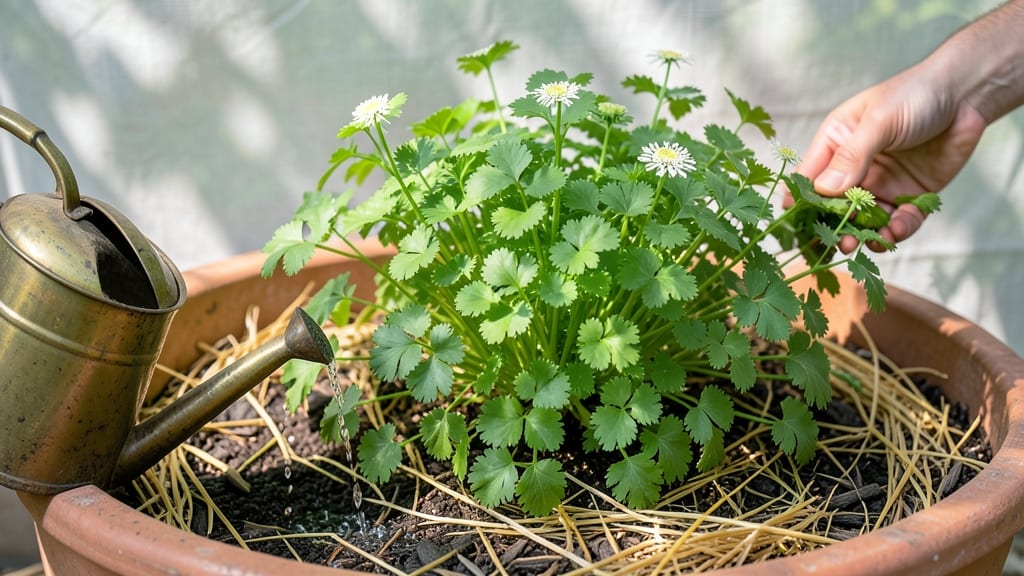
How to keep cilantro growing all summer—it’s the trick everyone forgets, but the neem oil barrier method actually works. Cilantro hates summer heat—it bolts, wilts, and attracts root pests that turn your plants into sad, stringy ghosts. 🌿 I’ve lost more cilantro batches than I’d admit, but this neem oil barrier trick finally keeps mine thriving through the hottest months. The secret? A simple soil treatment that blocks pests before they even notice your plants.
Most people give up because they don’t realize cilantro’s struggles are 90% preventable. Too much sun? Add shade cloth. Dry soil? Water deeply at the base, not overhead.
But the real game-changer? A weekly neem oil spray on the soil surface—it creates a natural pest barrier without chemicals. Think of it like armor for your roots.
By mid-summer, you’ll have lush, pest-free cilantro that stays tender and flavorful. No more bolting, no more wilting—just fresh leaves ready for salsa or tacos whenever you want. The key is consistency: shade, water, and that neem oil barrier. Trust me, your taste buds will thank you.
This method works in containers, raised beds, or even in-ground gardens. Whether you’re growing cilantro for cooking or just love its bright green leaves, these steps will keep it happy all season long. Let’s get those plants protected!
📚 In This Guide
- What you need
- Instructions
- Tips and common mistakes
- Wrapping up and next steps
What you need
- ● Cilantro seeds or seedlings: Choose organic, heirloom, or bolt-resistant varieties (e.g., 'Santo' or 'Calypso') for better heat tolerance. Quantity: 1 packet (or 10-15 seedlings for transplanting).
- ● Containers: Well-draining pots (6-12 inches deep) or raised beds with drainage holes. Material: Terracotta, plastic, or fabric grow bags. Quantity: 1-2 per plant (or 1 large container for multiple plants).
- ● Potting mix: High-quality, organic, and lightweight mix (avoid garden soil). Recommendation: 50% peat moss/coco coir + 50% perlite or vermiculite. Quantity: 1-2 bags (5-10 cubic feet).
- ● Neem oil (organic): Pure, cold-pressed neem oil (100% organic). Quantity: 16 oz bottle (enough for 3-5 treatments).
- ● Horticultural oil or liquid soap: For emulsifying neem oil (e.g., Joy Organic Neem Oil Spray). Quantity: Small bottle (4-8 oz).
- ● Spray bottle: 16 oz with a fine mist nozzle (for neem oil application).
- ● Watering can or hose with gentle nozzle: Avoid over-saturating the soil.
- ● Pruning shears: Small, sharp scissors for harvesting and trimming.
- ○ Row covers or lightweight shade cloth (optional but helpful): 30-50% shade cloth to protect from extreme heat (1-2 yards).
- ● Compost or worm castings: For nutrient-rich soil (1-2 cups per container).
- ● Slow-release organic fertilizer: Balanced (e.g., 5-5-5) for a mid-season boost.
- ● Drip irrigation system: To keep soil consistently moist without overwatering.
- ● Reflective mulch (e.g., aluminum foil or white plastic): Place around containers to deter pests and retain moisture.
- ● Grow lights (LED or fluorescent): If growing indoors or in low-light areas.
Step-by-step instructions for protecting cilantro from root pests
Here's how I keep cilantro thriving all summer—no more bolting or disappearing roots.
🌱 Step 1: Plant Cilantro in Well-Draining Soil
Start with loose, fertile soil that drains well—cilantro hates soggy roots. I mix the 2 gallons of potting mix with 1 cup perlite to prevent compaction. The goal is soil that feels like a damp sponge when squeezed, not a wet brick. Plant seeds ¼ inch deep, spacing them 6 inches apart—this gives roots room to breathe and prevents overcrowding.
Water gently after planting, just enough to settle the soil around the seeds. Overwatering now can drown them before they sprout. I like to use a spray bottle for the first watering—it keeps the soil surface moist without displacing seeds.
✂️ Step 2: Apply Neem Oil Barrier After Germination
Wait until seedlings show their first true leaves (not the initial cotyledons) before applying neem oil. This timing ensures the barrier protects established roots, not just germinating seeds. Mix 1 tablespoon neem oil with 1 quart water and a ½ teaspoon mild liquid soap—the soap helps the oil stick to soil particles.
Pour the solution directly onto the soil surface, avoiding the leaves. The neem oil creates a natural barrier that repels root pests like aphids and cutworms while keeping beneficial microbes active. Reapply every 2 weeks or after heavy rain to maintain protection. You'll notice fewer chewed leaves and stronger stems within a week.
☀️ Step 3: Provide Partial Shade and Consistent Moisture
Cilantro bolts when stressed by heat or dryness. I place my pots in morning sun only, moving them to shade by 10 AM to prevent wilting. The 2-gallon capacity of each pot helps maintain moisture—water when the top inch of soil feels dry, but never let it stay soggy. Overwatering triggers root rot, which neem oil can't prevent.
Mulch with 1 inch of straw to lock in moisture and keep roots cool. This simple step reduces watering frequency by 30% while preventing soil crusting that chokes young plants. Check mulch weekly—if it dries out, add a thin layer of water to rehydrate it.
💧 Step 4: Fertilize Lightly and Harvest Regularly
Feed cilantro with ½ teaspoon fish emulsion diluted in 1 gallon water every 4 weeks. Too much fertilizer causes rapid growth that attracts pests—neem oil won't protect against over-fertilized plants. Always water before applying fertilizer to prevent root burn.
Harvest leaves by snipping the outer stems when they reach 3 inches tall. This encourages bushier growth and prevents bolting. I harvest in the morning after dew dries—leaves taste freshest then. Never cut more than ⅓ of the plant at once, or you'll shock it into flowering.
🪴 Step 5: Rotate Pots Weekly for Even Growth
Cilantro grows toward light, so I rotate pots ¼ turn weekly to prevent lopsided plants. This ensures all sides get equal sun exposure. Check the bottom of pots for root growth—if roots circle the edges, it's time to transplant to a 3-gallon container. Crowded roots invite pests that neem oil can't fully suppress.
At the end of summer, I replace the top 2 inches of soil with fresh potting mix to refresh nutrients. This simple swap extends the season by 4-6 weeks without replanting. Store harvested seeds in a paper envelope in the fridge for next year's crop.
Tips & tricks for extending cilantro's summer growth
Here's what nobody tells you about keeping cilantro thriving when the heat arrives.
Soil Temperature Matters: The key to preventing bolting isn't just about shade—it's about keeping those roots cool. I've found that using black plastic pots actually works better than terracotta in summer. The dark surface absorbs heat, but the roots stay cooler because the soil mass doesn't get as hot. Plus, black pots help prevent soil evaporation, so you'll water less frequently. Just make sure to place them on pot feet or bricks to improve airflow around the roots.
Watering Technique That Changed Everything: I used to water cilantro like any other herb—from above. Then I realized the real secret is mimicking natural rainfall patterns. Instead of pouring water directly on leaves (which causes scorching), I now use a spray bottle with a fine mist setting for the foliage and reserve the watering can for deep root watering. This keeps leaves cool while maintaining that critical soil moisture. The spray bottle also helps wash away any dust that might block sunlight.
Neem Oil Application Hack: When applying the neem oil barrier every 7-10 days, I've discovered a little trick that makes it even more effective. After spraying, I gently brush the leaves with a soft paintbrush to ensure complete coverage—especially on the undersides where pests love to hide. This extra step creates an even stronger protective barrier. I also like to apply the neem oil in the late afternoon when temperatures are cooling down, which reduces the chance of any potential leaf burn from the oil's natural compounds.
Harvesting Timing Secret: The best time to harvest isn't just morning—it's right after watering in the morning. The leaves are at their peak crispness and flavor because they've had all night to recover from any heat stress. I've noticed that harvesting at this exact time also seems to trigger faster regrowth. After harvesting, I give the plant a light misting with water to help it recover quickly, especially during hot weather when evaporation happens fast.
Pro Tips for Keep Cilantro Growing All Summer
- Here's what nobody tells you about keeping cilantro thriving when the heat arrives.
- Soil Temperature Matters: The key to preventing bolting isn't just about shade—it's about keeping those roots cool.
- Watering Technique That Changed Everything: I used to water cilantro like any other herb—from above.
Frequently asked questions
about keeping cilantro thriving all summer—because nobody wants to say goodbye to that fresh, zesty flavor too soon!Why does my cilantro bolt (go to seed) so fast in summer?
Cilantro bolts due to heat stress—temperatures above 80°F (27°C) trigger flowering. To slow it down, provide afternoon shade (like a sheer curtain or dappled shade from nearby plants) and keep soil moist but not soggy. Varieties like 'Slow Bolt' or 'Santo' are more heat-tolerant.
How often should I apply the neem oil barrier for root pests?
Apply neem oil every 2–3 weeks as a preventive spray to soil (diluted per label instructions) or mix it into the irrigation water. Focus on the base of the plant where pests like aphids or fungal gnats lurk. Pro tip: Do this in the early morning or evening to avoid harming beneficial insects.
Can I grow cilantro in containers all summer long?
Yes! Use 5–7 gallon containers with drainage holes and a well-draining potting mix (add perlite or sand for aeration). Place pots in partial shade during peak heat and move them to morning sun. Water containers daily in extreme heat—cilantro hates drying out but also dislikes "wet feet."
What’s the best way to harvest cilantro without killing the plant?
Snip leaves from the outer stems with clean scissors, leaving the inner growth intact. Avoid cutting more than 1/3 of the plant at once. For a continuous harvest, pinch off flowers as soon as they appear—this redirects energy to leaf growth. Bonus: Harvest in the morning for the freshest flavor!
If my cilantro bolts, can I still use the leaves or seeds?
Leaves
are still edible but may taste slightly bitter—harvest them quickly before the plant fully flowers. Once seeds form, let them dry on the plant (they’re coriander!) and save them for spice blends. If you’re done with the plant, pull it and replant with basil or dill—they thrive in similar conditions.
What’s a quick fix if my cilantro turns yellow or wilted?
Yellow leaves often mean overwatering or nutrient deficiency. Let the soil dry slightly between waterings and fertilize lightly with a balanced liquid fertilizer (10-10-10) every 4–6 weeks. Wilting? Check for underwatering or root pests—give it a deep watering and inspect the roots for damage.
Wrapping up and next steps
Keeping cilantro thriving all summer is totally doable with the right care—especially by using a neem oil barrier to fend off those pesky root pests! 🌱 With consistent watering, shade protection, and a little preventive maintenance, you’ll enjoy fresh, vibrant cilantro straight from your container garden until fall. Your kitchen (and taste buds) will thank you!
Ready to harvest and savor? Start by snipping leaves as needed and experimenting with cilantro in your favorite dishes. Happy growing—your summer garden adventure is just beginning! 🌿✨