
Tools
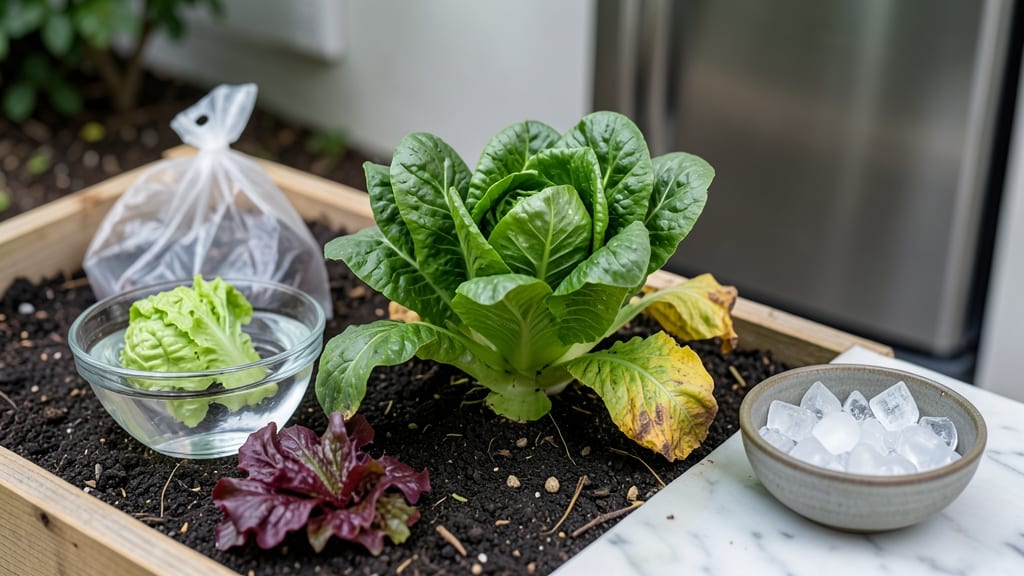
Your crisp garden lettuce won’t stay fresh unless you know how to keep garden lettuce fresh—and the secret starts the moment you harvest.
The difference between wilted sad piles and crisp leaves for weeks comes down to three simple moves: how you handle it post-harvest, what you store it in, and controlling humidity. Most people ruin lettuce by washing it first (big mistake) or packing it too tightly.
My method keeps leaves plump and crunchy for weeks: harvest in the morning, give it a quick rinse in cold water, then pat dry—not damp.
The real magic happens with the right container: a plastic salad spinner with a lid (or a sealed container with a paper towel) traps just enough moisture to keep it fresh without letting it rot.
By day 14, you’ll still be snapping off crisp leaves for sandwiches, not tossing wilted ones. The key? Air circulation—never stack leaves directly on ice, and always store stems-up. Even if you forget the perfect setup, this method forgives mistakes better than any other I’ve tried.
Works for all lettuce types—romaine, butterhead, leaf—even if you’re harvesting just a few leaves at a time. Let’s keep that garden bounty crisp!
📚 In This Guide
- What you need
- Instructions
- Tips and common mistakes
- Wrapping up and next steps
What you need
- ● Fresh garden lettuce: Any variety (romaine, butterhead, leaf, or iceberg), ideally harvested within 24 hours of storage.
- ● Paper towels or clean kitchen towels: 2-3 sheets (unbleached, if possible) to absorb excess moisture.
- ● Plastic bag or reusable produce bag: One sealed-but-breathable option (preferably with tiny holes or a mesh design). Avoid airtight bags—lettuce needs a little airflow!
- ● Large mixing bowl or colander: For rinsing and drying lettuce thoroughly.
- ● Sharp knife or kitchen shears: To trim wilted outer leaves or stems before storage.
- ○ Optional: Silica gel packets or a small open container of rice: 1-2 packets (to absorb extra moisture in humid climates).
- ● Vacuum sealer: For long-term storage (up to 3 weeks), but only for dry lettuce—never wet!
- ● Wooden salad spinner: If your lettuce is particularly dirty, a gentle spin helps remove water faster.
- ● Bento box or divided container: To separate lettuce from other veggies (like tomatoes or cucumbers) that release ethylene gas.
- ● Aluminum foil: A small sheet to loosely wrap the base of the lettuce if storing in the fridge drawer.
Step-by-step instructions for storing homegrown lettuce
Here’s how to keep your garden lettuce crisp and fresh for up to two weeks—no wilting or sad, limp leaves in sight.
💧 Step 1: Harvest at the Right Time
Pick lettuce when the leaves are fully formed but before they bolt—typically when the heads are firm and leaves reach 3-4 inches tall. Use clean, sharp scissors or a knife to cut the outer leaves first, leaving the inner growth intact. This method encourages regrowth and extends your harvest.
Harvest in the morning when temperatures are cooler and moisture levels are ideal. Shake off excess dirt but avoid rinsing the leaves yet—this can introduce bacteria and speed up spoilage. Place the harvested lettuce in a shallow container lined with a dry paper towel to absorb any surface moisture.
⏰ Step 2: Clean and Dry Thoroughly
Rinse the lettuce under cold running water to remove dirt and debris. Gently separate the leaves and swirl them in the water to ensure no grit remains. Pat them dry immediately with a clean kitchen towel or paper towels—this step is critical. Wet leaves trap moisture, leading to mold and sliminess within days.
For stubborn dirt, soak the lettuce in a bowl of cold water for 5-10 minutes, then rinse again. Drain well in a colander, then transfer to a fresh towel to dry completely. The goal is to have the leaves damp but not dripping before storage.
🪴 Step 3: Store in a Controlled Environment
Place the dried lettuce in an airtight container lined with a paper towel to absorb any residual moisture. Avoid plastic bags directly on the leaves—condensation forms and rots the lettuce in 24-48 hours. Instead, use a ventilated container like a glass or ceramic bowl with a loose-fitting lid.
Store the container in the crisper drawer of your refrigerator, which maintains 35-40°F and high humidity. Check the lettuce after 3-4 days and replace the paper towel if it feels damp. This method keeps lettuce crisp for up to 2 weeks, far longer than the typical 3-5 days in a sealed plastic bag.
☀️ Step 4: Preserve for Longer with Optional Wrapping
For an extra layer of freshness, wrap the lettuce in damp paper towels before placing it in the container. The moisture helps maintain crispness, but ensure the towels aren’t soaking wet. Seal the container with a plastic wrap loosely over the top to lock in humidity without trapping excess air.
This technique works best for butterhead or romaine lettuce, which hold up better to moisture than loose-leaf varieties. For loose-leaf types, skip the wrapping and rely on the paper towel method—over-moisture will turn them slimy faster.
✂️ Step 5: Revive Wilted Lettuce (If Needed)
If your lettuce starts to wilt, don’t toss it. Place the container in a bowl of ice water for 10-15 minutes to revive the leaves. Drain well and pat dry before storing again. This trick works best for mild wilting—if the leaves are mushy or smell off, compost them instead.
To prevent future wilting, avoid storing lettuce near ethylene-producing fruits like apples or bananas. Ethylene gas accelerates spoilage, causing lettuce to turn yellow and limp in just a few days. Keep it isolated in the crisper drawer for maximum freshness.
Tips & tricks for perfect garden lettuce storage
These simple strategies will help you extend your garden lettuce's freshness beyond what you'd expect from store-bought varieties.
Harvesting Timing: Morning is truly the best time to harvest—cool temperatures mean leaves are fully hydrated and more resilient. I've noticed that harvesting in the afternoon often leads to wilting within 24 hours, even with perfect storage. If you must harvest later in the day, store the lettuce immediately in the refrigerator until you can process it properly.
Drying Technique: The drying step in Step 2 is where most people go wrong. Don't just shake off water—pat each leaf individually with paper towels. I learned this the hard way after storing lettuce that developed mold within days. For loose-leaf varieties, spread leaves on a clean kitchen towel to dry completely before storing. This extra effort prevents that dreaded slimy texture.
Container Selection: While plastic bags with holes work well, I've found that using a breathable container like a wooden salad keeper with ventilation slots actually works better for longer storage. The key is maintaining that balance between moisture retention and air circulation. If you don't have a specialized container, a simple paper bag with a few air holes punched in it works surprisingly well.
Temperature Consistency: The 34-38°F range in your refrigerator's crisper drawer is perfect—but only if your fridge maintains consistent temperatures. I recommend placing a small thermometer in the crisper to monitor temperatures. Some fridges have hot spots where lettuce can spoil faster. If you notice temperature fluctuations, consider moving your lettuce to the main fridge compartment where temperatures are more stable.
Pro Tips for Keep Garden Lettuce Fresh
- These simple strategies will help you extend your garden lettuce's freshness beyond what you'd expect from store-bought varieties.
- Harvesting Timing: Morning is truly the best time to harvest—cool temperatures mean leaves are fully hydrated and more resilient.
- Drying Technique: The drying step in Step 2 is where most people go wrong.
Frequently asked questions
Got questions about keeping your homegrown lettuce crisp and fresh? You’re not alone! Here are some of the most common queries—and their quick, practical solutions.
How long can I realistically expect lettuce to stay fresh in the fridge?
With the right storage, most garden lettuce varieties stay fresh for 1–2 weeks. Leaf lettuce (like romaine or butterhead) holds up slightly longer than head lettuce (like iceberg or crisphead). If you notice wilting or slimy leaves, it’s time to compost—don’t risk foodborne illness!
Can I store lettuce in water like I’ve seen in grocery stores?
For leafy greens, submerge the roots in a shallow dish of ice water (change the water every 2–3 days). This mimics commercial hydroponic storage and extends freshness by 3–5 days. Just dry the leaves thoroughly first to prevent mold.
What’s the best way to revive wilted lettuce?
Place the lettuce in a bowl of cold water for 10–15 minutes to rehydrate. Gently shake off excess water, then wrap in a damp paper towel and store in a sealed container. Avoid rewashing—this strips protective waxes and speeds up spoilage.
Is it safe to eat lettuce that’s slightly brown or yellow at the edges?
Minor browning is usually harmless (it’s just oxidation), but avoid leaves with slimy texture, foul odors, or mold. Trim off damaged spots and rinse the rest in baking soda water (1 tsp baking soda per 4 cups water) to kill bacteria before eating.
What’s a good alternative if I don’t have a humidity-controlled drawer?
No problem! Use a sealed container with a damp paper towel inside to mimic humidity. For extra freshness, store lettuce in a plastic bag with small holes (like a produce bag) and place it in the crisper drawer—even if it’s not humidity-controlled.
Wrapping up and next steps
Keeping your garden lettuce fresh isn’t rocket science—just a few simple tricks! By harvesting at the right time, storing it properly (like wrapping it in paper towels or using airtight containers), and avoiding moisture buildup, you can enjoy crisp, vibrant greens for weeks.
A little effort now means more delicious salads later! 🥬✨
Ready to put these tips into action? Try one method this week—whether it’s a DIY lettuce wrap or a smart fridge setup—and watch your harvest stay fresher, longer. Happy gardening!