
Shrubs
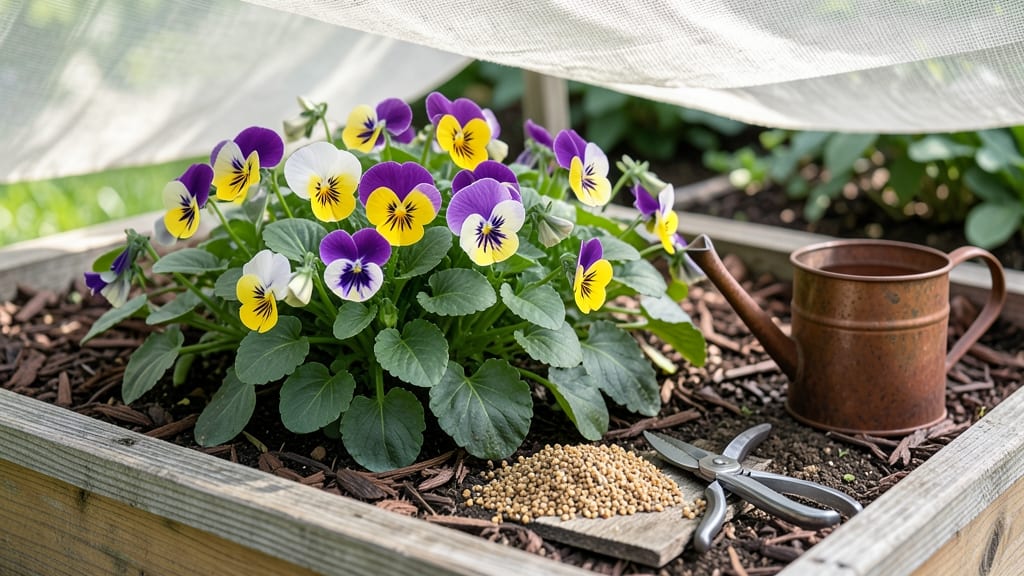
How to keep pansies flowering like they’ve never stopped? 🌸 That’s the magic of deadheading and feeding—two simple tricks that turn a single burst of color into months of nonstop flowers. I’ve watched my pansies go from looking tired by spring to putting on a show through frost, and the secret isn’t complicated: it’s about timing, tools, and a little extra care when they need it most.
The real game-changer is deadheading—the act of snipping off spent blooms before they form seed pods. Do this every 3-4 days during peak bloom, and your plants will redirect energy into new flowers instead of seeds.
Pair that with a balanced fertilizer (10-10-10 works great) every 2-3 weeks, and you’ll see a second wave of blooms that rivals the first. Most gardeners skip this step, which is why pansies often fizzle out after just a few weeks.
By late summer, when heat stresses them, switch to shade cloth and morning watering to keep roots cool. In fall, a light mulch layer protects them from temperature swings, and they’ll reward you with winter blooms that brighten gray days.
The key is staying consistent—no skipping deadheading, no letting soil dry out completely, and no heavy feeding once temperatures drop.
This method works for both in-ground pansies and container plantings, and it’s the reason my neighbors keep asking where I get my “magic flowers.” The best part?
You’ll end up with plants that look newer and fuller every time you walk by, not the sad, leggy specimens most people give up on by June.
📚 In This Guide
- What you need
- Instructions
- Tips and common mistakes
- Wrapping up and next steps
What you need
- ● Pruning shears or sharp scissors – Clean, sharp blades (avoid dull tools that crush stems).
- ● Gloves – Garden or work gloves (to protect hands from thorns or dirt).
- ● Balanced fertilizer – 10-10-10 or 20-20-20 NPK ratio (½ to 1 tsp per plant, diluted in water).
- ● Watering can or hose with a gentle nozzle – For even moisture delivery (avoid soaking the foliage).
- ○ Deadheading tool (optional but helpful) – A small, lightweight pair for quick trims.
- ● Healthy pansies – Plants with no signs of disease (yellow leaves, spots, or wilting).
- ● Well-draining soil – Pansies thrive in moist but not soggy conditions (amend clay soil with compost).
- ● Partial shade to full sun – 6+ hours of sunlight daily (adjust for hot climates).
- ● Consistent watering schedule – Water at the base, 1–2 inches per week (more in heat).
- ● Slow-release fertilizer granules – Granular 14-14-14 for long-term nourishment (sprinkle around plants every 6–8 weeks).
- ● Mulch (straw or shredded bark) – 1–2 inches thick to retain moisture and suppress weeds.
- ● Epsom salt (magnesium sulfate) – 1 tbsp per gallon of water (boosts blooms, especially in magnesium-deficient soil).
- ● Compost tea or fish emulsion – For an organic nutrient boost (use every 4–6 weeks).
Step-by-Step instructions for keeping pansies in continuous bloom
Here’s the method I’ve used for years to turn one season of pansy color into months of nonstop blooms—no fancy tricks, just consistent care.
🌿 Step 1: Deadhead Regularly to Encourage New Blooms
Pinch off spent flowers the moment they fade—this prevents seed formation and redirects the plant’s energy into producing fresh blooms. I use my thumb and forefinger to gently twist off the entire flower stem, including the small green seed pod at the base. If you wait until flowers turn brown, you’ll miss the prime window for new growth.
Watch for buds that haven’t opened yet—these are your next blooms. By removing only fully spent flowers, you’ll see new ones emerge within 7-10 days. I deadhead mine every 2-3 days during peak bloom season (spring and fall), but even weekly check-ins keep pansies flowering longer than most gardeners expect.
💧 Step 2: Water Deeply at the Base to Avoid Stress
Pansies need 1 inch of water per week, but shallow watering encourages weak stems and attracts pests. Water directly at the soil line in the early morning so leaves dry quickly—this prevents fungal diseases like powdery mildew. I use a watering wand to avoid disturbing the stems, and I always check the soil 1 inch down before watering again.
Overhead watering wets the flowers, which can lead to brown petals and a messy garden bed. If your pansies start looking droopy, that’s your signal to water deeply. They’ll perk up within a few hours, but if they stay wilted, the roots may be struggling from either too much or too little moisture.
☀️ Step 3: Feed Every 3-4 Weeks for Strong, Long-Lasting Blooms
Use a balanced, water-soluble fertilizer (like 10-10-10) diluted to half-strength every 3-4 weeks during the growing season. I mix it in a spray bottle and apply it in the early morning so the leaves have time to dry before evening. This prevents leaf burn and gives the plants a steady nutrient supply without overwhelming them.
Stop fertilizing in late summer if your pansies are going dormant—too much food at the wrong time stresses them. Instead, focus on keeping the soil moist and removing any yellowing leaves. In fall, when cooler temps return, a light feeding (half the usual strength) can extend blooming into winter in mild climates.
✂️ Step 4: Trim Leggy Stems to Keep Plants Compact
If your pansies stretch tall and spindly, they’re reaching for light. Use clean pruning shears to cut back one-third of the tallest stems to encourage bushier growth. I make the cut just above a set of leaves or a side bud—this is where new growth will sprout. Avoid cutting into woody stems, as pansies are tender perennials that won’t regrow from old wood.
This step is especially important after heavy rain or if your plants are in partial shade. A little pruning now means denser foliage and more flowers later. You’ll notice new side shoots within 5-7 days, and the plant will look fuller and more vibrant. Just don’t overdo it—prune only what’s necessary to maintain shape.
🪴 Step 5: Protect from Harsh Conditions to Extend the Season
Pansies tolerate cold better than heat, so in summer, provide afternoon shade if temperatures rise above 85°F. I use a lightweight shade cloth (30-50% coverage) to filter the sun without blocking airflow. In winter, a thin layer of mulch (like straw) insulates roots and keeps soil temperatures stable, which helps pansies survive light frosts.
If your pansies start to decline in summer, don’t give up—many varieties (like 'Matrix' or 'Majesty') rebloom beautifully in fall. Just keep them well-watered, deadhead faithfully, and they’ll reward you with another round of color when temps drop. With this care, you’ll enjoy pansies from early spring through late fall—or even winter in cooler zones.
Tips & tricks for nonstop pansy blooms
These small but powerful tricks will help you turn your pansies into a year-round garden star—without extra effort.
Timing is Everything in Step 1: The 2-3 day deadheading schedule during peak bloom isn't arbitrary—it matches pansies' natural growth cycle. Remove faded blooms when the petals start to curl but before they brown. This creates a perfect balance: enough time for new buds to form (7-10 days) without letting the plant waste energy on seed production. I've seen pansies that were deadheaded weekly still produce flowers, but the 2-3 day interval gives you the most dramatic results.
Watering Wisdom for Step 2: That 1 inch of water per week measurement assumes average conditions, but your pansies might need more during heatwaves or less in rainy periods. Test soil moisture by sticking your finger 1 inch down—if it feels dry, water deeply at the base. The early morning timing isn't just about preventing fungal diseases; it also gives leaves time to dry completely before evening humidity sets in, which is when powdery mildew typically takes hold.
Fertilizer Finesse in Step 3: The half-strength dilution of 10-10-10 fertilizer might seem weak, but pansies are sensitive to salt buildup from concentrated fertilizers. I've learned this the hard way—over-fertilizing causes leaf burn and actually reduces flowering. The early morning application time prevents leaf burn by allowing any residual moisture to evaporate before the sun peaks. In fall, that light feeding at half-strength gives just enough nutrients to stimulate new growth without overstimulating tender plants before winter.
Pruning Precision in Step 4: When you're cutting back those leggy stems, focus on making clean cuts just above a leaf node or side bud—this is where new growth will emerge. I've found that cutting back one-third of the tallest stems is the sweet spot: enough to encourage bushier growth without shocking the plant. The 5-7 day window for new shoots to appear gives you a clear benchmark to judge whether your pruning was effective. If you don't see new growth within this time, you might have cut too aggressively.
Pro Tips for Keep Pansies Flowering
- These small but powerful tricks will help you turn your pansies into a year-round garden star—without extra effort.
- Timing is Everything in Step 1: The 2-3 day deadheading schedule during peak bloom isn't arbitrary—it matches pansies' natural growth cycle.
- Watering Wisdom for Step 2: That 1 inch of water per week measurement assumes average conditions, but your pansies might need more during heatwaves or less in rainy periods.
Frequently asked questions
about keeping pansies blooming year-round—because every gardener deserves a showstopper display!Why do my pansies stop flowering in hot weather?
Pansies naturally slow down in extreme heat (above 75°F/24°C) to conserve energy. They’ll rebound when temps dip. For summer blooms, provide afternoon shade, mulch to keep roots cool, and water deeply at the base to avoid stress. Pro tip: Choose heat-tolerant varieties like 'Matrix' or 'Cool Wave' for longer seasons!
How often should I deadhead pansies?
Deadhead every 2–3 days during peak bloom (spring/fall) to encourage new flowers. In mild winters, reduce to weekly. Use clean scissors or pinch spent blooms by hand—no need to cut stems! Warning: Avoid over-pruning; leave at least 2–3 leaves per stem to keep the plant energized.
Can I use coffee grounds or eggshells as fertilizer?
Yes! Coffee grounds (used, composted) add nitrogen, while crushed eggshells provide calcium. Mix 1 cup of each per 10 sq ft into soil monthly. For faster results, pair with a balanced 10-10-10 fertilizer every 4–6 weeks. Bonus: Eggshells also deter pests like slugs!
What’s the best way to revive leggy pansies?
Leggy growth = too little light or overcrowding. Trim stems back by ⅓ to encourage bushier growth, then move plants to 4–6 hours of sunlight daily. Thin overcrowded areas by spacing plants 6–8 inches apart. Fertilize lightly with a high-phosphorus feed (like 5-10-5) to boost blooms.
Are pansies annuals or perennials in my climate?
Pansies are cool-season annuals in warm zones (USDA 7+) but short-lived perennials in colder regions (USDA 3–6). In mild winters, they’ll rebloom if protected from frost. In hot climates, treat them as spring/fall stars—sow new seeds in late summer for fall color!
| Quick Fixes | When to Use |
|---|---|
| Deadhead daily | Peak bloom (spring/fall) |
| Move to partial shade | Afternoon heat waves |
| Fertilize with fish emulsion | Every 2 weeks in active growth |
| Mulch with straw | Winter protection |
Wrapping up and next steps
Keeping your pansies blooming beautifully is all about consistent care—deadheading spent flowers, feeding them regularly, and giving them the right growing conditions. With a little effort, you’ll enjoy nonstop color from spring to frost! 🌸
Ready to keep your pansies thriving? Start today by grabbing your pruners, checking their soil, and giving them a nutrient boost. Your garden will thank you with stunning, long-lasting blooms all season!