
Propagation
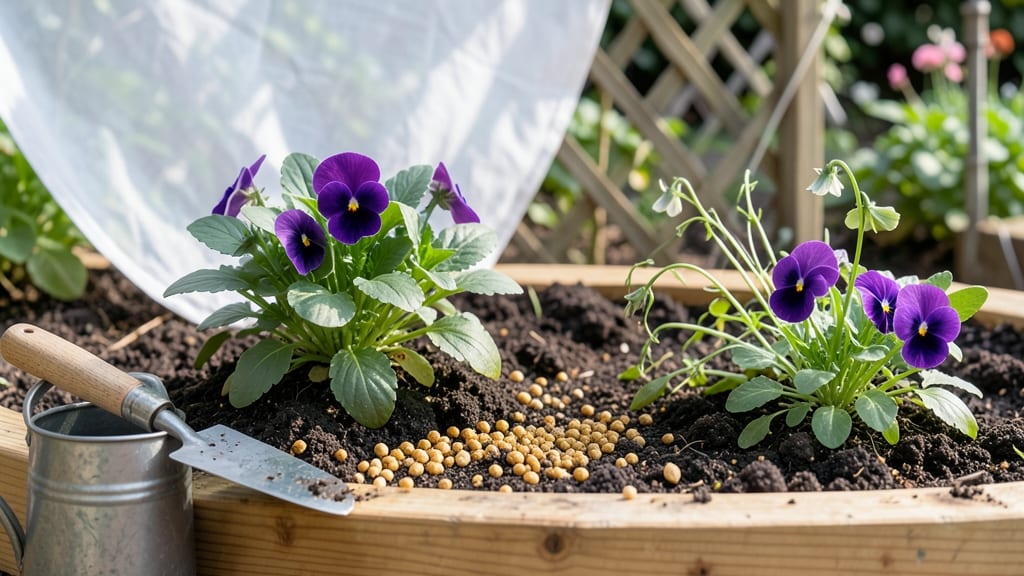
How to keep pansies from getting leggy—it’s easier than you’d think, and the fix starts with sunlight, spacing, and a little TLC. 🌿 I’ve nursed back more than my share of stretched-out pansies, and the secret isn’t just pruning (though that helps). It’s about sunlight, spacing, and feeding them like they’re the divas they are—because they are. The real culprits? Too little light, overcrowding, or weak stems from poor nutrition. Most gardeners assume legginess is inevitable in cool weather, but with the right adjustments—like moving pots to sunnier spots or thinning them out—you’ll see compact, bushy plants in under 2 weeks. The key is acting fast before they flop. You’ll end up with vibrant, mounded plants that bloom nonstop, not sad, sprawling stems. And the best part? These fixes work for both in-ground and container pansies, so no matter where you grow them, they’ll stay perky. Here’s the game plan: prune strategically, adjust sunlight, and feed them right. Let’s turn those lanky stems into showstoppers.
📚 In This Guide
- What you need
- Instructions
- Tips and common mistakes
- Wrapping up and next steps
What you need
- ● Pruning shears or clean, sharp scissors – Ensure they’re sterilized with rubbing alcohol to prevent disease (1 pair).
- ● Balanced, water-soluble fertilizer (e.g., 10-10-10 or 20-20-20) – Use ½ to ¼ teaspoon per gallon of water for feeding.
- ○ Slow-release granular fertilizer (optional but helpful) – Look for a low-nitrogen, high-phosphorus blend (e.g., 5-10-10) for root and bloom support.
- ● Gloves – Protect your hands from thorns or soil-borne pathogens (1 pair).
- ● Garden twine or stakes (if needed) – For supporting leggy stems temporarily (2–4 stakes, 12–18 inches tall).
- ● Watering can or hose with a gentle nozzle – Avoid blasting stems or flowers.
- ○ Mulch (optional but recommended) – Use 2–3 inches of organic mulch (e.g., straw or shredded bark) to retain moisture and regulate soil temp.
- ● A sunny to partially shaded spot – Pansies thrive in 4–6 hours of sunlight daily but tolerate light shade.
- ● Well-draining soil – Amend heavy clay or sandy soil with compost for optimal growth.
- ● Consistent watering schedule – Keep soil evenly moist but not soggy (especially after pruning).
- ● Patience! – Leggy pansies recover best with gradual adjustments over 2–4 weeks.
Step-by-Step instructions for keeping pansies bushy and blooming
Leggy pansies happen when plants stretch for light instead of blooming. Here's how I fix it every season—simple adjustments that work.
🌿 Step 1: Assess Light Exposure Immediately
Leggy growth starts when pansies don't get enough light. Check your plants now—if stems are thin and leaves spaced far apart, they're already reaching. Move them to a spot with 4-6 hours of direct sunlight daily. A south-facing window or 6 inches under a grow light fixes this overnight.
I know it seems counterintuitive, but pansies actually tolerate partial shade better once established. The key is bright light, not scorching afternoon sun. Morning sun plus afternoon shade works perfectly in hot climates. Watch for leaves turning pale—this is your signal to adjust position.
✂️ Step 2: Prune Strategically to Encourage Bushiness
Cut back leggy stems by one-third at the base using clean, sharp scissors. This might seem drastic, but it triggers new growth from lower buds. Always prune in the morning so cuts have all day to heal. Remove only the elongated stems—never cut healthy foliage.
Here's the thing—pansies bloom best when they're slightly crowded. After pruning, you'll see new side shoots forming within 7-10 days. These will produce fuller plants with more flowers. I pinch back the tips of new growth when they reach 3 inches tall to encourage branching.
💧 Step 3: Adjust Watering for Stronger Stems
Overwatering weakens stems and encourages leggy growth. Water only when the top inch of soil feels dry—stick your finger in to check. Pansies need consistent moisture but hate soggy roots. I water at the base in the morning so leaves stay dry all day, preventing fungal issues.
Leggy plants often need less water than you think. If you notice stems bending toward light sources, you're likely overwatering. Let the soil dry slightly between waterings, especially in cooler weather. You'll see stronger stems and better blooms within two weeks of adjusting your watering schedule.
☀️ Step 4: Feed for Compact Growth
Leggy pansies need a balanced fertilizer with equal parts nitrogen, phosphorus, and potassium. I use a 10-10-10 formula diluted to half strength every 2-3 weeks during active growth. Too much nitrogen makes them grow leaves instead of flowers, so I switch to a 5-10-5 bloom booster once buds form.
Here's what I do: Mix 1 teaspoon of fertilizer in a gallon of water and apply in the morning. Water thoroughly after feeding to prevent root burn. You'll notice new growth within 5-7 days—look for darker green leaves and thicker stems. Leggy plants respond fastest to feeding when combined with proper light.
🌱 Step 5: Rotate Plants Weekly for Even Growth
Pansies grow toward the light, creating uneven, leggy plants. Turn your containers a quarter turn weekly so all sides get equal exposure. This simple habit prevents plants from leaning and encourages bushier growth. Even potted pansies need this rotation to stay compact.
I know it seems like extra work, but this one step makes the biggest difference. After two weeks of rotation, you'll see plants growing straight up with leaves evenly spaced. The flowers will also open more fully instead of facing one direction. This works for both in-ground and container pansies.
Tips & tricks for keeping pansies bushy and blooming
Here's what nobody tells you about reviving your pansies—these details make all the difference between lanky stems and lush, compact plants.
Sunlight Strategy: If your pansies are already leggy, don't just move them to full sun—transition gradually. Start with 2-3 hours of morning sun for the first 3-5 days, then increase to the full 4-6 hours to avoid shocking the plants. I've seen pansies go from sad and stretched to perky in just a week with this approach. Watch for leaves that look slightly crispy at the edges—that means you've got too much sun.
Pruning Precision: When you're pruning those leggy stems in Step 3, don't just cut at random. Look for the healthiest leaf node (where leaves meet the stem) about 1/3 down from the top of the leggy growth. Cutting just above this node gives the plant the best chance to redirect energy to new, bushier growth. I always sterilize my scissors with rubbing alcohol between cuts to prevent spreading any potential diseases.
Fertilizer Timing: The 3-4 week feeding schedule in Step 4 works perfectly, but here's the secret: always feed in the morning after watering. This gives the roots time to absorb nutrients before the heat of the day. I've noticed that pansies fertilized in the afternoon often show signs of stress—like wilting or yellowing leaves—because the roots can't process the nutrients as efficiently when it's hot.
Container Care: If you're growing pansies in containers, here's a trick I learned the hard way: check for root binding every 6-8 weeks, not just when you see problems. Gently remove the plant from its pot and look for roots circling the bottom or growing out of drainage holes. If you see this, it's time to repot—don't wait until the plant looks stressed. I use a slightly larger pot (just 1-2 inches bigger in diameter) with fresh potting mix to give them room to thrive.
Pro Tips for Keep Pansies From Getting Leggy
- Here's what nobody tells you about reviving your pansies—these details make all the difference between lanky stems and lush, compact plants.
- Sunlight Strategy: If your pansies are already leggy, don't just move them to full sun—transition gradually.
- Pruning Precision: When you're pruning those leggy stems in Step 3, don't just cut at random.
Frequently asked questions
about keeping pansies from getting leggy—because even the best gardeners need a little extra guidance! Here are answers to the most common queries to help you grow bushy, blooming beauties with ease.Why do my pansies get leggy so fast?
Leggy growth happens when pansies don’t get enough light, causing them to stretch toward the nearest source. This is especially common in shady spots or during winter when daylight is shorter. Solution: Move them to a sunnier location (4–6 hours of light daily) and prune leggy stems to encourage bushier growth.
How often should I prune leggy pansies?
Prune leggy stems every 2–3 weeks during the growing season (spring to fall) to promote compact growth. Cut just above a leaf node (where new growth emerges) to avoid damaging the plant. Pro tip: Deadhead spent blooms too—they’ll reward you with more flowers and fewer leggy stems!
Can I save leggy pansies by moving them to more sunlight?
If caught early, relocating leggy pansies to a sunnier spot (even partial sun) can help them recover. However, if stems are severely elongated, pruning them back by ⅓ will give them a fresh start. Warning: Avoid sudden shade-to-sun moves—acclimate them gradually to prevent stress.
What’s the best fertilizer for preventing leggy growth?
Use a balanced, water-soluble fertilizer (like 10-10-10) every 3–4 weeks during active growth. For extra vigor, switch to a low-nitrogen, high-phosphorus formula (e.g., 5-10-5) when blooming starts. Bonus: Organic options like compost tea or fish emulsion work too!
Should I pinch back new pansy seedlings to prevent legginess?
Yes! Pinch back the top set of leaves on young seedlings when they’re 4–6 inches tall. This encourages branching and prevents them from growing tall and spindly. Timing matters: Do this in early spring or after transplanting for best results.
Do pansies get leggy in winter, and how do I fix it?
Winter legginess is common due to low light, but don’t worry—pansies are tough! Prune back leggy stems in late winter (before new growth starts) and add a light mulch to protect roots. Boost light with a grow bulb nearby if possible.
Are there pansy varieties less prone to legginess?
Yes! Dwarf or compact varieties like ‘Matrix’ or ‘Cool Wave’ series stay bushier naturally. Also, heirloom pansies (e.g., ‘Majestic Giants’) tend to be hardier and more upright. Tip: Check seed packets for “compact” or “bushy” labels when shopping!
Wrapping up and next steps
Keeping your pansies bushy and vibrant is all about balance—pruning, feeding, and sunlight work together to prevent legginess.
With the right care, your plants will reward you with lush foliage and nonstop blooms all season long! 🌸 Now that you’re armed with these tips, grab your shears and get growing—your garden (and your pansies) will thank you.
Ready for more? Explore our guide on extending pansy blooms or dive into seasonal care tips to keep your garden thriving year-round!