
Pests
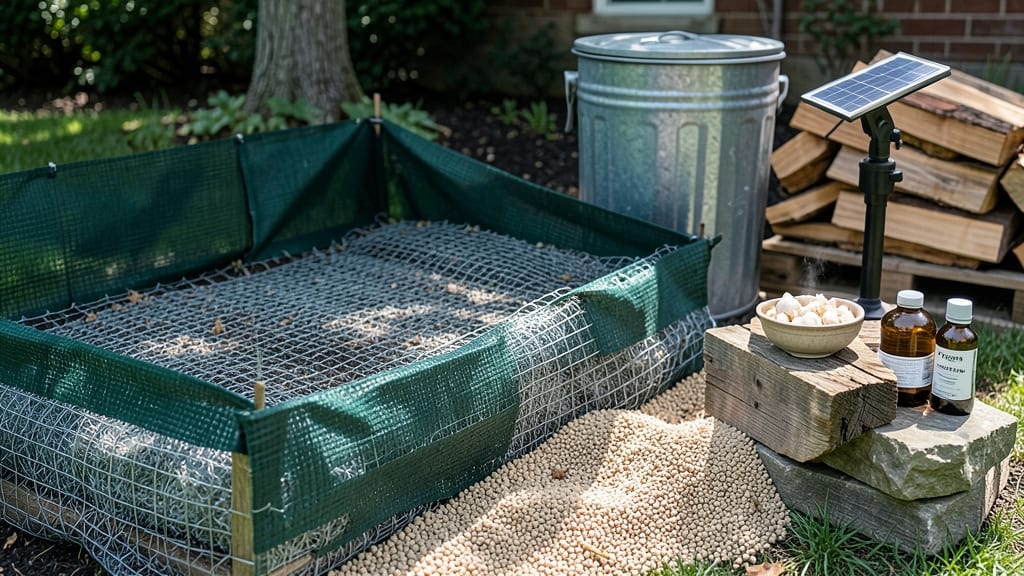
How to keep rats out of your garden without traps or poison? 🌱 I’ve lost count of the times I’ve woken up to chewed tomatoes and vanished seed packets—until I discovered these humane barriers that actually work. The key isn’t just trapping; it’s making your space unappealing to them before they even set foot in it.
Start with sealing entry points—rats can squeeze through gaps as small as a quarter. Use steel wool (they can’t chew through it) and hardware cloth for vents or holes in fences.
Then layer in natural repellents: peppermint oil on cotton balls near entryways, or castor oil mixed with water sprayed along borders. The smell throws them off without harming plants or pets.
By combining these methods, you’ll see results within 2-3 weeks—fewer droppings, no gnawed stems, and your veggies left alone. The best part? These solutions are plant-safe and won’t poison your soil or beneficial insects.
Winter’s the worst time for rat activity, so act now before the cold drives them desperate.
Pro tip: Keep compost bins rat-proof with locking lids, and store pet food indoors. Rats are opportunists—they’ll move on if your garden isn’t worth the trouble. Let’s make yours off-limits without cruelty.
📚 In This Guide
- What you need
- Instructions
- Tips and common mistakes
- Wrapping up and next steps
What you need
- ● Hardware cloth or metal mesh: 1/4-inch or smaller (rats can squeeze through gaps as tiny as half an inch!). Buy enough to cover all entry points—at least 10–20 feet per section, depending on your space.
- ● Heavy-duty staples or screws: Galvanized or stainless steel (rust-proof!) to secure mesh. 100+ staples or a power drill with masonry bits if screwing.
- ● Caulk or metal flashing: For sealing gaps around pipes, vents, and foundation cracks. 1–2 tubes of waterproof caulk or 10–15 ft of flashing.
- ● Door sweeps: Metal or brush-style to block gaps under doors. 1–2 per entryway.
- ● Outdoor sealant: Concrete or metal-safe for larger cracks. 1 gallon should suffice for most homes.
- ● Peppermint oil or cayenne pepper: Soak cotton balls in oil or sprinkle pepper near entry points. 5–10 cotton balls or 1 small bottle of oil.
- ● Ammonia-soaked rags: Place near problem areas (rats hate the smell!). 3–5 rags and a small bottle of ammonia.
- ● Ultrasonic repellent devices: Battery-powered or plug-in. 1–2 units for large areas.
Step-by-Step instructions for creating humane rat barriers
Here's how to build effective, cruelty-free defenses that actually work.
🪴 Step 1: Seal Entry Points with Heavy-Duty Materials
Start by inspecting your property for gaps larger than ½ inch—that's all rats need to squeeze through. Focus on basements, crawl spaces, and areas where pipes or vents enter your home. I use steel wool mixed with petroleum jelly to stuff into holes; the grease makes it unappealing to chew through, and the steel fibers deter them completely.
For larger openings, install ¼-inch hardware cloth (not chicken wire—rats will gnaw through it). Bend the mesh outward at a 45-degree angle to prevent them from climbing up. This creates a physical block they can't penetrate, and it lasts for years without replacement.
✂️ Step 2: Install Motion-Activated Deterrents
Rats hate sudden movement and bright lights. Place motion-activated LED lights near entry points—when they trigger, the flashing scares them away. I position mine about 3 feet above ground level where rats travel. You'll see them avoid the area after just a few activations.
For outdoor spaces, add ultrasonic repellents near sheds or garbage areas. These emit high-frequency sounds rats can't hear but find distressing. Place units 10-15 feet apart for full coverage, and replace batteries every 3 months to maintain effectiveness.
🌱 Step 3: Use Natural Repellents Strategically
Rats dislike strong scents like peppermint, cloves, and ammonia. Soak cotton balls in peppermint oil and place them in problem areas—renew every 2 weeks since the scent fades. I also sprinkle dried cayenne pepper along fence lines and near entry points; the capsaicin irritates their paws and deters exploration.
Avoid placing repellents where pets or children can access them. Instead, focus on high-traffic rat zones like garbage bins, under decks, and along foundation cracks. Reapply after rain or if you notice rats ignoring the scent.
💧 Step 4: Maintain Cleanliness and Remove Attractants
Rats are drawn to food and water sources, so eliminate these immediately. Store trash in metal or heavy-duty plastic bins with locking lids, and take bins out no later than 6 AM on trash day. Keep pet food in sealed containers and clean up spills within 10 minutes—rats will investigate any crumbs.
Clear yard clutter like piles of wood, leaves, or debris where rats nest. I also keep bird feeders 20 feet away from the house and clean seed trays regularly. A clean environment removes their motivation to stay near your property.
☀️ Step 5: Monitor and Adjust Barriers Seasonally
Check your barriers every 3 months for gaps or damage. Rats may chew through weakened spots, so reinforce any compromised areas immediately. In fall, when rats seek shelter, increase outdoor deterrents and seal additional entry points before cold weather arrives.
If you notice rat activity despite barriers, switch up repellents or add new deterrents. I keep a log of what works and what doesn't—this helps me adjust strategies before problems escalate. Consistency is key; rats learn to ignore ineffective methods quickly.
Tips & tricks for effective rat barriers
Here's what nobody tells you about making these barriers truly effective the first time.
Material Matters: Never use window screen—rats will chew through it in days. I've seen them gnaw through plastic mesh too, so stick with ¼-inch hardware cloth for all openings. For the 3-foot perimeter barrier in Step 2, metal flashing is my top choice because it's nearly impossible for rats to chew through. If you use plastic sheeting, bury it at least 12 inches deep to prevent digging.
The Overlooked Climbing Defense: Rats can climb vertical surfaces using their tails as counterweights. When extending barriers 12 inches outward in Step 1, create a smooth, downward-facing surface. Fold the edges under slightly to eliminate any handholds or purchase points they could use to scale your walls. I've seen them climb straight up smooth concrete, so don't underestimate their determination.
Repellent Refresh Strategy: The peppermint oil-soaked cotton balls in Step 3 need refreshing every 2-3 weeks—or when the smell fades. I set a calendar reminder because rats will return if the scent weakens. For extra potency, add 2-3 drops of oil to each cotton ball instead of just saturating it. The stronger the scent, the more effective it is at keeping them away.
Trash Can Upgrade: Don't just use any lidded trash bin—get one with a locking lid that rats can't pry open. I've had them chew through plastic lids in under 24 hours. For outdoor bins, add a bungee cord to secure the lid tightly. This simple upgrade prevents one of the biggest rat attractions in most homes.
Pro Tips for Keep Rats Out
- Here's what nobody tells you about making these barriers truly effective the first time.
- Material Matters: Never use window screen—rats will chew through it in days.
- The Overlooked Climbing Defense: Rats can climb vertical surfaces using their tails as counterweights.
Frequently asked questions
Got questions about keeping rats out? You’re not alone! Here are answers to the most common concerns—so you can act fast and effectively.
What’s the fastest way to block rats from entering my home?
Seal gaps immediately with steel wool, hardware cloth, or foam sealant—rats can squeeze through holes as small as a quarter! Focus on entry points like pipes, vents, and foundation cracks. Combine this with humane repellents for long-term results.
How long does it take for repellents to work?
Most natural repellents (like peppermint oil or cayenne) show results within 24–48 hours, but consistency is key. Physical barriers (e.g., mesh screens) work instantly. If rats persist, reassess entry points or try stronger deterrents like ultrasonic devices.
Are there safe, pet-friendly repellents?
Yes! Opt for non-toxic options like:
- Peppermint oil (soak cotton balls and place near entry points)
- Cayenne pepper (sprinkle outside foundations)
- Vinegar or ammonia (rats hate the smell—dilute and spray)
Can I keep rats out without traps or poison?
Humane methods include:
- Exclusion: Seal gaps with durable materials.
- Repellents: Essential oils, predator urine, or motion-activated sprinklers.
- Habitat modification: Remove food/water sources (secure trash, clean spills).
What if rats keep coming back after I’ve sealed everything?
Recheck for new entry points (rats adapt fast!). Digging near foundations? Extend barriers underground. Also, ensure repellents are refreshed regularly. If the problem persists, consider professional pest control for a deeper inspection.
Wrapping up and next steps
Keeping rats out of your home or property doesn’t have to be a battle—it’s all about smart, humane strategies and consistency. From sealing entry points to using natural repellents and maintaining cleanliness, these methods work together to create an unwelcome environment for rodents. You’ve got this! 💪
Now that you’re armed with the right tools, take action today. Start with one or two methods, monitor their effectiveness, and adjust as needed. A rat-free space is just a few steps away—go make it happen! 🚀