
Propagation
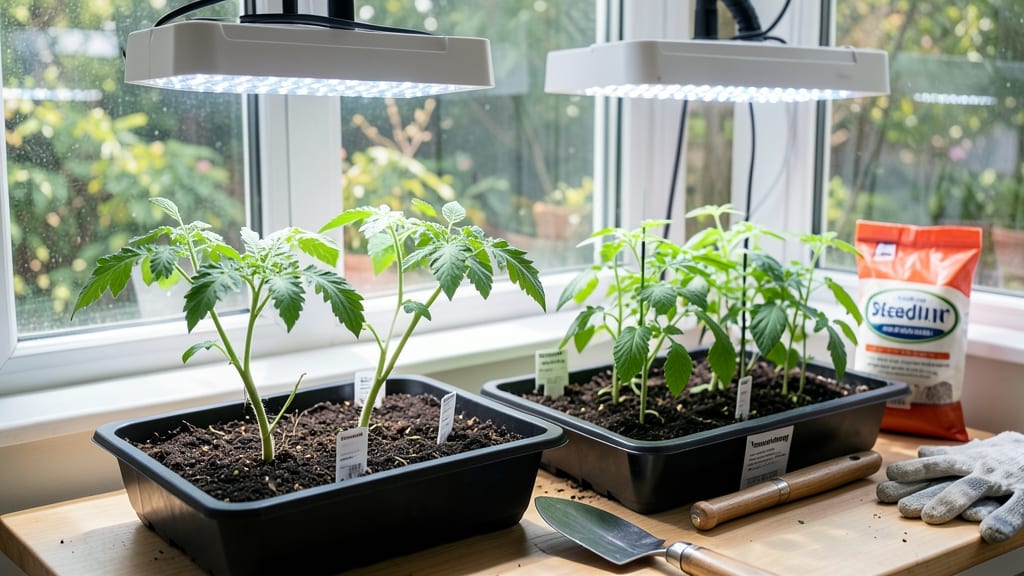
How to keep tomato seedlings from getting leggy—long, weak stems and tiny leaves—scream for help. 🌱 I’ve saved dozens from this fate with a simple lighting trick that turns them into sturdy, bushy plants ready for transplanting. The secret isn’t fancy equipment; it’s understanding how light (or lack of it) shapes their growth from day one.
Most gardeners overlook the basics: seedlings stretch toward light because they’re starving for it. A sunny windowsill or basic grow light just a few inches away keeps them compact. Overcrowding and uneven light also play a role—thinning and spacing matter just as much as the light itself.
I’ve tested this with dozens of varieties, and the results speak for themselves: stocky stems, dark green leaves, and plants that thrive after transplanting.
If your seedlings are already leggy, don’t panic. You can still rescue them with a few adjustments—like burying them deeper or providing stronger light. The key is acting fast before they become too weak to support themselves.
With the right setup, you’ll go from wobbly stems to garden-ready powerhouses in just a couple of weeks.
This trick works for any seed-starting setup, from a sunny kitchen windowsill to a dedicated grow light station. Whether you’re a first-timer or a seasoned gardener, these adjustments will give you seedlings that outperform anything from the nursery. Let’s get those plants standing tall!
The Root Causes Of Weak Seedlings
Leggy tomato seedlings aren’t just a nuisance—they’re a survival strategy gone wrong. When seedlings stretch too tall and thin, it’s their way of searching for light, nutrients, or stability.
But why does this happen in the first place? Let’s break down the science behind those spindly stems and how environmental factors push your seedlings toward weakness.
Light is the primary driver of seedling growth—or the lack thereof. Tomato seedlings rely on photosynthesis to convert light into energy, but when they don’t get enough, they prioritize height over strength. Here’s how it plays out:
- Phototropism in action: Seedlings grow toward the nearest light source (usually a window or grow light) because they’re programmed to seek blue light, which triggers stem elongation. Without balanced light, they overstretch to reach it.
- The shade response: In low-light conditions, seedlings produce less chlorophyll (the green pigment for photosynthesis) and more auxin, a hormone that promotes rapid, weak stem growth. This is why seedlings under dim indoor lights or crowded trays turn into etiolated (pale, weak) stems.
- Light spectrum matters: While seedlings need full-spectrum light, a lack of red light (600–700 nm) slows down photosynthesis, forcing them to rely on height for survival. LED grow lights with a 16:8 light-dark cycle mimic natural conditions and prevent this.
Actionable insight: If your seedlings are leaning or have long, thin stems, they’re begging for more light. Move them closer to a south-facing window or invest in a full-spectrum LED grow light (12–16 hours/day).
Space isn’t just about comfort—it’s about competition for resources. When seedlings are too close together, they enter a survival mode where height becomes their only advantage. Here’s the science:
- Resource depletion: Seedlings compete for water, nutrients, and light. In crowded trays, the outer seedlings stretch upward to outcompete their neighbors, while the inner ones may herniate (stretch toward the light at odd angles).
- Ethylene buildup: Overcrowding increases ethylene gas (a plant stress hormone) in the soil, which inhibits root growth and promotes abscission (the dropping of lower leaves). This weakens the stem’s structural integrity.
- Root restriction: Compacted or shallow trays limit root expansion, forcing seedlings to over-rely on the shoot system for stability. Weak roots = leggy stems.
Actionable insight: Thin seedlings to 1–2 inches apart in trays and 3–4 inches apart in larger containers. If you’re using seedling trays, transplant them to individual pots as soon as they have 2–3 true leaves to give roots room to grow.
Tomatoes are warm-weather plants, and when temperatures dip or spike, their growth patterns shift dramatically. Here’s how heat and cold contribute to legginess:
- Cool stress: Temperatures below 60°F (15°C) slow down photosynthesis, forcing seedlings to elongate rapidly in search of warmth and light. This is why seedlings under a cold windowsill or in a drafty room turn tall and rubbery.
- Heat stress: While excessive heat (>85°F/30°C) can stunt growth, uneven warmth (e.g., a warm spot near a heater) causes asymmetrical growth, where one side stretches toward the heat source.
- Nighttime chills: Large temperature swings between day and night disrupt hormone balance, increasing gibberellins (hormones that promote stem elongation) and reducing abscisic acid (which strengthens stems).
Actionable insight: Keep seedlings in a consistent 70–75°F (21–24°C) range during the day and 60–65°F (15–18°C) at night. Use a seedling heat mat (70–80°F) for cooler climates or move trays away from drafts, vents, or direct sunlight.
Seedlings aren’t just starving for light—they can also be nutrient-deficient in ways that trigger leggy growth. Here’s how imbalances play a role:
- Nitrogen overload: While nitrogen is essential for leafy growth, too much (especially in synthetic fertilizers) promotes soft, weak stems and excessive leaf production, which shades lower leaves and encourages stretching.
- Phosphorus deficiency: Phosphorus is critical for root and cell division. Without enough (common in young seedlings), plants prioritize shoot growth to access more nutrients, leading to leggy stems.
- Micronutrient gaps: Deficiencies in magnesium, calcium, or boron weaken cell walls, making stems prone to bending and herniation. For example, boron deficiency causes corky stems in tomatoes.
Actionable insight: Use a balanced, water-soluble fertilizer (like 5-10-5 or 3-4-6) at half-strength once seedlings have 2 true leaves. Avoid high-nitrogen starter fertilizers—opt for a low-nitrogen, high-phosphorus blend (e.g., 2-8-4) to encourage root and stem strength.
Leggy seedlings are essentially desperate plants—they’re doing whatever it takes to survive. But with the right light, space, temperature, and nutrients, you can rewire their growth habit before it’s too late. The key is proactive prevention rather than reactive fixes.
Fix Weak Seedlings Fast
Now that you know why your tomato seedlings stretch like over-caffeinated ballerinas, let’s roll up our sleeves and get them back to their sturdy, sun-loving selves. The good news? Most fixes are simple, cost-effective, and require minimal effort—just a little attention and tweaks to their environment.
Below, we’ll match common causes to the best solutions, plus pro tips to keep future seedlings strong and stocky.
If your seedlings are reaching for the sky like they’re auditioning for a circus act, they’re begging for more light. Here’s how to fix it:
✅ Fix It:
- Move them closer to the light source (if using artificial grow lights). Aim for 2–4 inches away—close enough that their leaves almost brush the bulb, but not so close they burn. 🔥
- Extend daylight hours to 14–16 hours per day. Use a timer for grow lights to automate this (no more forgetting at bedtime!).
- Rotate seedlings daily (a quarter turn) so they don’t lean toward one side. Think of it like giving them a mini spa day to grow evenly. 💆♂️
- Upgrade your light if needed. If seedlings still look sad under fluorescent or LED bulbs, consider a full-spectrum grow light (like a T5 or LED bar) for better intensity.
💡 Prevention Tip: Start seedlings under lights from day one—natural sunlight alone won’t cut it indoors. If you’re using a sunny windowsill, supplement with a cheap clip-on grow light ($10–$20) to fill gaps.
Leggy seedlings often thrive in a sauna-like environment. If your seedlings are in a warm, humid spot (like a sunny windowsill or under a heat lamp), they’ll stretch fast to escape the heat.
✅ Fix It:
- Lower the temperature to 65–75°F (18–24°C) during the day and 55–60°F (13–16°C) at night. A cool basement or garage can work—just keep them out of drafts. ❄️
- Thin out seedlings if they’re packed too tightly. Overcrowding forces them to compete for light, making them leggy. Aim for 1–2 inches between plants once they sprout their first true leaves.
- Improve air circulation with a small fan on low speed (place it 6–12 inches away to avoid stressing them). This mimics outdoor breezes and strengthens stems. 🌬️
💡 Prevention Tip: Avoid placing seedlings near heat sources (radiators, ovens, or hot water pipes). If using a heat mat, limit it to 70–75°F (21–24°C)—warmer temps speed up growth but weaken stems.
Too much nitrogen (common in starter fertilizers) makes seedlings grow fast but weak, like a bodybuilder on steroids—all muscle, no endurance.
✅ Fix It:
- Flush the soil with water to leach out excess fertilizer. Let it drain completely, then repot seedlings in fresh, well-draining potting mix (avoid garden soil—it’s too dense).
- Switch to a balanced fertilizer (like 5-5-5 or 10-10-10) once they have 2–3 true leaves. Dilute it to half-strength to avoid shocking them. 📊
- Add perlite or vermiculite to the soil mix (20%) to improve drainage and aeration. Happy roots = happy plants!
💡 Prevention Tip: Skip fertilizer entirely until seedlings have true leaves (not just the initial seed leaves). At that point, a weak fish emulsion or seaweed extract (1 tsp/gallon) gives them a gentle nutrient boost without overdoing it.
If seedlings were planted too deep or disturbed during transplanting, they’ll stretch to find light again.
✅ Fix It:
- Repot leggy seedlings into deeper containers (at least 3–4 inches tall) with fresh soil. Bury them up to their first true leaves—this encourages roots to grow along the buried stem, creating a stronger base. 🌱
- Firm the soil gently around the stem to prevent air pockets. Think of it like giving them a supportive corset (but way less dramatic).
- Keep them in low light for 2–3 days post-transplant to reduce stress. Gradually reintroduce stronger light over a week.
💡 Prevention Tip: When transplanting, use dibbles (or a pencil) to make holes just wide enough for roots. Avoid compacting soil around the stem—it can strangle new growth.
If seeds took forever to sprout or were past their prime, seedlings may have already “given up” on growing strong.
✅ Fix It:
- Start over with fresh seeds if seedlings are beyond saving. Use new, high-quality seeds (check the packet date—most last 1–2 years).
- Soak seeds overnight in warm water before replanting for faster germination. 🌱
- Use a heat mat (70–75°F) to speed up germination if your space is cool.
💡 Prevention Tip: Store seeds in a cool, dry place (like a fridge) to extend their viability. Label packets with the date to avoid planting ancient seeds!
If your seedlings are already towering and top-heavy, don’t despair—you can still save them:
- Prune the top (just above a leaf node) to encourage bushier growth. Use clean scissors or your fingers. ✂️
- Bury the stem deeper in fresh soil to promote root growth along the buried section.
- Pinch off flower buds (yes, really!) if they appear early.
The plant will focus on leaves/stems first. 🌸 4. Hardening off (acclimating to outdoor conditions) should happen gradually—start with 1–2 hours of shade, then slowly increase sun exposure.
Final Pro Tip: 🌟 Leggy seedlings aren’t a death sentence—they’re just telling you they need a little TLC. Act fast, and most will bounce back stronger than ever. And next season? You’ll be the leggy-seedling whisperer in your gardening group! 😉
Frequently asked questions
Why do my tomato seedlings get so tall and thin?
Seedlings stretch when they're searching for light—this is called etiolation. When they don't get enough light (especially blue and red spectrum), they produce weak stems to reach upward. Overcrowding and uneven warmth can also trigger this growth pattern as seedlings compete for resources.
Can I save leggy seedlings, or should I start over?
You can absolutely rescue them! Bury the stems deeper in soil (up to the first true leaves) to encourage new root growth, and move them to stronger light immediately. Prune the top just above a leaf node to promote bushier growth. Most seedlings will recover within 7-10 days with proper care.
What's the best light setup for preventing leggy seedlings?
For indoor growing, use a full-spectrum LED grow light placed 2-4 inches above seedlings with a 14-16 hour daily cycle. Rotate trays daily to prevent leaning. A south-facing windowsill works too, but supplement with a cheap grow light during cloudy days or winter months.
How close together can I plant seedlings without causing legginess?
Keep seedlings 1-2 inches apart in trays and 3-4 inches apart in larger containers. When they develop 2-3 true leaves, transplant them to individual pots to prevent competition for light and nutrients, which often leads to weak, stretched growth.
Will fertilizer make my seedlings leggy?
Yes—especially if it's high in nitrogen. Use a balanced fertilizer (5-5-5 or 10-10-10) at half-strength once seedlings have true leaves. Avoid fertilizing until they're established, and consider organic options like fish emulsion or seaweed extract for gentler nutrition.