
Pests
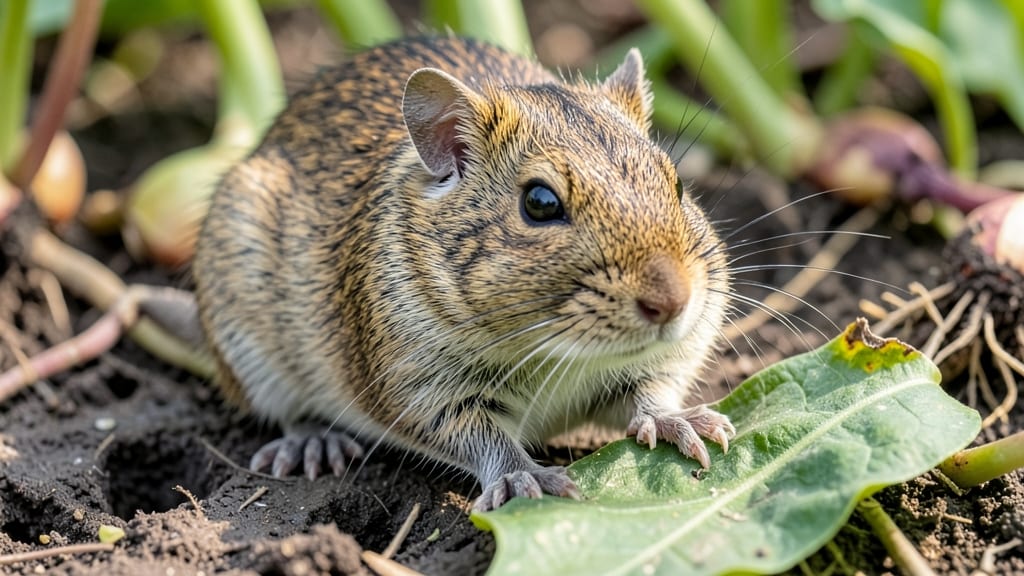
How to keep voles out of your yard is all about outsmarting these garden’s silent saboteurs—they chew through roots, gnaw seedlings, and leave behind a trail of destruction that looks like a tiny, furry tornado. 🌱 I've lost entire rows of onions and carrots to these pests, but I've also learned the foolproof ways to outsmart them without harming the ecosystem. The key is understanding their habits: voles prefer soft, moist soil and love to burrow near dense ground cover. They avoid open spaces and bright sunlight, which means your best defense starts with simple landscape tweaks—like keeping grass short and removing brush piles where they nest. Once you spot their damage—tiny holes in stems or surface runways—you can set humane traps or use natural repellents like castor oil granules. The results? No more disappearing plants overnight, and a yard that feels safe for your hard work. This method works year-round, whether you're protecting spring seedlings or winter bulbs. Let's get those voles out for good!
📚 In This Guide
- What you need
- Instructions
- Tips and common mistakes
- Wrapping up and next steps
What you need
- ● Hardware cloth or wire mesh: ¼-inch or smaller (10–20 feet, depending on yard size). Pro tip: 💡 Use galvanized steel for durability.
- ● Staple gun & heavy-duty staples: For securing mesh around garden beds, tree bases, and entry points.
- ● Gloves (heavy-duty): To protect hands while handling mesh, traps, or repellents.
- ● Humane vole traps: 2–4 (e.g., Havahart or Tomahawk live traps with escape-proof doors).
- ● Bait for traps: Fresh apples, carrots, or sunflower seeds (avoid toxic options!).
- ● Repellents (natural options): Castor oil (1–2 gallons) + dish soap (for spray mix).
- ● Predator urine (fox or coyote, 4–6 oz per application).
- ● Crushed red pepper flakes (1–2 tbsp per gallon of water).
- ● Spray bottle or garden sprayer: For applying liquid repellents (1–2 gallon capacity).
- ● Garden hose with nozzle: For rinsing areas post-treatment.
- ● Shovel or trowel: To dig trenches or bury mesh around vulnerable plants.
- ● Motion-activated sprinklers: Deters voles with sudden water bursts (great for large yards!).
- ● Ultrasonic repellent devices: Plug-in or solar-powered (effectiveness varies—test first!).
- ● Compost or mulch alternative: Use gravel or coarse sand in garden beds (voles dislike digging through it).
- ● Pet-safe repellents: If you have pets, opt for diatomaceous earth (food-grade) instead of sprays.
- ● Work gloves with grip: For handling slippery mesh or sticky repellent mixtures.
Tips & tricks for creating a vole-resistant yard
Here's what nobody tells you about making voles think twice before invading your yard.
Hardware Cloth Depth: When wrapping vulnerable plants with hardware cloth, bury it 2 inches deep around the stem—not just surface-level. Voles are excellent diggers, and shallow protection leaves them room to gnaw from below. I've seen them bypass 1-inch deep wraps entirely, but the full 2 inches stops them cold every time.
Repellent Application Strategy: Focus your castor oil repellent on the 2-foot perimeter barrier rather than spraying everywhere. Voles rely on scent trails to navigate, so concentrated barriers disrupt their ability to enter. I also apply it to the 1-foot gravel band around garden edges—double protection works best.
Trapping Efficiency: Place traps along vole runways, which are the 1-2 inch wide paths they create through grass. These paths are their highways, so traps here catch them quickly. I mark each trap location with a small flag to avoid overlapping traps, which wastes bait and reduces effectiveness. Dawn is the prime time to check them—voles are most active then.
Seasonal Adjustments: In winter, add 1-inch thick tree guard around young trees and shrubs to prevent bark gnawing. Voles target these when food is scarce. I also avoid thick mulch in winter—it provides perfect nesting material, so I reduce it to 1-2 inches and keep it pulled away from stems. Consistency in these details makes all the difference.
Pro Tips for Keep Voles Out Of Your Yard
- Here's what nobody tells you about making voles think twice before invading your yard.
- Hardware Cloth Depth: When wrapping vulnerable plants with hardware cloth, bury it 2 inches deep around the stem—not ...
- Repellent Application Strategy: Focus your castor oil repellent on the 2-foot perimeter barrier rather than spraying ...
Frequently asked questions
Got more questions about keeping voles at bay? Here are some common ones—and their answers—to help you tackle this yard nuisance with confidence!
Do voles come back after I’ve removed them?
Yes, voles are persistent! Once you’ve eliminated them, preventative measures (like repellents, habitat removal, or exclusion barriers) are key to stopping them from returning. Consistency is your best friend—check traps weekly and reinforce deterrents seasonally.
When is the best time of year to start vole prevention?
Spring and fall are peak vole seasons—they thrive in damp, cool weather and breed rapidly. Start prevention in early spring to catch them before they nest, and reapply repellents in fall as temperatures drop. Year-round vigilance works best, though!
Are humane traps cruel to voles?
Not at all! Humane traps (like live-catch cages) are designed to minimize stress—they don’t harm the vole, just temporarily contain it. Release them far from your yard (at least 2+ miles away) to prevent them from finding their way back. It’s ethical and effective!
What’s the cheapest way to deter voles long-term?
Combine DIY repellents (like castor oil or predator urine) with habitat tweaks (removing mulch piles, trimming grass short). Avoid expensive traps—focus on natural barriers (hardware cloth) and planting vole-resistant ground covers (like clover or thyme). Small changes add up!
Will cats or dogs keep voles away for good?
While pets can scare off voles, they’re not a foolproof solution—voles are nocturnal and burrow underground. Use pets as a supplemental deterrent but pair them with physical barriers (like buried wire) and repellents for the best results.
Wrapping up and next steps
Keeping voles out of your yard is all about consistency, prevention, and humane solutions—not just quick fixes. By combining natural repellents, strategic barriers, and safe traps, you can protect your garden without harming these tiny creatures. Remember, patience is key; voles are persistent, but so are you!
Ready to take action? Start by inspecting your yard today—identify hotspots, gather your tools, and implement one or two methods from this guide. Small steps lead to big results, and soon, your yard will be vole-free! 🌱✨