
How To
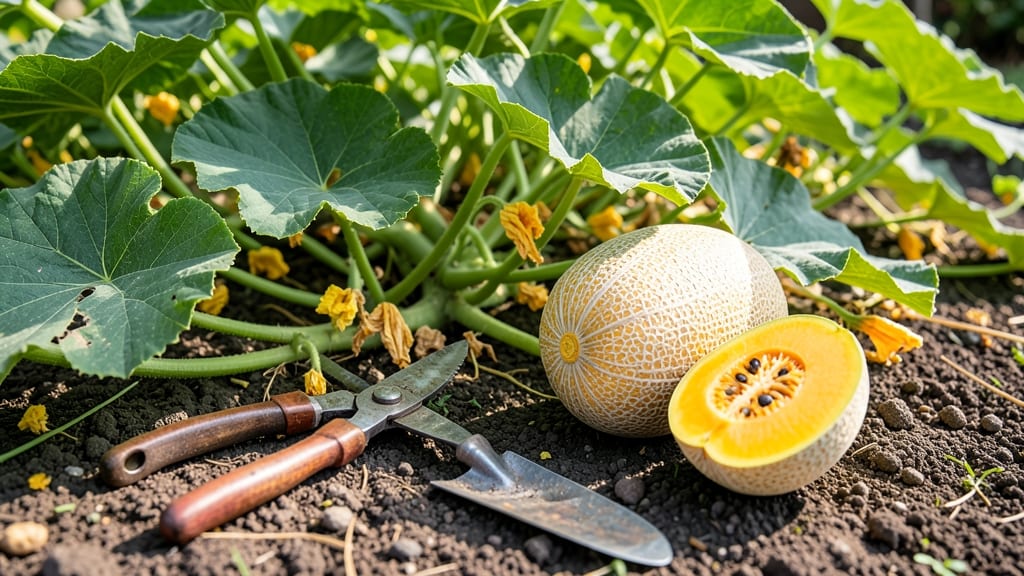
There’s nothing worse than biting into a cantaloupe that’s still hard or bland—especially when you know how to know if a cantaloupe is ready to pick and it could’ve been perfectly sweet if harvested at the right time.
The secret to that juicy, honey-like flavor lies in knowing exactly when your 🍈 is ready to harvest, and it’s easier than you think.
Most gardeners wait too long or pick too soon, missing the sweet spot where cantaloupes burst with flavor. Whether you’re growing them in USDA Zone 6a or just starting your spring garden, mastering these visual and tactile cues will transform your harvest from "meh" to "magical."
From the way the stem detaches to the telltale aroma near the blossom end, your cantaloupe sends clear signals. I’ll break down the 5 key signs to watch for—so you never miss peak ripeness again. No guesswork, just delicious results.
Ready to turn your garden into a cantaloupe candy shop? Let’s get started with the foolproof methods that’ll have you harvesting like a pro by July or August.


5 Visual cues to identify a perfectly ripe cantaloupe
Nothing beats the flavor of a cantaloupe picked at peak ripeness straight from the vine. But how do you know when your cantaloupe is ready? Look for these 5 key visual cues that guarantee sweet, juicy fruit every time.
I’ve learned the hard way—overripe cantaloupes turn mushy, while underripe ones taste bland and tough.
Start with the stem end. A ripe cantaloupe’s stem will slip easily from the vine when gently twisted. If it resists, the fruit needs more time. This is your first clue that the fruit has reached maturity and is ready to harvest.
The stem end also changes color, turning from white or pale green to cream, tan, or yellowish.
Color consistency is another dead giveaway. Look for a deep, even hue across the entire fruit—whether it’s yellow, orange, or tan. Avoid cantaloupes with uneven patches or green streaks near the stem. These indicate the fruit wasn’t fully exposed to sunlight or didn’t ripen properly.
The skin texture should be slightly satiny or waxy, not hard or dull. Give the cantaloupe a gentle squeeze near the stem. A ripe one will yield slightly under light thumb pressure but won’t feel mushy. If it feels rock-hard, it’s underripe; if it feels too soft, it’s overripe.
Now, take a deep sniff near the stem end. A ripe cantaloupe emits a powerful, sweet aroma—almost like a mix of honey and melon.
If it smells faint or has a sour or fermented odor, it’s not ready. This scent is your best indicator of sugar content and flavor.
🍈 Your Cantaloupe Ripeness
5 Visual cues to identify a perfectly ripe cantaloupe
Nothing beats the flavor of a cantaloupe that ripened on the vine—sweet, fragrant, and perfectly tender. But how do you know when your fruit is ready to pick? The key lies in visual and tactile cues that reveal the cantaloupe's ripeness.
Start by examining the stem end, where the most obvious changes occur. A ripe cantaloupe will show a yellowish-brown or tan color at the blossom end, often called the "ground spot." This color shift signals the fruit has reached peak sugar content.
Next, check the vine connection. When a cantaloupe is ready, the stem should detach easily with a gentle twist—this means the fruit is fully mature and ready for harvest. If the stem resists, it’s not quite time.
Pay attention to the rind texture too; it should feel slightly soft when pressed lightly but not mushy. A firm rind usually means the cantaloupe needs more time on the vine.
🍈 5 Key Signs Your Cantaloupe Is Ready to Pick
- 1. Stem Slip: Twist gently—if it separates easily, it’s ripe!
- 2. Color Change: Cream or tan near the stem end (not green or white).
- 3. Sweet Aroma: Strong, musky fragrance at the blossom end.
- 4. Soft Rind: Yields slightly to thumb pressure (but isn’t mushy).
- 5. Drying Vine: The vine near the fruit may start to dry out.
Don’t overlook the overall color of the cantaloupe. A ripe fruit will have a deep, consistent hue—whether yellow, orange, or tan—with no green patches. Some varieties even develop a net-like pattern on the rind, which becomes more pronounced as they ripen.
If the fruit still has green streaks or a white blossom end, it’s not ready yet. Patience pays off—waiting a few extra days ensures the sweetest, most flavorful cantaloupe.
One common mistake is harvesting cantaloupes based on size alone. A large cantaloupe isn’t necessarily ripe—it could just be overwatered. Instead, combine all these visual cues: color, stem slip, aroma, and texture.
When they all align, you’ve got a winner. Pro tip: Harvest in the morning when the fruit is coolest and flavors are most concentrated.
If you’re unsure, perform a quick scent test. Hold the cantaloupe near your nose at the stem end—ripe cantaloupes emit a powerful, sweet, musky aroma. No smell? It’s not ready.
This scent is your best indicator of internal sweetness, so trust your nose! Once you master these cues, you’ll never buy a bland, store-bought cantaloupe again.
Remember, cantaloupes continue to ripen slightly after picking, but they won’t improve much past the vine-ripe stage. So when you see all these signs, grab your harvesting shears and enjoy the reward of your hard work—a cantaloupe bursting with summer sweetness! 🌱