
Watering
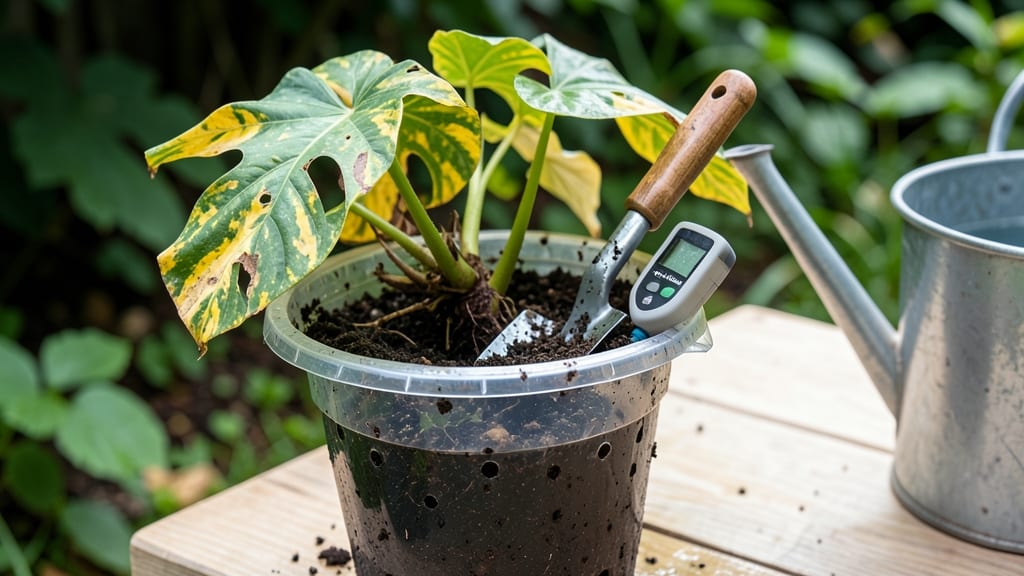
Here’s how to know if plants are overwatered—and why that sad, limp look might not be thirst at all. 🌱 That yellowing, moldy soil, and wilting stems scream "too much water."
I’ve lost entire batches of seedlings to this silent killer, and I learned the hard way that soggy soil suffocates roots faster than drought ever could.
Here’s the thing—overwatering hides in plain sight. Check the soil first: if it’s damp more than an inch down, you’re overdoing it. Look for mushy stems, grayish leaves, or white fungal growth—those are red flags.
Even your favorite houseplants can’t handle soggy roots, and container gardens are especially vulnerable because water has nowhere to drain.
Fixing it starts with stopping the water and giving roots a chance to breathe. Repot if the soil stays wet for days, and adjust your schedule—most plants prefer dry soil between waterings.
A moisture meter or your finger (yes, really) is your best friend here. Trust me, your plants will thank you with stronger growth and fewer "oops" moments.
Prevention is easier than cleanup: well-draining soil, proper pots, and a watering routine based on your climate save you from this mess. I keep a journal now—plant type, watering dates, and weather notes—so I never guess again. Your garden’s health starts with knowing when to hold back.
Why It Happens
Overwatering isn’t just a gardening mistake—it’s a silent killer for plants, often caused by well-intentioned but misinformed care. Understanding the root causes (literally and figuratively) helps you avoid turning your green thumb into a soggy disaster. Let’s break down the science and habits behind the problem.
Soil isn’t just dirt—it’s a delicate balance of minerals, organic matter, and air pockets. When soil lacks proper drainage (often due to compacted clay or heavy loam), water pools instead of draining away. This creates anaerobic conditions, where roots suffocate because oxygen can’t reach them.
Over time, this leads to: - Root rot: Fungal pathogens like Phytophthora thrive in waterlogged soil, breaking down root tissue. - Nutrient leaching: Excess water washes away essential nutrients (like nitrogen and potassium) before roots can absorb them. - Salt buildup: Minerals dissolve in stagnant water, creating a salty crust that burns roots.
Actionable fix: Amend heavy soil with perlite, sand, or compost to improve aeration. Test your soil’s drainage by filling a container with water—if it drains slower than 30 minutes, it’s time to lighten it up.
Even the best gardeners can fall into the trap of a schedule-based watering routine.
Plants don’t need water on a strict timeline—they need it based on: - Soil moisture levels (stick your finger 1–2 inches deep; if it’s damp, wait). - Weather conditions (humidity, rain, or wind affects evaporation rates). - Plant species (succulents vs. ferns have wildly different needs).
Common mistakes:
- Autopilot watering: Using timers or apps without adjusting for seasonal changes.
- Mistaking thirst for wilting: Some plants (like calatheas) droop when underwatered, not overwatered.
- Ignoring container size: Small pots dry out faster, but they also trap moisture if not drained properly.
Pro tip: 🌡️ The finger test beats guesswork. Before watering, check moisture—if the top 1–2 inches are dry, it’s time. If not, hold off!
Potted plants are especially vulnerable because containers restrict root expansion and often lack drainage holes.
Here’s how pots become death traps: - No drainage holes: Water pools at the bottom, drowning roots in a "wet sock" effect. - Overpotting: A plant in a container twice its size stays damp longer because the extra soil retains moisture. - Plastic vs. terracotta: Plastic pots insulate roots, keeping soil cooler and wetter; terracotta breathes but can dry out too quickly if unmonitored.
Quick check: 🔍 Lift your pot—if it’s heavier than expected, it’s likely waterlogged. Terracotta pots also sweat condensation on the outside, a red flag for overwatering.
Even the most attentive gardener can be fooled by environmental factors that increase moisture retention:
- High humidity: Air saturated with water slows evaporation, keeping soil damp longer.
- Low light: Plants photosynthesize less in shade, reducing their need for water—but their roots still rot if overwatered.
- Cold temperatures: Roots slow down in cool weather, making them more susceptible to rot in soggy conditions.
Adjust your approach: 🎯 Reduce watering in winter (plants are dormant) and increase airflow in humid climates with fans or spacing.
Not all plants play well together—or in the same pot. Mixing water-loving tropicals (like ferns or peace lilies) with drought-tolerant succulents creates a moisture imbalance. Even within a single pot, roots compete for oxygen, and the more sensitive plants suffer.
Signs of a bad combo:
- One plant thrives while others wilt or develop yellow leaves.
- Soil stays perpetually damp, even after watering.
Solution: Group plants with similar water needs and research their native habitats (e.g., desert cacti vs. rainforest orchids).
Overwatering often starts small but escalates quickly. Missing these early clues can turn a minor issue into a full-blown crisis: 1. Yellowing leaves (chlorosis): A sign of oxygen deprivation or nutrient deficiency from waterlogged roots.
- Mushy stems: Soft, blackened stems indicate fungal or bacterial rot.
- Slow growth: Roots can’t absorb water or nutrients efficiently when drowned.
💡 Pro tip: When in doubt, underwater! Plants can bounce back from wilting (a sign of thirst), but they rarely recover from root rot.
How to Fix Overwatered Plants
Now that you’ve spotted the signs, it’s time to act! Overwatered plants need immediate attention, but don’t panic—most can bounce back with the right care. Below, we’ll break down cause-specific fixes and prevention strategies to keep your green friends thriving.
Cause: Soggy soil cuts off oxygen, causing roots to rot and leaves to yellow. Fix:
- Stop watering immediately—let the soil dry out completely before watering again.
- Repot if needed 🔄: If roots are mushy or black, gently remove the plant, trim the damaged roots with sterilized scissors, and repot it in fresh, well-draining soil.
- Improve drainage 💧: Add perlite, sand, or orchid bark to the soil mix to prevent compaction.
Prevention Tip: 💡 Use a moisture meter or stick your finger 1–2 inches into the soil before watering—if it’s damp, wait!
Cause: Excess moisture suffocates roots, leading to wilting even when soil feels wet. Fix:
- Check root health 🔍: Gently remove the plant and inspect roots. Healthy roots are firm and white; rotten roots are slimy and brown.
- Prune damaged roots ⚰️: Snip off black/mushy roots with clean scissors.
- Repot in fresh soil 🌿: Use a mix with 30% perlite or coconut coir to improve aeration.
Prevention Tip: 🌡️ Terracotta pots dry out faster than plastic—switch containers if your plant keeps staying soggy.
Cause: Moisture-loving fungi (like powdery mildew or root rot) thrive in overwatered conditions. Fix:
- Remove infected leaves 🗑️: Snip off yellowed or moldy foliage to prevent spread.
- Apply fungicide 💊: Use a natural option like neem oil or hydrogen peroxide (1 part peroxide to 4 parts water) to treat affected areas.
- Adjust watering habits ☀️: Water in the morning so leaves dry quickly, and avoid overhead spraying.
Prevention Tip: ✨ Space plants apart for airflow—crowding traps humidity and encourages fungi.
Cause: Anaerobic (oxygen-deprived) soil emits a foul odor and stunts growth. Fix:
- Let the soil dry out completely ⏳: Place the pot in a sunny spot and avoid watering for 3–5 days.
- Flush the soil 🚿: Run water through the pot until it drains clean to remove excess salts and bacteria.
- Add compost or worm castings 🐛: Boosts soil health and improves water retention without drowning roots.
Prevention Tip: 🎯 Group plants with similar water needs together—succulents near cacti, ferns near ferns!
Cause: Overwatering stresses plants, slowing growth or causing leaf drop. Fix:
- Water deeply but infrequently 💧: Soak the soil until water runs out the bottom, then wait until the top inch is dry.
- Upgrade your pot 🏺: Ensure it has drainage holes—no exceptions!
- Mulch lightly 🍂: A thin layer of mulch (like bark chips) helps retain just enough moisture.
Prevention Tip: 💡 When in doubt, underwater! Most houseplants prefer dry soil to soggy.
Final Pro Tip: 🌱 If your plant is severely overwatered, don’t give up—many recover with proper care! Monitor closely for 2–4 weeks to see improvement.
Frequently asked questions
Why do my plant leaves turn yellow when I water it regularly?
Yellowing leaves (chlorosis) often signal overwatering because soggy soil cuts off oxygen to roots. Check if the soil stays damp for days—this suffocates roots, preventing nutrient absorption. Even if your plant looks thirsty, let the top 1-2 inches dry completely before watering again.
Can I save a plant with mushy black stems?
Yes, but act fast! Remove the plant from its pot and trim away all mushy, blackened stems and roots with clean scissors. Repot in fresh, well-draining soil and avoid watering for 3-5 days to let roots recover. Use a mix with 30% perlite to prevent future rot.
How often should I water potted plants?
There's no one-size-fits-all answer—check soil moisture first! Stick your finger 1-2 inches deep: if dry, water thoroughly until it drains from the bottom. Most houseplants prefer dry soil between waterings. In winter, reduce watering by half since plants grow slower.
What's the difference between overwatering and underwatering?
Overwatered plants often have yellow leaves, mushy stems, and foul-smelling soil, while underwatered plants show crispy brown edges and drooping. The key difference: overwatered soil stays damp for days, while underwatered soil feels bone-dry. Always check soil moisture before assuming thirst!
Why does my plant wilt even when the soil is wet?
This classic overwatering sign means roots can't absorb water due to oxygen deprivation. The plant wilts because it can't take up moisture from waterlogged soil. Let the soil dry completely, then repot in fresh, well-draining mix with perlite or sand to improve aeration.