
How To
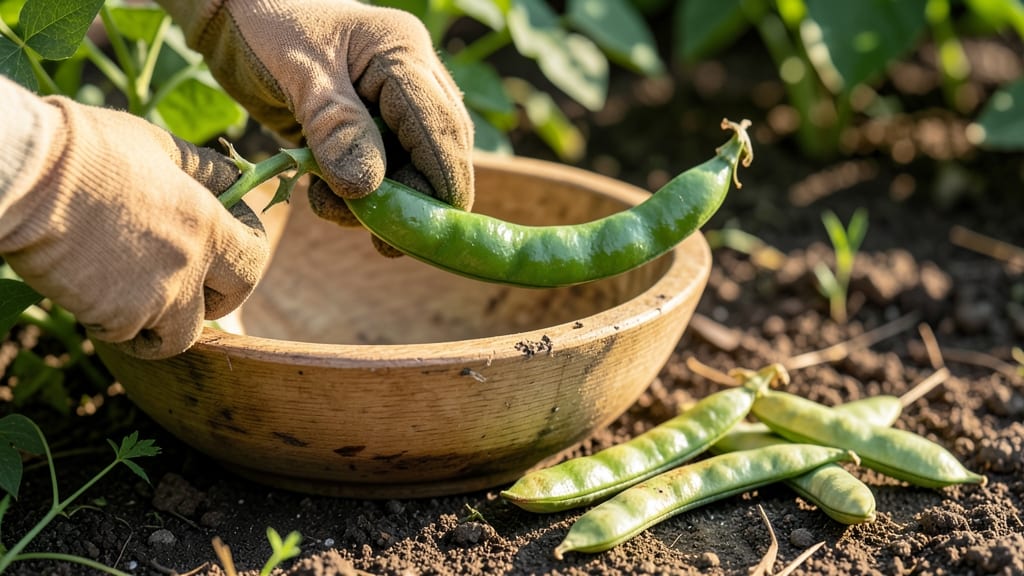
Learning how to know when bush beans are ready to harvest can make the difference between a crisp, flavorful meal and a tough, stringy disappointment. The right moment arrives faster than you think—often within 50-60 days after planting—and missing it means sacrificing the sweet, tender pods you’ve been waiting for.
Most gardeners focus on size, but the three key visual cues you might be overlooking—color, firmness, and seed visibility—are what truly signal readiness. Ignore these signs, and you’ll end up with overgrown pods that lose their snap and sweetness.
The good news? Mastering these simple checks turns harvesting from guesswork into a foolproof routine.
Whether you’re a first-time gardener or a seasoned pro, these tips will help you time your harvest perfectly. I’ll walk you through what to look for, when to pick, and even how to salvage beans that ripen just a little too late.
Let’s make sure every pod you harvest is at its absolute best.
Ready to transform your garden into a bush bean bonanza? The secret starts with knowing these three little details that most gardeners miss. Let’s get started.
3 Visual cues to harvest bush beans at peak ripeness (with photos)
Mastering the art of harvesting bush beans starts with recognizing three key visual cues that signal peak ripeness. These signs—pod size, color, and firmness—are your secret weapons for crisp, flavorful beans every time.
Ignore them, and you risk ending up with tough, stringy pods that lack the sweetness you’re craving. Let’s break down exactly what to look for, so you never miss the perfect harvest window again.
First, pay attention to the size of the pods. Ready-to-harvest bush beans typically measure between 4 to 6 inches long. They should be slightly curved but still tender, not woody or overgrown.
If you’re growing a dwarf variety, aim for pods that are about 3 to 4 inches long, as they mature faster. Measuring your pods with a ruler or comparing them to your hand can help you gauge their readiness accurately.
Next, observe the color of the pods. At their prime, bush beans should be a vibrant, deep green. Avoid harvesting pods that are pale green or starting to turn yellow—this is a clear sign they’ve passed their peak.
Yellowing pods indicate overripeness, which leads to tough texture and diminished flavor. Think of the color as a traffic light: green means go, while yellow means you’ve waited too long.
Finally, test the firmness of the pods. A ripe bush bean should snap easily when gently bent, almost like a fresh green bean. If the pod feels soft or mushy when squeezed, it’s not ready yet.
On the other hand, if it’s difficult to bend or feels woody, it’s overripe. The ideal pod should offer just enough resistance to snap cleanly, ensuring a satisfying crunch with every bite.
| Cue | What to Look For | Perfect Harvest Window | What Happens If You Wait Too Long |
|---|---|---|---|
| Size | Pods 4–6 inches long, slightly curved | Harvest within 3–5 days of reaching full size | Pods toughen, seeds swell, flavor declines |
| Color | Deep green, no yellowing | Pick before pods turn pale or yellow | Pods become stringy and lose sweetness |
| Firmness | Snaps crisply when bent | Harvest in morning for best texture | Pods turn soft, mushy, or woody |
One common mistake gardeners make is harvesting bush beans too late, especially when the pods start turning yellow. Yellow pods are a red flag—they’ll never regain their sweetness or crispness, no matter how you cook them.
If you’ve accidentally let your beans reach this stage, don’t despair. You can still use them in soups or stews where texture isn’t as critical, but they won’t be the star of your garden-fresh salad.
Another pro tip? Check your bush beans in the morning when they’re cool and crisp. This is the best time to harvest because the pods are at their firmest, and the flavor is most intense.
Avoid harvesting in the afternoon or evening, as the heat of the day can make the pods softer and less flavorful. Think of it like picking fruit—always go for the freshest, coolest pods for the best results.
To encourage continuous production, make a habit of checking your bush bean plants every 2–3 days during peak harvest season. This frequency ensures you never miss the perfect moment to pick. If you’re growing multiple varieties, keep a small notebook nearby to jot down which pods are ready.
Over time, you’ll develop an instinct for when your bush beans are at their peak, making harvesting feel like second nature.
Finally, remember that bush beans are self-pollinating, which means each flower produces a single pod. The more pods you harvest, the more flowers your plant will produce, leading to a longer and more abundant harvest.
So, don’t be shy—pick those pods early and often to keep your bush beans producing like a well-oiled machine.
With these three visual cues in mind, you’ll never second-guess whether your bush beans are ready to harvest again. Next time you’re in the garden, take a moment to inspect your pods for size, color, and firmness.
When they all check out, it’s time to grab your basket and start picking!
How often to check bush beans and when to stop picking
Harvesting bush beans isn’t a one-and-done task—it’s an ongoing rhythm that keeps your plants producing like clockwork. I check my bush bean plants every 2–3 days during peak season (usually June through August).
This frequent monitoring ensures I catch pods at their sweetest, 4–6 inches in length, before they toughen up. Think of it like checking your email: you wouldn’t wait a week to respond, right?
The same goes for beans—delaying just a few days can mean the difference between a crisp, tender pod and a stringy mess.
Timing matters too. Always harvest in the early morning when temps are cool and pods are at their firmest. The morning dew hasn’t fully evaporated, and the beans retain their moisture and sweetness.
If you’re harvesting later in the day, do it before the afternoon heat sets in—overheated pods lose flavor faster. Pro tip: Bring a small basket or cloth bag to your garden to avoid bruising the pods as you pick.
🌱 Numbered Highlights: Bush Bean Harvesting Schedule
- Check every 2–3 days during peak production (June–August).
- Harvest in the morning (6–9 AM) for best flavor and texture.
- Pick all pods when the plant stops producing for 1–2 weeks.
- Leave 1–2 inches of stem when snapping pods to encourage more growth.
- Avoid harvesting after frost—beans turn woody and lose flavor.
Knowing when to stop picking is just as important as when to start. Your bush beans will signal the end of their harvest season by slowing down production. If you go a full week or two without new pods forming, it’s time to let the plant rest. Another clue?
The leaves may start yellowing or the stems turning brown. At this point, the plant is redirecting energy to seed production, and the pods you do pick will be tough and less flavorful. It’s like your body telling you it’s time to take a break—listen to it!
Don’t forget the tools of the trade. I keep a pair of sharp hand pruners or small scissors handy to make clean cuts just above the pod. A wide-brimmed hat and gardening gloves are my go-tos for hot days, too.
And always use a shallow basket or breathable bag to avoid crushing the pods. Trust me, nothing’s worse than spending all that time harvesting only to find your beans bruised and unappetizing.
One final rule: Never harvest after the first frost. Bush beans are frost-sensitive, and a light freeze will turn your pods yellow and woody overnight. If frost is in the forecast, pick every last pod from the plant, even if they’re not perfect.
You can still use them in soups or stews—just blanching them first will help soften the texture. And if you’re in a cooler climate, consider extending the season with row covers or planting a second crop in early summer.
With this routine, you’ll turn your bush bean harvest from a gamble into a reliable, flavor-packed success. The key? Stay consistent, check often, and listen to what your plants are telling you. Before you know it, you’ll be the neighbor everyone asks for fresh-picked beans—no guesswork required! 🌿