
How To
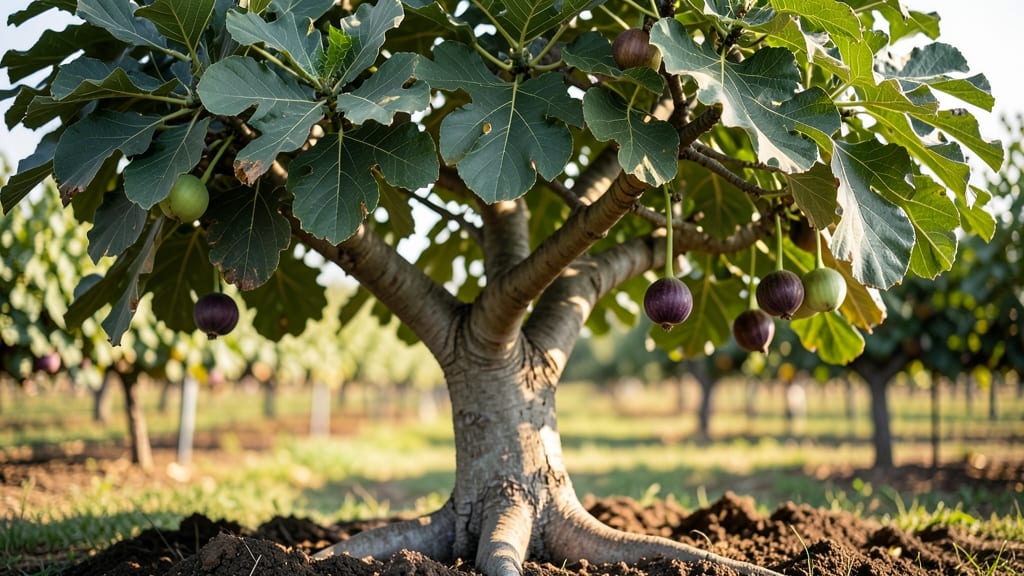
Knowing how to know when figs are ready to pick can make the difference between sweet, juicy fruit and a disappointing harvest. The moment you pluck those figs too early, they’ll stay hard and bland, while waiting too long means they’ll drop to the ground—often before you even notice.
Most gardeners assume ripeness is all about color, but there’s more to it—like the subtle give of the skin or how easily the fig detaches from the stem.
I’ve learned these tricks after years of trial and error, and they’ll help you avoid common mistakes that waste your hard work.
Whether you’re growing Black Mission, Brown Turkey, or another variety, the key is paying attention to five visual cues most people miss. From the way the fruit feels to how it smells, these signs will tell you exactly when to harvest for peak flavor.
Ready to master the art of picking figs at their sweetest? Let’s break down what to look for—so you never miss another harvest window again.
5 Visual cues to identify perfectly ripe figs (with photo guide)
Figs ripen quickly, so knowing the exact moment to pick ensures you enjoy their peak sweetness and avoid overripe, mealy fruit. The key lies in observing subtle changes in color, texture, and structure.
Even experienced gardeners sometimes miss these signs, leading to missed harvests or fruit that spoils on the tree.
Start by examining the fruit’s color. Most fig varieties transition from green to a deeper hue—purple, brown, or yellow—depending on the type. For example, Black Mission figs darken to a rich purple, while Brown Turkey figs turn a warm brown.
This color shift signals the fruit is nearing maturity, but it’s not the only clue.
Next, check the skin’s firmness. A ripe fig yields slightly when you apply gentle pressure with your thumb. If the skin gives just a little but doesn’t feel mushy, it’s ready.
Avoid picking figs that feel rock-hard or overly soft—they’re either unripe or overripe. This test is simple but critical for determining the perfect moment.
| Cue | Description | What to Do |
|---|---|---|
| Color Change | Deepens to purple, brown, or yellow depending on variety. | Observe daily; color shift is the first sign. |
| Skin Firmness | Yields slightly when gently squeezed. | Pick if skin gives but isn’t mushy. |
| Stem Separation | Fruit detaches easily with a slight twist. | Twist gently; if it releases, it’s ripe. |
| Weight | Feels heavier for its size. | Compare to unripe figs; ripe ones are denser. |
| Taste Test | Sweet flavor with minimal tartness. | Sample one fig to confirm ripeness. |
One of the most reliable signs is how easily the fig detaches from the tree. When ripe, figs separate with minimal effort—a gentle twist should release them from the stem.
If the fruit resists, it’s not ready yet. This method is especially useful for smooth-skinned varieties, which ripen more uniformly than their prickly counterparts.
Don’t overlook the weight of the fig. Ripe fruit feels noticeably heavier for its size due to increased moisture and sugar content. Hold a ripe fig in one hand and an unripe one in the other—the difference is striking.
This trick works well for large varieties like Celestial, which can be harder to judge by touch alone.
Finally, trust your taste buds. If you’re unsure, sample one fig. A ripe fig should be sweet with minimal tartness, while unripe figs taste bland or overly astringent. This step is subjective but invaluable for fine-tuning your timing, especially if you’re growing multiple varieties with different flavor profiles.
Timing matters even more if you plan to preserve or store your figs. Figs picked at peak ripeness for fresh eating may not hold up as well for drying or freezing. For storage, harvest figs when they’re slightly firm but yielding—this balances sweetness and texture for later use.
Avoid these common mistakes: picking figs too early because they’re color-changed but firm, or waiting too long until they’re soft and wrinkled. Overripe figs spoil quickly, attracting pests like wasps and birds. Check your figs every 2-3 days during peak season to catch them at their sweetest.
Pro tip: Use a small notebook to track ripening patterns in your climate. Note the color, firmness, and date when figs are at their best. Over time, you’ll predict ripening cycles with precision, even across different varieties.
Fig variety matters: ripening differences by type (common mistakes)
Figs aren’t one-size-fits-all when it comes to ripening. Each variety develops unique color cues and texture signals that can trick even seasoned gardeners. For example, Black Mission figs darken to a deep purple-black, while Brown Turkey ripens to a rich brown.
Misreading these clues often leads to picking too early or missing the sweetest window.
Chicago Hardy figs, a cold-hardy variety, ripen earlier than others—sometimes as early as July—while Celeste figs stay green until fully ripe, confusing gardeners who expect color changes. Understanding these differences ensures you don’t harvest underripe figs that lack flavor or overripe ones that fall apart.
🍇 Fig Variety Ripening Guide
| Variety | Ripe Color | Texture | Best Picking Time |
|---|---|---|---|
| Black Mission | Deep purple-black | Soft but firm | Late August-September |
| Brown Turkey | Rich brown | Yields slightly | Mid-August |
| Chicago Hardy | Green turning yellow | Firm with slight give | July-August |
| Celeste | Green (stays green) | Soft and heavy | Late July |
Avoid the mistake of assuming all figs ripen the same way. For instance, Desert King figs stay green until fully ripe, while Violette de Bordeaux turns a deep purple.
Even within the same variety, first-year figs may ripen earlier than mature trees. Always check for stem separation—a key indicator across all types—before relying solely on color.
Regional climate also plays a role. Figs in cooler zones like Zone 6 may ripen later than those in warmer climates like Zone 9. If you’re unsure, taste-test a small sample: ripe figs should be sweet with minimal tartness. This method works for all varieties and eliminates guesswork.
Pro tip: Keep a harvesting journal to track when your specific fig variety ripens each year. Note the first frost date in your area, as late-season figs may not ripen fully if picked too early. Adjust your schedule accordingly to maximize your harvest.
🌱