
How To
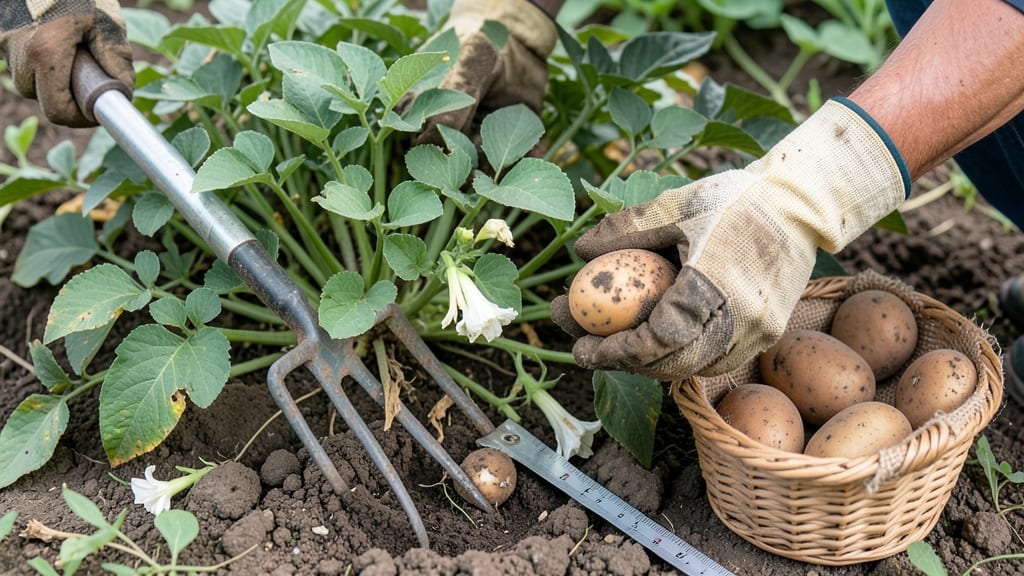
How to know when potatoes are ready to dig can mean the difference between a bountiful harvest and a disappointing one. The right moment isn't just about guessing—it's about watching for specific signs that your 🥔 plants are signaling harvest time. Whether you're growing early new potatoes or larger storage varieties, these cues will help you avoid digging too soon or too late.
One of the first things to watch for is the foliage. When the leaves start turning yellow and begin to die back, that’s a strong indicator that the tubers below are ready. But don’t wait until the plant is completely dead—harvesting too late can lead to split or shriveled potatoes.
Instead, focus on the 3-4 weeks after the flowers fade, when the plant’s energy shifts underground.
Another key test is the soil itself. Gently loosen the dirt around the plant with your fingers—if you can easily feel firm, 1-2 inch potatoes forming, they’re likely ready. For new potatoes, you can even dig a few to check their size without harming the rest of the crop.
This hands-on approach ensures you’re harvesting at peak freshness, whether you’re planning to eat them right away or store them for later.
Timing matters, especially in Zone 6a where spring planting kicks off the growing season. By June or July, depending on your variety, you should be ready to dig—just don’t wait until August if your plants are already showing these signs.
The sooner you act, the better your harvest will be, so keep an eye out for these reliable clues.
Visual and physical signs your potatoes are ready to dig
Potatoes communicate readiness through three clear signals: flowering patterns, leaf color shifts, and tuber development. For new potatoes, harvest as early as 60 days, while storage varieties typically need 90-120 days to reach full maturity.
The key is observing these three stages—each reveals whether your tubers are perfect for digging or still developing.
First, watch the flowering stage. Most varieties bloom 4-6 weeks before harvest. When flowers fade and drop, it’s time to check tuber readiness. This shift indicates the plant is redirecting energy from foliage growth to tuber development below ground.
For example, Yukon Gold flowers fade around 75 days, signaling it’s time to test for maturity.
| Stage | Visual Cues | Action Required |
|---|---|---|
| Early Growth (60 days) | Green leaves, no flowers | Test for new potatoes (1-2" tubers) |
| Flowering (75-90 days) | Flowers fade, leaves yellow slightly | Check tuber firmness and size |
| Maturity (90-120 days) | 75% yellow leaves, stems dry | Harvest immediately to prevent splitting |
Next, perform the soil probe test. Gently loosen the soil around the plant’s base with your fingers. If you feel firm tubers 1-2 inches wide just below the surface, they’re ready for new potato harvests.
For storage varieties, wait until tubers reach 3-5 inches in diameter—they should feel dense and resistant when pressed, not soft or spongy.
Use the finger test for absolute certainty: Dig a small trench near the plant and examine the largest tubers. If they’re firm to the touch with thick, unbroken skin, they’re ready.
Avoid harvesting if tubers are still green or soft, as they won’t store well and may develop hollow heart or rot during storage.
The foliage’s condition is your final clue. When 75% of leaves turn yellow and wilt (a process called senescence), it’s time to act. This typically occurs 3-4 weeks after flowering, depending on your climate.
In cooler Zone 6a regions, this may happen as early as late June, while warmer areas might see it in July or August.
Don’t overlook the variety’s maturity timeline. Early varieties like Red Norland mature in 70-80 days, while late varieties like Kennebec need 100-120 days. Always reference your seed packet—this ensures you harvest at the optimal window for flavor and storage potential.
For example, Russet potatoes should never be harvested before 100 days, as their skins won’t thicken enough for long-term storage.
If you’re still unsure, harvest one test plant. Dig up a single plant and inspect the tubers. This low-risk method lets you confirm maturity without risking the entire crop. Just be gentle when replacing soil to avoid disturbing the roots of neighboring plants.
Remember, timing is everything. Harvesting too early means small, underdeveloped tubers, while waiting too long can lead to shriveled or split potatoes. By combining these visual and physical cues, you’ll know exactly when to dig for a perfect harvest every time.
Visual and physical signs your potatoes are ready to dig
Potatoes send clear signals when they’re ready to harvest, but many gardeners miss the subtle cues. The key is watching for three main indicators: flowering stages, leaf color changes, and tuber firmness.
For example, new potatoes can be harvested as early as 60 days, while storage varieties need 90-120 days to fully mature.
Start by observing the flowering stage. Most potato varieties bloom 4-6 weeks before harvest. When flowers fade and foliage begins yellowing, it’s time to check for tuber readiness. This shift signals the plant is redirecting energy to the tubers below ground.
| Stage | Signs | Action |
|---|---|---|
| Early Growth (60 days) | Green foliage, no flowers | Test for new potatoes (small tubers) |
| Flowering (75-90 days) | Blooms appear, then fade | Check tuber size and skin toughness |
| Maturity (90-120 days) | Yellow leaves, dried stems | Dig immediately to avoid splitting |
Next, perform a soil test by gently probing the earth around the plant with your fingers. If you feel small tubers 1-2 inches wide just below the surface, they’re ready for new potato harvests.
For storage varieties, wait until the tubers are 3-5 inches in diameter and the skin is thick and resistant to piercing.
One foolproof method is the "finger test": Dig a small trench near the plant and check the largest tubers. If they’re firm to the touch and the skin doesn’t bruise easily, they’re ready. Avoid harvesting if the tubers are still green or soft, as they won’t store well.
Pay attention to the foliage’s condition. When 75% of leaves turn yellow and die back (a process called "senescence"), it’s a strong signal that tubers have reached maturity. This usually happens 3-4 weeks after flowering, depending on your climate. In cooler regions, this may occur earlier.
Finally, consider the variety’s maturity timeline. Early varieties like Yukon Gold or Red Pontiac mature in 70-90 days, while late varieties like Russet or Kennebec need 100-120 days. Always check the seed packet for specific guidance—this ensures you don’t miss peak harvest time.
If you’re unsure, dig up one plant as a test. This lets you inspect the tubers without committing to a full harvest. Just be gentle to avoid damaging the remaining plants.