
How To
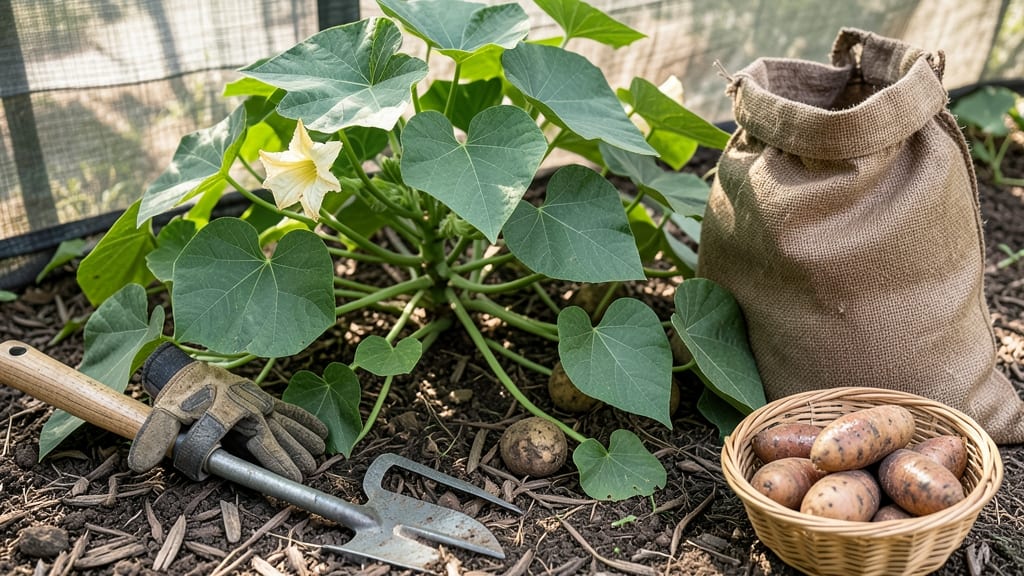
How to know when to dig up sweet potatoes is the difference between a bumper harvest and wasted effort—because waiting too long means frost damage, while harvesting too early leaves you with small, underdeveloped tubers.
Most gardeners wait 90–140 days after planting, but the real clues lie in your plants' behavior. Yellowing leaves, crispy vines, and skin that resists your fingernail are all signs your sweet potatoes are ready to pull from the soil.
I’ll walk you through the three key signals to watch for, plus how to check soil conditions and avoid common mistakes that ruin your crop. No guesswork—just a foolproof way to know when it’s time to harvest.
Whether you’re a first-time grower or a seasoned gardener, these tips will help you save time and ensure your sweet potatoes are perfectly ripe for storage or cooking.
Sweet potato leaf color changes: the first sign it’s time to harvest
Sweet potatoes send clear signals through their foliage when it’s time to harvest. The most reliable indicator is a color shift from vibrant green to yellow or brown. This change happens as the plant redirects energy from leaves to root development, typically 90–140 days after planting.
Start watching for yellowing leaves around late summer, especially if your region’s first frost is approaching. In USDA Zone 6a, this usually occurs in September or October. The yellowing begins at the edges and progresses inward, signaling the plant is maturing.
Don’t wait for leaves to die completely—harvest when about 50–70% of leaves have yellowed. Overripe tubers develop tough skin and lose sweetness. For early varieties, yellowing may appear sooner (around 90 days), while late varieties can take up to 140 days.
Pay attention to the rate of yellowing. If leaves turn brown overnight, frost or disease may be at play. In this case, harvest within 24 hours to salvage your crop. For organic gardeners, avoid using herbicides—let leaves die naturally to prevent tuber damage.
Another key visual cue is the vine health. Healthy vines should feel firm but pliable. If they snap easily or feel mushy, the plant is stressed, and tubers may be stunted. Wilting vines without yellowing can indicate underwatering, not maturity.
Regional differences matter! In warmer climates (e.g., Zone 8+), sweet potatoes may stay green longer. Here, focus on day length—shortening days trigger maturity. In cooler zones, prioritize frost timing over leaf color alone.
Pro tip: Use a gardening journal to track leaf color changes year over year. Note the exact day yellowing starts and how long it takes to reach harvest readiness. This helps adjust future planting schedules for optimal timing.
If you’re unsure whether to harvest, perform a fingernail test on the soil near the plant. Gently press your fingernail into the ground—if it resists, tubers are likely ready. Combine this with leaf color for 100% accuracy.
Remember: Harvesting too early means small, starchy tubers, while harvesting too late risks tough skin and poor storage life. Balance leaf signals with soil conditions and weather forecasts for perfect timing.
Sweet potato leaf color changes: the first sign it’s time to harvest
Sweet potatoes send clear signals when they’re ready to harvest, and the most obvious clue is their leaf color. Unlike regular potatoes, sweet potatoes rely on their foliage health to indicate root maturity.
When the leaves start yellowing, it’s your first warning that the tubers below are nearing perfection. This natural process happens as the plant shifts energy from leaves to roots, preparing for dormancy.
Watch for uniform yellowing across the plant—not just a few scattered leaves. If the entire foliage turns yellow-brown and begins to wilt, your sweet potatoes are likely ready. This typically occurs 90–140 days after planting, depending on your climate and variety.
In cooler regions, this shift often happens 3–5 weeks before the first frost, giving you time to harvest before cold weather sets in.
🌱 Sweet Potato Leaf Color Guide
| Leaf Color | Stage | Action |
|---|---|---|
| Bright green | Growing season | Continue care, no harvest |
| Yellowing edges | Early maturity | Monitor for full yellow |
| Uniform yellow-brown | Ready to harvest | Dig within 1–2 weeks |
| Crispy, brown leaves | Overripe | Harvest immediately |
Don’t confuse natural yellowing with disease-related browning. Healthy yellowing is gradual and affects the entire plant, while fungal spots or wilting in patches could signal stress. If you notice blackened stems or mold, address the issue before harvesting.
Once the leaves are fully yellow and crispy, the tubers are typically at their peak sweetness and size.
Another key detail is the speed of leaf drop. If the vines die back quickly over 1–2 weeks, your sweet potatoes are ready. However, if leaves linger green for weeks after the rest of the plant yellows, the tubers may still need time to mature.
This is especially common in hotter climates, where the growing season extends longer.
Pro tip: Check your local frost dates and plan to harvest before the first frost. Sweet potatoes are frost-sensitive, and cold temperatures can damage both the tubers and the plant.
If frost is imminent and your leaves aren’t fully yellow, you can accelerate maturity by stopping watering for 1–2 weeks before the expected frost date. This trick forces the plant to focus on root development.
Once you spot these leaf color changes, combine this visual cue with a soil and tuber check to confirm readiness. The next section will walk you through 3 non-destructive tests to avoid digging too soon or too late.