
Landscaping
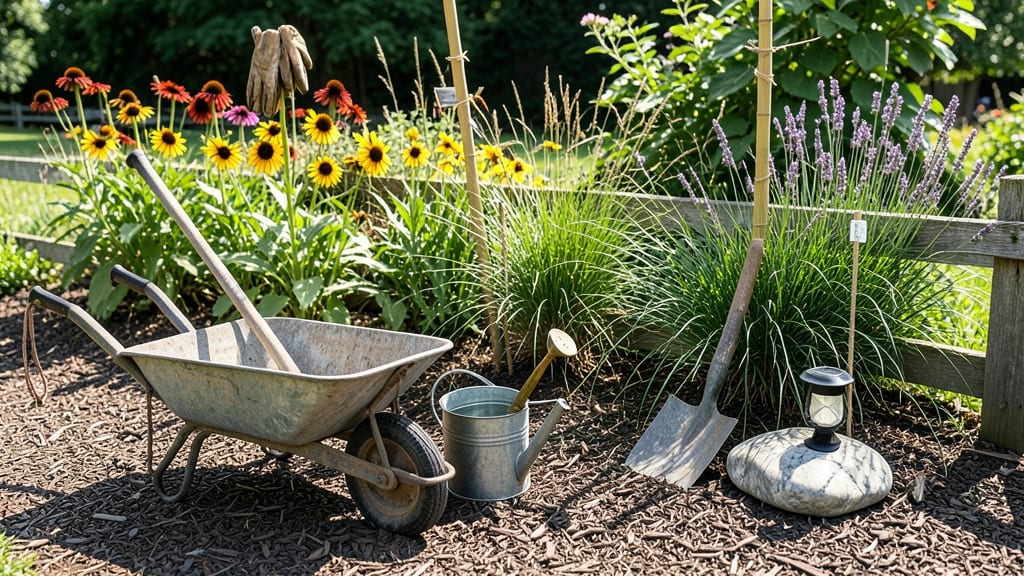
How to landscape a flower garden that stays vibrant year-round—without the constant upkeep—is easier than you think. 🌸 I’ve designed gardens that bloom nonstop from spring tulips to winter pansies, using simple layouts that hide the work while maximizing beauty. The secret isn’t fancy plants; it’s smart placement and a few pro tricks that cut maintenance in half.
Start with the right layout: group plants by sunlight needs, layer heights for drama, and leave room for paths (even narrow ones) to keep weeds at bay. My go-to combo?
Tall perennials at the back, mid-height shrubs in the middle, and spillers like petunias along edges. Add mulch—it’s the unsung hero that saves water and keeps soil healthy.
By the end, you’ll have a garden that looks polished with minimal effort. Think: bold colors that pop, fragrant blooms that draw in pollinators, and a design that grows with you—not against you. No more guessing which plants to pair or how to hide the bare spots.
This works for any space—small city yards, rural acres, or even container gardens. Let’s skip the overwhelm and get straight to the low-maintenance, high-impact plan that actually delivers.
📚 In This Guide
- What you need
- Instructions
- Tips and common mistakes
- Wrapping up and next steps
What you need
- ● Topsoil or garden soil: 1–2 cubic yards (depending on garden size; opt for a mix with compost for nutrient-rich soil).
- ● Mulch: 2–3 bags (shredded bark or pine straw works great for moisture retention and weed control).
- ● Flower bulbs/seeds/plants: Perennials (e.g., coneflowers, black-eyed Susans): 10–20 plants per 100 sq. ft.
- ● Annuals (e.g., petunias, marigolds): 15–30 plants per 100 sq. ft. (for seasonal color).
- ● Ground covers (e.g., creeping thyme, ajuga): 5–10 plants per 100 sq. ft. (for low-maintenance fillers).
- ● Garden fertilizer: Slow-release granular (10–20 lbs per 100 sq. ft.) or organic options like composted manure.
- ● Garden stakes or labels: 20–50 stakes (for plant identification, especially in large gardens).
- ● Hand trowel: 1 (for planting small bulbs/seeds).
- ● Garden shovel: 1 (for digging and moving soil).
- ● Pruners: 1 pair (bypass pruners for clean cuts).
- ● Wheelbarrow: 1 (for hauling soil, mulch, or plants).
- ● Measuring tape: 1 (to map out garden beds and spacing).
- ● Garden hose with spray nozzle: 1 (for watering and cleaning tools).
- ● Knee pads or cushion: 1 (because gardening is hard on the knees!).
- ● Garden gloves: 1–2 pairs (to protect your hands from thorns or soil).
- ● String or spray paint: 1 roll/spray can (to outline garden beds before digging).
- ● Drip irrigation system: 1 kit (for automated, low-maintenance watering).
- ● Decorative rocks or edging: 5–10 lbs (to define garden borders elegantly).
- ● Plant food or liquid fertilizer: 1 bottle (for a mid-season nutrient boost).
Step-by-Step instructions for designing a low-maintenance flower garden
Here's how to create a vibrant, easy-care garden that blooms from spring through fall.
🪴 Step 1: Plan Your Garden Layout and Choose Plant Zones
Start by sketching your space on paper, noting sun exposure in different areas. Divide your garden into three zones: full sun (6+ hours), partial shade (3-6 hours), and full shade (less than 3 hours). I always place thirsty perennials like daylilies and coneflowers in the sunniest spots, while shade-lovers like hostas and astilbes get the cooler areas.
Measure each zone and mark where hardscapes (paths, patios) will go. Leave 18-24 inches between plants at maturity to prevent overcrowding. Pro tip: Group plants with similar water needs together—this saves time and keeps everything thriving.
☀️ Step 2: Select Season-Long Bloomers and Foliage Plants
Pick plants that offer continuous color, starting with early spring bloomers like bleeding heart or lungwort, then layering in summer favorites like black-eyed Susans and zinnias, and finishing with fall asters or goldenrod. Add foliage plants like heuchera or ornamental grasses for year-round interest.
I like to use a 50/30/20 rule: 50% perennials (low-maintenance), 30% annuals (for pops of color), and 20% shrubs or grasses (for structure). This mix ensures your garden never looks bare. Check each plant’s mature height and spread to avoid surprises later.
🌱 Step 3: Prepare the Soil and Plant with Proper Spacing
Loosen the soil to a depth of 12 inches, working in 2-3 inches of compost. This improves drainage and feeds roots without overwhelming plants. For heavy clay soil, mix in sand or perlite. Test your soil’s pH—most flowers thrive in 6.0-7.0.
Dig holes twice as wide, but only as deep as the root ball. Place each plant so the top of the root ball sits just below soil level. Water deeply before backfilling to eliminate air pockets. Mulch with 2-3 inches of organic mulch, leaving a gap around stems to prevent rot.
💧 Step 4: Install Irrigation and Mulch for Low Maintenance
Set up a drip irrigation system, placing emitters near each plant’s root zone. Water deeply 2-3 times per week, adjusting for rainfall. A soaker hose or timed sprinkler works too—just avoid overhead watering, which spreads disease. I always install a rain gauge to track moisture levels.
Spread mulch evenly, keeping it 3 inches away from plant stems. This suppresses weeds, retains moisture, and regulates soil temperature. Refresh mulch annually—it breaks down over time. For extra protection, add a layer of landscape fabric, especially in high-weed areas.
✂️ Step 5: Add Finishing Touches and Maintain Seasonally
Add hardscape elements like stepping stones, a small bench, or a trellis for vertical interest. I like to include a few evergreen shrubs, like boxwood or dwarf holly, to anchor the design year-round. Place a few ornamental grasses for movement and texture—nothing adds drama like swaying foliage.
Prune spent blooms regularly to encourage more flowers and keep the garden tidy. In early spring, cut back dead foliage to 6 inches, but leave seed heads for winter interest if you prefer a natural look. Fertilize lightly in spring with balanced, slow-release fertilizer, following package instructions.
Tips & tricks for perfect season-long flower garden layouts
Creating a garden that thrives year-round takes a few key strategies—here's how to avoid common pitfalls and maximize beauty with minimal effort.
Zone Planning: When mapping your garden in Step 1, use a simple sunlight tracker for a week to confirm your zones. I place a small flag or stake in each area and note how many hours of direct sun each spot gets daily. This prevents guessing—you'll know exactly where your sun-loving daylilies belong versus shade-tolerant hostas. The 18-24 inch spacing between mature plants (mentioned in Step 1) becomes especially important in sun zones, where plants grow faster.
Plant Selection Strategy: For continuous color, I always include at least three blooming cycles: early spring (like lungwort), mid-summer (black-eyed Susans), and fall (asters). The 50/30/20 rule from Step 2 works perfectly, but I add one more layer—include at least one native plant in each zone. Native plants require less water, attract pollinators, and thrive with minimal care. Check your local nursery for region-specific recommendations.
Soil Preparation: The 12-inch soil loosening in Step 3 is crucial, but don't stop there. After amending with compost, I always do a quick "percolation test" by pouring 1 cup of water into the hole before planting. If water drains in less than 10 seconds, your soil is too sandy—add 1 cup of peat moss to the hole. If it takes more than 30 seconds, add sand instead. This simple test prevents waterlogged roots or thirsty plants.
Watering Wisdom: The 2-3 times weekly watering schedule in Step 4 works, but timing matters more than frequency. I water deeply in the early morning (between 4-8 AM) to reduce evaporation and fungal risks. For new plants, I use a watering wand to gently soak the root ball—this encourages roots to spread outward rather than staying clustered. A rain gauge (mentioned in Step 4) helps track when you can skip watering entirely during rainy periods.
Pro Tips for Landscape A Flower Garden
- Creating a garden that thrives year-round takes a few key strategies—here's how to avoid common pitfalls and maximize beauty with minimal effort.
- Zone Planning: When mapping your garden in Step 1, use a simple sunlight tracker for a week to confirm your zones.
- Plant Selection Strategy: For continuous color, I always include at least three blooming cycles: early spring (like lungwort), mid-summer (black-eyed Susans), and fall (asters).
Frequently asked questions
Got questions about transforming your space into a stunning, low-maintenance flower garden? We’ve got answers! Here are some of the most common queries to help you plan like a pro.
What’s the best time of year to start landscaping a flower garden?
The ideal time depends on your climate, but spring (after the last frost) or early fall (6-8 weeks before frost) are the sweet spots. Spring lets you establish roots before summer heat, while fall offers cooler temps and fewer pests. In warmer zones, winter can work too—just avoid planting when extreme temps are expected!
How can I landscape a flower garden on a budget?
Start small with native plants (they’re hardy and cheap!) and swap expensive mulch for free alternatives like grass clippings or fallen leaves. Shop sales at garden centers, divide existing perennials to propagate, and DIY hardscaping with rocks or bricks. Thrift stores often have vintage planters too—just sanitize them first!
What’s the easiest way to keep pests and weeds out of my flower garden?
Prevention is key! Use organic mulch (3–4 inches deep) to smother weeds and retain moisture. Plant pest-repelling companions like marigolds, lavender, or basil near vulnerable flowers. For stubborn weeds, pull them early and often—they’re easier to remove when young. A light layer of landscape fabric under mulch can also help long-term.
How do I create a low-maintenance flower garden layout?
Group plants by water needs, sunlight, and height to minimize effort. Place thirsty plants together near a drip irrigation line, and tuck taller flowers (like delphiniums) at the back. Use perennials and shrubs for structure—they return yearly, while annuals add seasonal pops with less upkeep. Add a ground cover (like creeping thyme) to reduce weeds.
What if my soil is poor? Can I still have a beautiful flower garden?
Test your soil first (many local extensions offer free kits). Amend with compost or aged manure to improve texture and nutrients. For clay soil, mix in sand or peat moss; for sandy soil, add organic matter to retain moisture. Raised beds are another great option—they let you control the soil mix entirely!
How often should I fertilize my flower garden?
Over-fertilizing can harm flowers! For most gardens, apply a balanced, slow-release fertilizer (10-10-10) in early spring, then top-dress with compost mid-season. Water deeply after fertilizing to prevent root burn. Avoid high-nitrogen feeds (like lawn fertilizer)—they encourage leafy growth over blooms. Native plants often need little to no fertilizer once established.
Wrapping up and next steps
Landscaping a stunning, low-maintenance flower garden is all about strategic planning—balancing color, texture, and seasonal blooms while keeping upkeep simple. 🌸 By choosing the right plants, grouping them by sunlight needs, and prioritizing mulch and hardscaping, you’ll create a vibrant space that thrives with minimal effort.
Remember, the key is to start small, observe, and refine as you go!
Now that you’re armed with the know-how, grab those gardening gloves and take the first step—sketch your dream layout or visit a local nursery for inspiration. Every great garden begins with a single shovel in the soil! 🌱