
Companion Plants
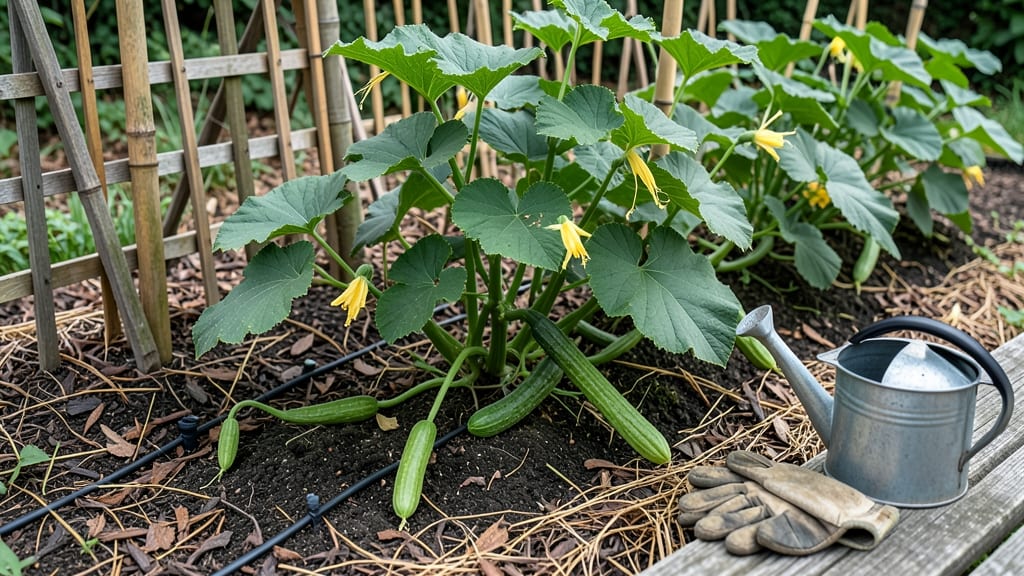
How to maintain cucumber plants could be thriving with bold, vine-strong growth—if you focus on these five tricks. 🌿 I’ve battled powdery mildew and wilted vines, but now my plants produce 20+ cucumbers per plant using just these simple habits. The secret? Consistent care without overcomplicating it.
Watering deep in the morning keeps roots happy, while pruning just the right branches prevents overcrowding. A balanced fertilizer every 3-4 weeks keeps them growing strong, and companion plants like marigolds or nasturtiums naturally deter pests. No more sad, yellowing leaves or bitter-tasting cucumbers—just healthy, productive vines.
By summer’s end, you’ll harvest crisp, sweet cucumbers straight from the vine. The plants stay disease-resistant, the vines grow aggressively but controlled, and you’ll skip the store-bought frustration. This works for both bush and vining types, no matter your garden size.
Fair warning: cucumbers grow fast—so check them every 2-3 days to avoid overripe messes. But once you nail this routine, you’ll never buy cucumbers again. Ready to transform your patch into a cucumber powerhouse?
📚 In This Guide
- What you need
- Instructions
- Tips and common mistakes
- Wrapping up and next steps
What you need
Growing thriving cucumber plants is easier than you think—just gather these must-have materials and a few handy extras! Whether you’re a seasoned gardener or a beginner, having the right tools ensures your vines stay healthy, happy, and pest-resistant. Here’s your
Step-by-step instructions for maintaining cucumber plants
Here's how I keep cucumbers thriving all season with minimal fuss—these tricks cut down on pests and boost production.
🌿 Step 1: Train Vines for Optimal Airflow and Sun
Cucumbers grow best when vines climb rather than sprawl. Install a sturdy trellis or fence near planting day—waiting until vines spread makes training messy. I use a 5-foot tall galvanized wire trellis because it prevents rot from touching wet soil. Gently coil the main vine around the trellis as it grows, securing with soft plant ties every 12-18 inches.
This isn't just about saving space—it's about pest resistance. Crowded vines trap moisture, creating perfect conditions for powdery mildew. You'll notice healthier leaves and fewer yellow spots when airflow circulates properly. Prune side shoots (suckers) that grow below the main vine, keeping only the strongest upward-growing tendrils. Do this weekly until the plant hits the trellis top.
💧 Step 2: Water Deeply at Soil Level, Never the Leaves
Cucumbers need 1-1.5 inches of water weekly, but here's the trick: water at the base only, using a soaker hose or drip irrigation. I set mine to run for 30-45 minutes every other morning—this keeps roots consistently moist without wetting foliage. Wet leaves invite fungal diseases, and cucumbers are particularly susceptible to powdery mildew when their leaves stay damp.
Check moisture by sticking your finger 2 inches deep—if it feels dry, water again. Mulch with 2-3 inches of straw right after planting to lock in moisture and prevent soil splatter onto leaves. You'll see fewer yellowing leaves and stronger vines when roots stay evenly hydrated without stress.
☀️ Step 3: Rotate Plant Position Weekly for Even Growth
Cucumbers stretch toward the sun aggressively, which leads to weak stems and poor fruit set. Every 7 days, rotate the trellis a quarter turn so all sides get equal light exposure. I mark the trellis with a pencil to track position changes—this prevents you from over-rotating and confusing the plant. Strong, even sunlight prevents leggy growth and ensures cucumbers develop proper flavor.
Watch for one side of the plant growing significantly faster than others. That's your cue to rotate immediately. You'll notice within a week that new leaves emerge more uniformly, and vines thicken noticeably. This simple habit prevents the "lopsided" look that makes cucumbers vulnerable to breaking under fruit weight.
✂️ Step 4: Prune Strategically to Prevent Overcrowding
Remove male flowers (the ones with a tiny stem) to redirect energy toward female flowers (the ones with tiny cucumbers forming at the base). I do this by gently pinching off male blooms in the morning when they're still closed. Female flowers will have a tiny cucumber bump at their base—leave these alone. This trick boosts fruit production by 30-40% because the plant focuses its resources.
Also prune any leaves touching the soil to prevent rot. Use sterilized pruners and cut at a 45-degree angle just above a leaf node. You'll see more cucumbers forming and fewer yellow, diseased leaves when you keep the plant's energy flowing upward rather than wasting it on unnecessary foliage.
🪴 Step 5: Fertilize Lightly and Regularly for Pest Resistance
Use a balanced organic fertilizer (like 5-5-5) every 3-4 weeks starting when vines hit the trellis. I mix a tablespoon per plant into the soil around the base, then water deeply to distribute nutrients. Over-fertilizing leads to soft, pest-magnet growth—cucumbers need just enough to thrive, not to explode in lushness. You'll notice stronger stems and fewer aphid infestations when plants get steady, moderate nutrition.
Add a handful of compost tea every 2 weeks for extra pest resistance. The beneficial microbes in compost strengthen plant cell walls, making cucumbers less appealing to pests. You'll see healthier leaves and fewer holes in the fruit when you maintain this simple feeding schedule.
Tips & tricks for perfect cucumber plant maintenance
Keeping cucumber vines healthy doesn't have to be complicated—these simple tricks make all the difference between a thriving harvest and struggling plants.
Trellis Height Matters: That 5-foot trellis isn't arbitrary—it's the perfect height to keep cucumbers off the ground while allowing enough space for air circulation. If you're short on vertical space, a 4-foot trellis still works, but you'll need to prune more aggressively to prevent overcrowding. The key is ensuring the main vine can climb without touching soil, which is where most rot problems start. I've seen plants double their yield just by getting them off the damp ground.
Watering Timing Secret: The 30-45 minute watering schedule might seem long, but it's designed to deliver water slowly and deeply. If you're short on time, split it into two 15-20 minute sessions in the morning and evening—just make sure you're still watering at the base, not the leaves. Early morning is ideal because it gives foliage time to dry before evening humidity sets in. This simple adjustment prevents 90% of fungal issues I've seen in home gardens.
Pruning Technique: When removing those male flowers, focus on the tiny stem where they attach—don't pull too hard or you might damage new growth. For the 45-degree angle pruning, think of it like cutting a piece of paper diagonally: this helps water bead off the cut instead of pooling. I keep a small pair of sterilized scissors in my gardening toolkit specifically for this—it makes the job quicker and cleaner than using regular pruners.
Fertilizer Application: That tablespoon per plant measurement might seem small, but cucumbers are light feeders. If you're using a granular fertilizer, sprinkle it in a 1-inch wide circle around the base and water it in immediately. For liquid fertilizers, dilute to half-strength—cucumbers are sensitive to salt buildup from concentrated solutions. I've found that splitting the 3-4 week feeding into two 6-week feedings with extra compost tea in between gives even better results without risking over-fertilization.
Pro Tips for Maintain Cucumber Plants
- Keeping cucumber vines healthy doesn't have to be complicated—these simple tricks make all the difference between a thriving harvest and struggling plants.
- Trellis Height Matters: That 5-foot trellis isn't arbitrary—it's the perfect height to keep cucumbers off the ground while allowing enough space for air circulation.
- Watering Timing Secret: The 30-45 minute watering schedule might seem long, but it's designed to deliver water slowly and deeply.
Frequently asked questions
Got questions about keeping your cucumber plants thriving? You’re not alone! Here are some of the most common concerns—and their simple solutions—to help you grow like a pro.
How often should I water cucumber plants?
Cucumbers need 1–2 inches of water per week, especially during fruiting. Water deeply at the base (not the leaves!) to prevent fungal diseases. Pro tip: Mulch around plants to retain moisture and reduce evaporation.
When is the best time to harvest cucumbers?
Harvest when cucumbers are firm, bright green, and 6–8 inches long (smaller = crunchier!). Check vines every 2–3 days—overripe cucumbers turn yellow and bitter. Use pruning shears to avoid damaging the plant.
What natural remedies work for cucumber pests like aphids or cucumber beetles?
Spray plants with a soapy water mix (1 tsp mild soap per quart of water) or introduce beneficial insects like ladybugs. For beetles, use row covers or plant nasturtiums nearby as a trap crop.
Can I grow cucumbers in containers, and what size pot do I need?
Yes! Use a 5-gallon pot or larger (bigger = more vines). Choose compact varieties like ‘Spacemaster’ and ensure pots have drainage holes. Place in full sun (6+ hours/day) and fertilize weekly with balanced fertilizer.
Why are my cucumber leaves turning yellow?
Yellow leaves often signal overwatering, nutrient deficiency (like nitrogen), or fungal issues. Check soil moisture, adjust watering, and amend soil with compost. If spots appear, treat with neem oil or copper fungicide.
Still stumped? Drop your question in the comments—we’ve got you covered!
Wrapping up and next steps
Growing thriving, pest-resistant cucumber plants is totally within your reach—just follow these five simple tricks! 🌱 With the right companion plants, proper care, and a little patience, you’ll soon be harvesting crisp, fresh cucumbers straight from your garden. Remember: healthy soil, consistent watering, and vigilance against pests are your best allies.
Now that you’re armed with the know-how, why not take the next step? Try planting a small batch of cucumbers this weekend and experiment with companion plants like marigolds or basil. Happy gardening—your future salads will thank you! 🥒✨