
Shrubs
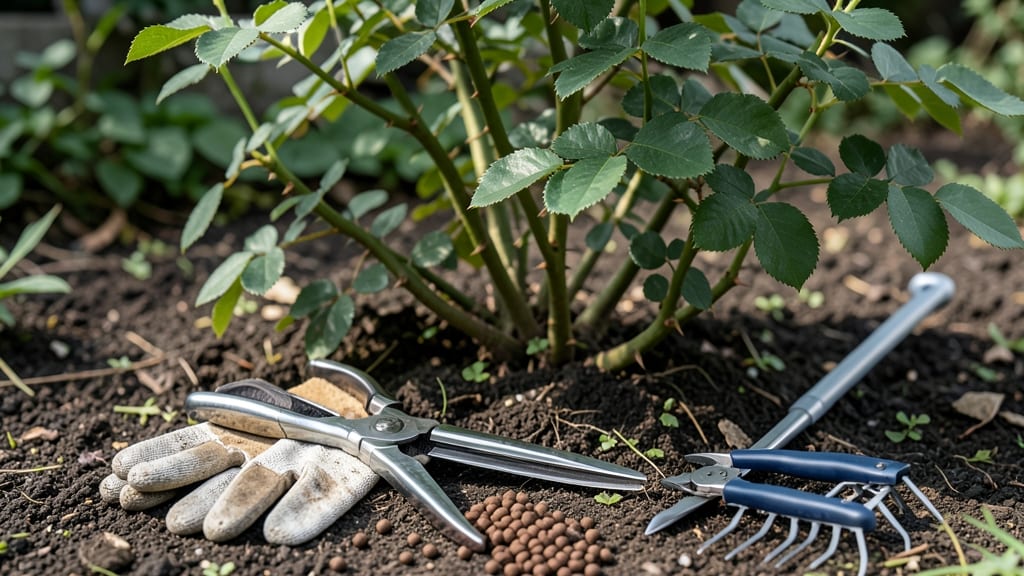
How to make a rose bush fuller—your sparse stems can turn into a shockingly lush display in just one season. ✨ The secret isn’t hidden—it’s in how you prune, feed, and position your plant. I’ve turned my own leggy, sparse roses into dense, blooming bushes using these three game-changing steps.
Pruning is where it all begins. Most people cut too late or too aggressively, but the right cuts—just above an outward-facing bud—encourage new growth where you want it.
Pair that with a balanced fertilizer (high in phosphorus for roots, nitrogen for foliage) and 6+ hours of sunlight daily, and your bush will thicken like crazy.
By summer’s end, you’ll see fuller canes, more buds, and fewer gaps between stems. The key is consistency: prune in early spring, feed monthly, and watch as your rose transforms from a skeleton to a bloom-filled powerhouse.
This works for hybrid teas, floribundas, and even old garden roses—no matter how sparse they look now. Let’s get those branches branching out properly!
📚 In This Guide
- What you need
- Instructions
- Tips and common mistakes
- Wrapping up and next steps
What you need
- ● Pruning shears or bypass pruners – Sharp, clean, and sterilized (1 pair). Avoid dull blades—they crush stems!
- ● Gloves – Heavy-duty garden gloves (1 pair) to protect from thorns and dirt.
- ● Hose or watering can – For post-pruning hydration (with filtered or rainwater if possible).
- ○ Balanced fertilizer – 10-10-10 or 20-20-20 NPK ratio (1 lb per 10 sq ft of garden bed). Optional: Slow-release granules for convenience.
- ● Compost or organic mulch – 2–3 inches of aged compost or shredded bark to retain moisture and nutrients.
- ● Disinfectant (bleach or rubbing alcohol) – To sterilize pruners between cuts (1:9 bleach-water ratio or 70% isopropyl alcohol).
- ● Rose-specific fertilizer – High in phosphorus (e.g., 5-10-5) to boost blooms.
- ● Epsom salt – 1 tbsp per gallon of water (monthly spray for magnesium boost).
- ● Plant growth stimulator – Like seaweed extract (1 tsp per gallon) to encourage regrowth.
- ● Stakes or trellis – If your rose bush is leggy, lightweight stakes can support new growth.
- ● Reflective mulch or light-colored fabric – To deter pests or reduce heat stress in hot climates.
Step-by-Step instructions for revitalizing a rose bush
Here’s how I transform sparse rose bushes into lush, fuller plants every season—no fancy tools required.
✂️ Step 1: Prune for Structure and Airflow
Start in late winter or early spring when the bush is still dormant. Grab your pruning shears and cut back one-third of the oldest stems to the ground—these are the ones that produce fewer blooms. Look for thick, woody canes that haven’t bloomed well in years; these are the first to go.
For the remaining stems, make clean cuts at a 45-degree angle just above an outward-facing bud. This encourages new growth to spread outward, filling in the center. Avoid leaving stubs—always cut ¼ inch above the bud to prevent disease. I like to prune on a dry day so the cuts heal faster.
🌱 Step 2: Fertilize for Strong New Growth
After pruning, feed your rose bush with a balanced rose fertilizer (10-10-10 or similar). Sprinkle the granules evenly around the base, 6 inches from the stem, and water deeply to help them dissolve into the soil. This gives the plant the nutrients it needs to push out fresh, vigorous canes.
For an extra boost, mix in 2-3 inches of compost around the root zone. This improves soil structure and provides slow-release nutrients. Avoid overdoing it—too much fertilizer can burn roots, so stick to the recommended dosage on the package.
☀️ Step 3: Provide Consistent Sunlight and Water
Roses thrive in full sun (6+ hours daily), so ensure your bush gets plenty of light. If it’s been in shade, gradually move it to a sunnier spot over a few weeks to avoid shocking the plant. I’ve seen roses in partial shade struggle to fill out—new growth gets leggy and sparse.
Water deeply once a week, soaking the soil to 12 inches down. Let the top inch dry out between waterings to prevent root rot. Mulch with 2-3 inches of organic mulch (like shredded bark) to retain moisture and keep roots cool. This helps the bush focus energy on growing fuller rather than searching for water.
🌿 Step 4: Encourage Bushier Growth with Regular Care
Throughout the growing season, pinch back new growth when it reaches 4-6 inches tall. This means snipping the tip just above a set of leaves to encourage branching. You’ll see side shoots form within a few weeks—these are the secret to a fuller bush.
Deadhead spent blooms regularly to redirect the plant’s energy into producing more flowers and foliage. I also keep an eye out for suckers (shoots growing from the base) and remove them unless they’re strong and healthy. This prevents overcrowding and ensures the bush stays tidy and lush.
Tips & tricks for perfect rose bush regrowth
Here's what nobody tells you about transforming a sparse rose bush into a lush, thriving beauty—these secrets make all the difference.
Tool Tip: Sterilize your pruning shears before and after use with rubbing alcohol or a 10-second flame. Clean cuts heal faster and prevent diseases like black spot from spreading. I keep a small bottle of rubbing alcohol in my gardening toolkit for quick sterilization between cuts—it's a game-changer for maintaining plant health.
Pruning Precision: When making those 45-degree cuts in Step 1, look for buds that face outward from the center of the bush. These buds will grow outward, filling in the sparse areas. I mark the direction of the bud with my thumb before cutting to ensure perfect placement—this simple trick creates that full, rounded shape we all want.
Seasonal Timing: Late winter or early spring is ideal for pruning because the bush is still dormant but about to wake up. If you prune too early, you risk damaging new growth that might be starting underground. I've learned this the hard way after accidentally pruning in late winter and seeing delayed blooms that season.
Fertilizer Strategy: After applying your balanced rose fertilizer in Step 2, water it in immediately to help dissolve the granules. I like to use a watering can with a fine rose attachment to distribute water evenly around the base. This prevents fertilizer burn while ensuring the roots get the nutrients they need for vigorous new growth.
Pro Tips for Make A Rose Bush Fuller
- Here's what nobody tells you about transforming a sparse rose bush into a lush, thriving beauty—these secrets make all the difference.
- Tool Tip: Sterilize your pruning shears before and after use with rubbing alcohol or a 10-second flame.
- Pruning Precision: When making those 45-degree cuts in Step 1, look for buds that face outward from the center of the bush.
Frequently asked questions
How often should I prune my rose bush to keep it fuller?
Prune your rose bush 2-3 times a year: once in early spring (before new growth), again after the first flush of blooms, and lightly in summer if needed. Avoid heavy pruning in fall—this can stimulate tender growth that won’t survive winter. Focus on selective shaping, not drastic cuts!
Can I use regular lawn fertilizer to make my rose bush bushier?
No—rose bushes thrive on rose-specific fertilizer (high in phosphorus for roots and blooms) or a balanced 10-10-10 blend. Lawn fertilizer is too heavy in nitrogen, which promotes leafy growth over flowers. Pro tip: Mix in compost or bone meal for extra phosphorus!
Why does my rose bush look full but still not bloom much?
Lack of blooms often means over-pruning, poor sunlight, or weak roots. Check for:
- 6+ hours of sunlight daily (roses need full sun!)
- Deadheading (removing spent blooms)
- Balanced fertilizer (not just nitrogen)
Is it too late to prune my rose bush in summer for fuller growth?
Light pruning in summer is fine—just avoid heavy cuts! Focus on:
Combine pruning + feeding + sunlight for quick results:
Avoid pruning in extreme heat (above 90°F) to prevent shock.
What’s the fastest way to fill out a leggy rose bush?
New growth should appear in 4-6 weeks!
Wrapping up and next steps
Transforming your rose bush into a luxuriant, fuller beauty is totally within reach! With the right mix of pruning techniques, nutrient-rich feeding, and sunlight optimization, you’ll watch those branches burst with vibrant blooms.
Remember, patience and consistency are your best friends—every trim and feed brings you closer to that dreamy, dense foliage you’re craving. 🌹
Ready to see the results? Grab your pruners, check your soil, and take action this weekend. Your rose bush—and your garden—will thank you!