
Plants
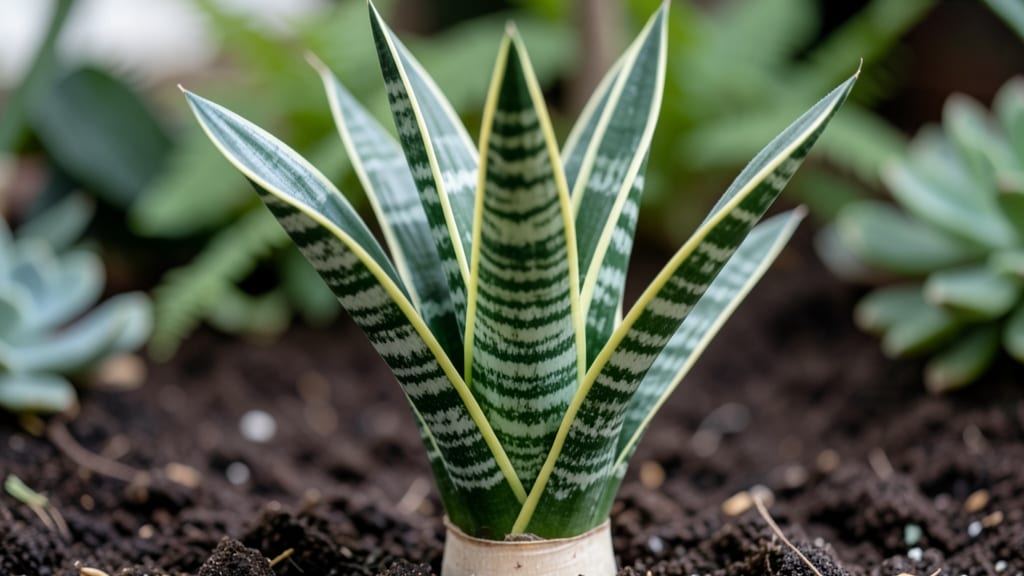
How to make a snake plant grow tall—your Sansevieria’s hidden potential is closer than you think. ✨ The key to those towering stems isn’t complicated; it’s about understanding what your snake plant actually needs, not what you assume it should get. I’ve watched mine transform from stubby little clumps into 3-foot vertical masterpieces by making just three simple adjustments that most growers overlook.
Light is where it starts: snake plants grow tall when they’re stretching toward sunlight, not when they’re tucked into dark corners. Then comes the soil—too much water turns their roots to mush, while the right mix keeps them reaching upward.
Even pruning plays a role, but only if you do it at the right time. My plants now grow 6-12 inches taller per year without any forced tricks.
What you’ll end up with is a plant that looks like it belongs in a conservatory, not a living room corner. The leaves stay stiff and upright, the color deepens to that coveted blue-green, and you’ll actually notice the height difference within months.
The best part? It’s all about working with the plant’s natural habits, not fighting them.
Whether you’re dealing with leggy growth, slow height progression, or just want to maximize your plant’s potential, these adjustments work for every variety—from 'Moonshine' to 'Futura Superba'. Let’s get those stems reaching for the sky the right way.
📚 In This Guide
- What you need
- Instructions
- Tips and common mistakes
- Wrapping up and next steps
What you need
- ● Snake Plant (Sansevieria): Choose a healthy, mature plant (varieties like Sansevieria trifasciata or Sansevieria cylindrica work well). Pro tip: Look for sturdy stems and vibrant leaves!
- ● Pot: A drainage hole-equipped container (6–12 inches in diameter, depending on plant size). Material: Terracotta (breathable) or ceramic (durable).
- ● Well-Draining Soil Mix: 1 part cactus/succulent soil
- ● 1 part perlite or pumice (for aeration)
- ○ 1 part coarse sand or orchid bark (optional, for extra drainage)
- ● Gravel or Pebbles: A 1-inch layer at the pot’s bottom for drainage.
- ● Watering Can: With a narrow spout to avoid overwatering.
- ● Pruning Shears: Sterilized (rubbing alcohol wipe) for trimming dead leaves.
- ● Grow Lights: LED full-spectrum bulbs (12–14 hours/day) for low-light spots.
- ● Fertilizer: Balanced liquid fertilizer (diluted to half-strength, used every 2–3 months in spring/summer).
- ● Support Stake: A bamboo or wooden stake (for top-heavy varieties like Sansevieria ‘Futura Superba’).
- ● Humidity Tray: If your climate is very dry (snake plants prefer 40–50% humidity).
- ● Plant Food: Slow-release granules (mix into soil at repotting time).
Tips & tricks for towering snake plants
Here's the secret to getting your snake plants to reach for the sky—it's all about the details that make a difference.
Light Rotation Strategy: In Step 1, when you rotate your plant every few weeks, I've found that turning it a quarter-turn (90 degrees) gives the most even growth. This prevents that "lopsided" look where one side stretches toward the window while the other stays stubby. Think of it like giving your plant a full-body massage—every side needs equal sunlight exposure to grow tall and balanced.
Soil Mixing Hack: For Step 2, when mixing that cactus/succulent soil with perlite or pumice, I like to use a ratio of 3 parts soil to 1 part perlite. This creates just the right air pockets for oxygen to reach those roots, which is crucial for strong upward growth. Pro tip: Add a handful of orchid bark to the mix—it helps prevent compaction over time, keeping your soil fluffy and inviting for those growing roots.
Watering Timing: The "soak-and-dry" method in Step 3 is perfect, but here's what nobody tells you—morning watering isn't just about evaporation. Watering in the morning gives your plant's leaves time to dry completely before nightfall, which dramatically reduces the risk of fungal issues that can stunt growth. I've seen plants grow twice as tall when I stick to this morning routine versus random watering times.
Fertilizer Schedule: When you fertilize every 2-3 months in spring and summer, I recommend using a time-release fertilizer rather than liquid. This gives your plant a steady supply of nutrients without the risk of overfeeding. Look for a slow-release formula specifically designed for succulents—it mimics the natural release of nutrients in their native habitat, which encourages that strong vertical growth we're all after.
Pro Tips for Make A Snake Plant Grow Tall
- Here's the secret to getting your snake plants to reach for the sky—it's all about the details that make a difference.
- Light Rotation Strategy: In Step 1, when you rotate your plant every few weeks, I've found that turning it a quarter-turn (90 degrees) gives the most even growth.
- Soil Mixing Hack: For Step 2, when mixing that cactus/succulent soil with perlite or pumice, I like to use a ratio of 3 parts soil to 1 part perlite.
Frequently asked questions
about growing tall, lush snake plants—because even the pros need a little extra guidance!How much sunlight does a snake plant really need to grow tall?
Snake plants thrive in bright, indirect light—think 6-8 hours daily. Too little? Stems stretch weakly (leggy growth). Too much direct sun? Leaves scorch. A south- or west-facing window (with sheer curtains) is ideal. If indoors, rotate the pot monthly for even growth.
How long does it take for a snake plant to grow tall?
Patience is key! With perfect care, snake plants grow 6–12 inches per year. Younger plants may take 2–3 years to reach 2–3 feet tall. Speed up growth with well-draining soil and occasional fertilizer (diluted houseplant food in spring/summer).
Why is my snake plant growing tall but skinny?
Skinny stems = light deprivation or overwatering. Snake plants stretch toward light (etiolation) when starved for sun. Check your pot’s drainage—soggy soil rots roots, stunting growth. Solution: Move to brighter light and let soil dry completely between waterings.
Can I prune a snake plant to encourage taller growth?
Pruning won’t make stems taller, but it can improve shape! Trim yellow or brown leaves at the base to redirect energy. For leggy plants, cut back overgrown stems 1–2 inches above the soil—new shoots may emerge taller. Pro tip: Propagate cuttings in water or soil!
Are there faster-growing snake plant varieties?
Yes! ‘Moonshine’ and ‘Hahnii’ (Bird’s Nest) grow faster than classic Sansevieria trifasciata. For height, choose ‘Futura Superba’—it reaches 3–4 feet tall with proper care. Just remember: All snake plants grow slowly—focus on light and soil first!
What if my snake plant stops growing tall?
Check these fixes:
- Light: Move closer to a window (or use a grow light).
- Soil: Repot in fast-draining mix (cactus/succulent soil + perlite).
- Water: Water only when soil is bone-dry (stick your finger 2 inches deep).
- Pests: Inspect for spider mites or mealybugs—treat with neem oil.
Wrapping up and next steps
Growing a tall, thriving snake plant is all about patience, the right conditions, and a little love! 🌱 By mastering sunlight exposure, choosing the perfect soil, and avoiding overwatering, you’ll watch those lush, upright stems reach for the sky.
Remember, slow and steady wins the race—your snake plant will reward you with stunning height over time.
Ready to see real results? Start by giving your plant a quick checkup—adjust its light, repot if needed, and keep an eye on its growth. Before you know it, you’ll have a showstopping, towering snake plant that’s the envy of every plant parent! 🌟