Watering
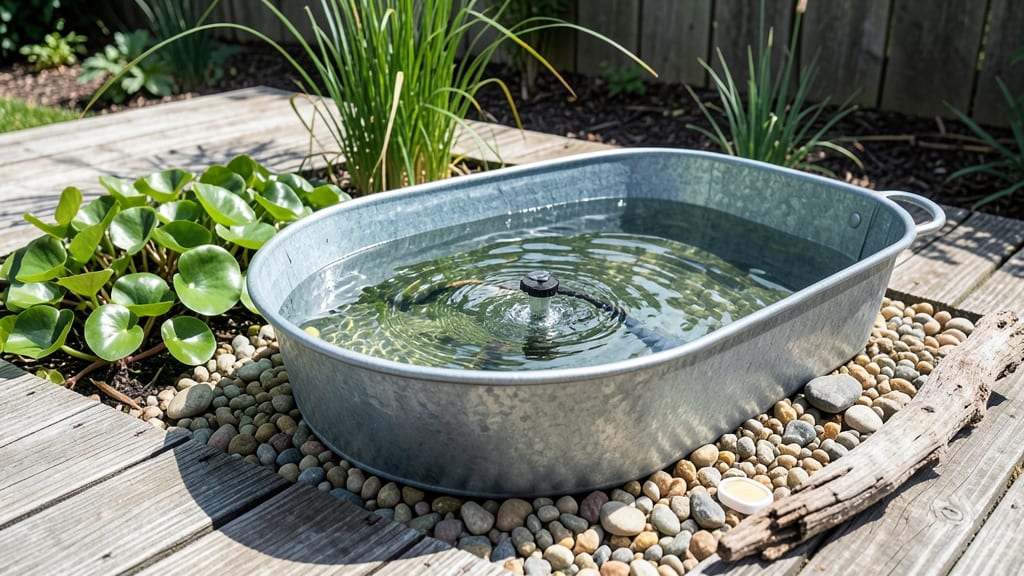
A serene water garden in a container transforms even the tiniest balcony into a tranquil retreat. 💧 Last summer, my 2'x4' deck became a peaceful escape after I turned a repurposed whiskey barrel into a mini pond—no yard needed.
The key? Choosing the right container, plants, and a simple circulation system that keeps water fresh without chemicals. It’s not just about aesthetics; the sound of trickling water instantly reduces stress, and the ecosystem supports pollinators too.
You’ll need a waterproof container (plastic, fiberglass, or preformed pond liner), a submersible pump (for circulation and aeration), and gravel or sand to create a natural base layer. Marginal plants like water lilies or sweet flag thrive at the edges, while floating plants like water hyacinths add movement and shade.
Safety is simple: secure containers to prevent tipping, and avoid sharp-edged rocks near water’s edge. The best part? A 5-gallon setup can fit on a windowsill, while larger containers (20+ gallons) handle fish or bigger plants.
By week 3, you’ll see roots establish, leaves unfurl, and tiny frogs or dragonflies claim their territory. The water stays clear with minimal maintenance—just top off evaporation and trim overgrowth. My barrel garden required 10 minutes of care weekly, and the results?
A cool, fragrant micro-habitat that outshines any store-bought fountain. Even urban balconies can host this magic with the right scale and plant choices.
Pro tip: Start small to test your space’s sunlight and wind patterns. Containers under 10 gallons are easiest for beginners, while deeper setups (12"+) support koi or larger aquatic plants.
The secret to longevity? A low-voltage LED light submerged in the water prevents algae buildup—no chemicals, just clean water. Now, let’s get that container filled!
📚 In This Guide
- What you need
- Instructions
- Tips and common mistakes
- Wrapping up and next steps
What you need
- ● Container: A waterproof, durable container (plastic, ceramic, or fiberglass) with a drainage hole or overflow spout. Size varies—small (5-10 gallons) for bog plants or large (20+ gallons) for fish and aquatic plants.
- ● Gravel or Pebbles: 2–3 inches of 1/4-inch to 1/2-inch washed gravel for drainage and root health.
- ● Aquatic Plants: Floating plants (e.g., water hyacinth, duckweed)—great for shade and oxygen.
- ● Submerged plants (e.g., hornwort, anacharis)—adds texture and filters water.
- ● Marginal plants (e.g., water lilies, pickerel weed)—thrives at the edges.
- ● Water Source: A garden hose with a spray nozzle or dechlorinated water (use a water conditioner if tap water is treated).
- ● Tools: Trowel or spoon for planting.
- ● Measuring cup for gravel and water.
- ○ Fish net (optional, if adding fish later).
- ● Fish: Small, cold-water fish like goldfish or koi (ensure the container is large enough—10 gallons per fish is a safe rule).
- ● Water Pump & Filter: Keeps water circulating and oxygenated (great for larger setups).
- ● Solar Light: Adds ambiance and attracts beneficial insects.
- ● Water Hygrometer: Monitors moisture and temperature for optimal plant health.
- ● Decorative Rocks or Statues: Enhances aesthetics and provides hiding spots for fish.
Step-by-step instructions for creating a container water garden
Turn your balcony or patio into a tranquil retreat with this easy, space-saving water feature.
🪴 Step 1: Select and Prepare Your Container
Choose a container with a minimum depth of 12 inches—deeper is better for aquatic plants and stability. I prefer heavy ceramic or fiberglass because they won’t tip easily in wind or when kids (or pets) get too close. If using a preformed pond liner, select one that’s at least 24 inches in diameter for proper plant placement and water movement.
Clean the container thoroughly with a 10% bleach solution (1 part bleach to 9 parts water) to kill any algae or bacteria. Rinse well and let it dry completely. For plastic containers, avoid direct sunlight during this process—UV rays can weaken the material. Here’s the thing: a smooth, clean surface prevents algae buildup later, so don’t skip this step.
💧 Step 2: Add a Proper Water Filtration and Circulation System
Install a small submersible pump (rated for 200-400 gallons per hour) to keep water circulating and oxygenated. Place it near the container’s edge so the tubing can reach the bottom. I like to use a 1/4-inch tubing with a gentle spray nozzle to create a soothing waterfall effect—just position it so water flows over a small ledge or rock.
Add a few smooth river rocks around the pump’s intake area to prevent debris from clogging it. The water should move at a pace that creates gentle ripples but doesn’t spray aggressively. You’ll notice the water stays clearer longer when it’s moving—this prevents stagnation and keeps your garden healthy. Run the pump for 4-6 hours daily to maintain circulation without overworking the system.
🌿 Step 3: Layer the Base with Gravel and Aquatic Plants
Add a 2-inch layer of small gravel or pebbles at the bottom of the container. This creates a natural filter bed and prevents roots from rotting. Choose smooth, rounded stones—sharp edges can damage delicate plant roots. For a 4-foot diameter container, you’ll need about 5-7 gallons of gravel to cover the base evenly.
Plant marginal plants (those that grow at the water’s edge) first, like pickersweed (Pontederia) or sweet flag (Acorus calamus). These thrive in shallow water and add texture. Place them in clusters of 3-5 plants per section, spacing them 6-8 inches apart. You’ll see them fill out quickly, creating a lush border that frames the water feature beautifully.
✂️ Step 4: Add Floating Plants and Finishing Touches
Floating plants like water hyacinth (Eichhornia crassipes) or water lettuce (Pistia stratiotes) provide shade and prevent algae growth. Add them last—they’ll spread naturally and create a stunning green canopy. I like to place them in small clusters near the edges first, so they don’t overwhelm the space too quickly.
Add a few submerged plants like hornwort (Ceratophyllum demersum) or anacharis (Elodea) to keep the water oxygenated and balanced. These plants don’t need planting—they’ll root themselves as they grow. Finally, place a few decorative rocks or a small water feature around the edges to soften the container’s appearance and create visual interest.
☀️ Step 5: Maintain Water Quality and Plant Health
Test water quality weekly using a simple pond test kit to monitor pH, ammonia, and nitrites. The ideal pH for most aquatic plants is 6.5-7.5. If you notice green water or algae blooms, add a few more floating plants or a small dose of barley straw—it naturally inhibits algae growth without chemicals.
Prune plants as needed to keep them from overcrowding. For example, trim back water hyacinths when they start to look leggy or when their roots fill more than 25% of the container’s surface. In cooler months, reduce pump runtime to 2-3 hours daily to conserve energy and prevent water from getting too cold for tropical plants. Here’s the thing: a little maintenance goes a long way in keeping your water garden thriving year-round.
Tips & tricks for perfect container water gardens
A few thoughtful touches can transform your container water garden from ordinary to extraordinary. Here's what I've learned after creating several of these serene spaces myself.
Container Stability: When selecting your container, consider its weight and base. I've found that adding a layer of concrete pavers at the bottom of lighter containers (like plastic) adds stability without taking up space. For ceramic or fiberglass, place the container on a non-slip mat to prevent shifting, especially if it's near a balcony edge or patio furniture. This is particularly important if you live in windy areas or have curious pets.
Pump Placement Strategy: The location of your submersible pump makes all the difference in water flow and plant health. Position it so the tubing runs along the container's edge, creating a natural waterfall effect when it cascades over the ledge. I like to angle the tubing slightly upward near the exit point—this prevents air bubbles from forming in the tubing, which can disrupt water flow. Also, keep the pump at least 4 inches from container walls to allow for easy maintenance and cleaning.
Plant Selection Insight: Not all aquatic plants thrive in containers. For smaller spaces, I recommend starting with hardy options like water hyacinth and pickersweed—they're forgiving and adapt well. If you notice plants wilting or yellowing, it might be a sign of root-bound conditions. In this case, trim back the roots by about 25% and replant. Remember that submerged plants like hornwort will grow rapidly, so you may need to thin them every few weeks to maintain balance in your ecosystem.
Seasonal Adjustments: The 4-6 hours daily pump runtime specified works well during warm months, but your water garden's needs change with seasons. In summer, increase circulation to 6-8 hours daily to prevent stagnation, while in winter, reduce to 2-3 hours daily to maintain temperature for tropical plants. You'll notice a significant difference in water clarity when you adjust circulation to match seasonal temperatures—warmer water can support more biological activity, which sometimes leads to faster algae growth.
Pro Tips for Make A Water Garden In A Container
- A few thoughtful touches can transform your container water garden from ordinary to extraordinary. Here's what I've l...
- Container Stability: When selecting your container, consider its weight and base. I've found that adding a layer of c...
- Pump Placement Strategy: The location of your submersible pump makes all the difference in water flow and plant healt...
Frequently asked questions
Got questions?
Here are answers to the most common ones about creating your own container water garden—no green thumb required!
When is the best time to plant a container water garden?
The ideal time is spring or early summer when temperatures are mild (50–75°F) and water bodies are less prone to algae blooms. If you’re in a warm climate, fall also works—just avoid extreme heat or frost. Start with hardy plants like water lilies or water hyacinths for faster success!
How often do I need to change the water?
Most container water gardens only need a partial water change every 2–4 weeks, depending on plant health and debris. Use a siphon or clean water to remove sludge from the bottom. Pro tip: Add a small pump or fountain for circulation to keep water fresh longer!
Will mosquitoes breed in my container garden?
Not if you prevent standing water! Use mosquito dunks (beneficial bacteria) or floating plants like water lettuce to shade the water, making it less inviting for mosquitoes. A gentle water feature (like a bubbler) also disrupts their breeding cycle. Bonus: Frogs and dragonflies often move in naturally!
Can I use tap water for my container water garden?
Yes, but let it sit for 24 hours first to allow chlorine to evaporate. If your water is hard (high in minerals), consider using rainwater or distilled water to prevent buildup. Avoid well water with high iron or sulfur, as it can stain and harm plants.
What are the best containers for a water garden?
Choose durable, non-porous materials like:
- Plastic (lightweight, affordable, e.g., kiddie pools or storage bins)
- Fiberglass (long-lasting, weather-resistant)
- Resin (heavy-duty, stylish, like pre-made ponds)
Wrapping up and next steps
Creating a water garden in a container is a rewarding way to bring tranquility and natural beauty to any space—no matter how small! With the right materials, a little planning, and a touch of creativity, you’ve got everything you need to craft your own serene oasis. 🌿
Now that you’re armed with tips and answers to common questions, it’s time to roll up your sleeves and get started. Whether you’re a beginner or a seasoned plant enthusiast, your container water garden will soon become a peaceful retreat. Happy gardening! 💧✨
Next step? Gather your supplies, pick your plants, and let nature do the rest—your balcony (or patio) will thank you!