
How To
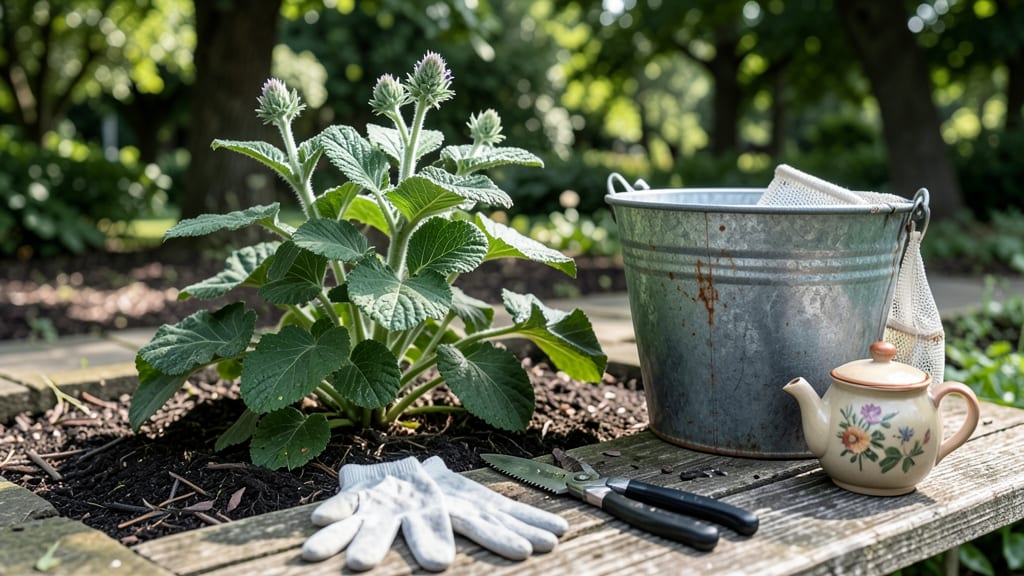
Comfrey tea transforms scraps into garden gold. 🌱 I’ve turned wilted leaves into a nutrient-rich brew that feeds my soil better than store-bought fertilizers—and it’s free. The process is simpler than you’d think, with just three key steps that unlock comfrey’s superpowers for your plants.
You’ll need fresh or dried comfrey leaves, a bucket or large container, and a breathable bag or mesh to strain the liquid. No fancy equipment—just what’s growing in your garden.
The magic happens when you steep the leaves in water for 2–4 weeks, stirring occasionally to release comfrey’s potassium, nitrogen, and trace minerals.
What you end up with is a dark, earthy tea that smells like rich forest soil. Dilute it 1:10 with water for liquid fertilizer, or use it undiluted as mulch tea to smother weeds and retain moisture.
My tomatoes and peppers grow like they’re on steroids after a mid-season boost of this brew.
Fair warning: comfrey is potent—overuse can burn plants, so start with small batches. Pair it with compost tea for even better results, and watch your garden thrive without synthetic chemicals. Here’s how to brew it right the first time.
📚 In This Guide
- What you need
- Instructions
- Tips and common mistakes
- Wrapping up and next steps
What you need
- ● Fresh or dried comfrey leaves – 1–2 tablespoons (about 5–10g). Use organic or wildcrafted leaves if possible to avoid pesticides.
- ● Filtered or spring water – 1 cup (8 oz or 240 mL). Avoid tap water if it’s heavily chlorinated.
- ● Small saucepan or heat-safe mug – For steeping (a French press or tea infuser works too!).
- ● Fine-mesh strainer or cheesecloth – To filter out leaf particles.
- ○ Honey, maple syrup, or lemon (optional but recommended) – For taste and soothing benefits.
- ● Mortar and pestle – Lightly crush dried leaves to release more flavor and compounds.
- ● Glass jar or airtight container – For storing comfrey tea (keep refrigerated for up to 3 days).
- ● Herb scissors or pruners – If harvesting fresh leaves from your garden.
- ● Digital scale – For precise measurements if you’re experimenting with dosages.
Step-by-step instructions for making comfrey tea
Here's how to brew this nutrient-rich herbal tonic—simple, effective, and packed with garden magic.
🌿 Step 1: Harvest Young Comfrey Leaves
Pick fresh leaves from healthy plants in the morning after dew has dried. Choose the youngest, most tender growth—these contain the highest concentration of nutrients. Avoid leaves with yellowing or damaged spots, as they can make your tea bitter. I like to harvest from the outer growth first, leaving the center to keep the plant productive.
Cut stems just above a leaf node to encourage bushier growth. You'll need about 1 cup of chopped leaves for every quart of water you plan to brew. If you're making a larger batch, aim for a 1:4 ratio of leaves to water—this ensures a strong but balanced infusion without turning bitter.
💧 Step 2: Chop and Steep the Leaves
Roughly chop the leaves into small pieces using clean scissors or a knife. Smaller pieces release nutrients faster during steeping. Place the chopped leaves in a clean glass jar or stainless steel pot—never aluminum, as it can react with the alkaline properties of comfrey.
Cover the leaves with filtered water (chlorine can interfere with nutrient absorption) and let it steep at room temperature for 12-24 hours. You'll know it's ready when the water takes on a rich, greenish hue and smells fresh and herbal. I usually let mine steep overnight for maximum potency.
⏰ Step 3: Strain and Store Properly
After steeping, strain the liquid through a fine-mesh sieve or cheesecloth into a clean container. Press the leaves gently to extract every last drop of liquid, but don't squeeze too hard—you don't want to introduce air, which can cause spoilage. The strained liquid is your comfrey tea, ready to use.
Store the tea in a sealed glass jar in the refrigerator for up to 1 week. For longer storage, freeze it in ice cube trays. The tea will darken slightly over time, but this doesn't affect its potency. Always label your jar with the date—freshness matters for maximum benefits.
🌱 Step 4: Use for Plant or Soil Boost
For garden use, dilute the comfrey tea with water at a 1:10 ratio (1 part tea to 10 parts water) before applying. This dilution prevents over-fertilizing, which can harm plants. I use it as a foliar spray for leafy greens or as a root drench for flowering plants—it's packed with potassium, calcium, and trace minerals.
Apply in the early morning or late afternoon to avoid leaf burn from evaporation. You'll notice healthier foliage and stronger stems within a few weeks of regular use. Just remember: comfrey is a powerhouse, so use it sparingly—once every 2-4 weeks is plenty for most plants.
Tips & tricks for perfect comfrey tea
A few key tricks will help you maximize this herbal tonic's benefits while avoiding common pitfalls that can ruin the infusion.
Harvesting Tip: Always harvest comfrey leaves in the morning after dew has dried—this is when their nutrient content peaks. I've found that the youngest leaves, especially those from the outer growth, contain the highest concentration of allantoin and other beneficial compounds. If you're harvesting in humid conditions, let the leaves air-dry slightly on a clean towel before chopping to prevent mold during steeping.
Steeping Secret: The 12-24 hour steeping time is crucial for extracting comfrey's medicinal properties, but don't exceed 24 hours or the infusion can turn bitter. For best results, use a glass jar with a tight-fitting lid to prevent oxidation. I like to place my jar in a dark cupboard during steeping—light exposure can degrade some of the beneficial compounds over time.
Storage Wisdom: When storing your comfrey tea in the refrigerator, always use a glass jar with an airtight seal to preserve freshness. The tea will naturally darken over time, but this doesn't affect its potency. For long-term storage, freeze the tea in ice cube trays—this makes it easy to use just one cube at a time for plant treatments without thawing the entire batch.
Application Tip: When using comfrey tea as a plant fertilizer, always dilute it to a 1:10 ratio before applying. I've seen beginners overdo it and end up with leaf burn—especially on sensitive plants like tomatoes and peppers. For foliar sprays, apply in early morning or late afternoon when temperatures are cooler to prevent evaporation and leaf scorch.
Pro Tips for Make Comfrey Tea
- A few key tricks will help you maximize this herbal tonic's benefits while avoiding common pitfalls that can ruin the infusion.
- Harvesting Tip: Always harvest comfrey leaves in the morning after dew has dried—this is when their nutrient content peaks.
- Steeping Secret: The 12-24 hour steeping time is crucial for extracting comfrey's medicinal properties, but don't exceed 24 hours or the infusion can turn bitter.
Frequently asked questions
Got questions about brewing comfrey tea? You’re not alone! Here are some of the most common inquiries—plus clear, easy answers to help you make the most of this powerful herb.
Can I drink comfrey tea every day?
While comfrey is potent, it’s best to enjoy it in moderation—no more than 1–2 cups daily and never for extended periods (weeks at a time). Long-term use can strain your liver due to pyrrolizidine alkaloids (PAs). If you’re pregnant, nursing, or have liver issues, skip it entirely and consult a healthcare provider first.
How long should I steep comfrey leaves for the best flavor and benefits?
For a balanced brew, steep dried comfrey leaves in hot water (just off boil) for 10–15 minutes. This extracts the healing compounds without bitterness. Fresh leaves? Reduce steeping to 5–8 minutes—they release flavor faster and can turn muddy if over-steeped. Pro tip: Strain thoroughly to avoid a gritty texture!
What does comfrey tea taste like, and how can I make it more palatable?
Comfrey has a mildly earthy, slightly bitter taste—think spinach meets chamomile with a hint of hay. To soften it, try these tricks:
- Add honey or maple syrup (1 tsp per cup).
- Mix with peppermint or lemon balm for brightness.
- Use young leaves (less bitter than mature ones).
- Sip it iced—cold water mutes the earthiness.
Can I use comfrey roots instead of leaves for tea?
Yes! Comfrey roots are even richer in allantoin and minerals, but they’re more potent and bitter. To brew, simmer 1 tsp dried root per cup of water for 15–20 minutes (or 5 minutes if fresh). Use roots sparingly—they’re best for short-term use (e.g., 3–5 days max) due to higher PA content. Warning: Never consume roots long-term.
What should I do if my comfrey tea tastes off or smells funny?
If your tea smells rancid, moldy, or overly sour, it’s spoiled—don’t drink it! Common culprits:
- Old leaves (store dried comfrey in airtight containers away from light/heat).
- Contaminated water (use filtered or spring water).
- Over-steeping (leads to a slimy, bitter mess).
When in doubt, toss it and start fresh. Freshly brewed tea should have a clean, herbal aroma—not musty or sharp.
Wrapping up and next steps
Making comfrey tea is a simple yet powerful way to harness nature’s healing benefits—whether for soothing skin, easing discomfort, or boosting overall wellness. With just a few fresh or dried leaves and a little patience, you’ve got a medicinal elixir ready to support your health.
Now that you’re equipped with the know-how, why not explore more ways to incorporate comfrey into your routine?
🌿 Next steps:
- Try blending comfrey tea with other herbs like chamomile or peppermint for a customized wellness boost.
- Experiment with comfrey salves or poultices for topical relief.
- Share your brew with friends and family—nature’s medicine is best enjoyed together!
Your journey to herbal wellness starts with a single cup. Cheers to your health! ☕✨