
Flowers
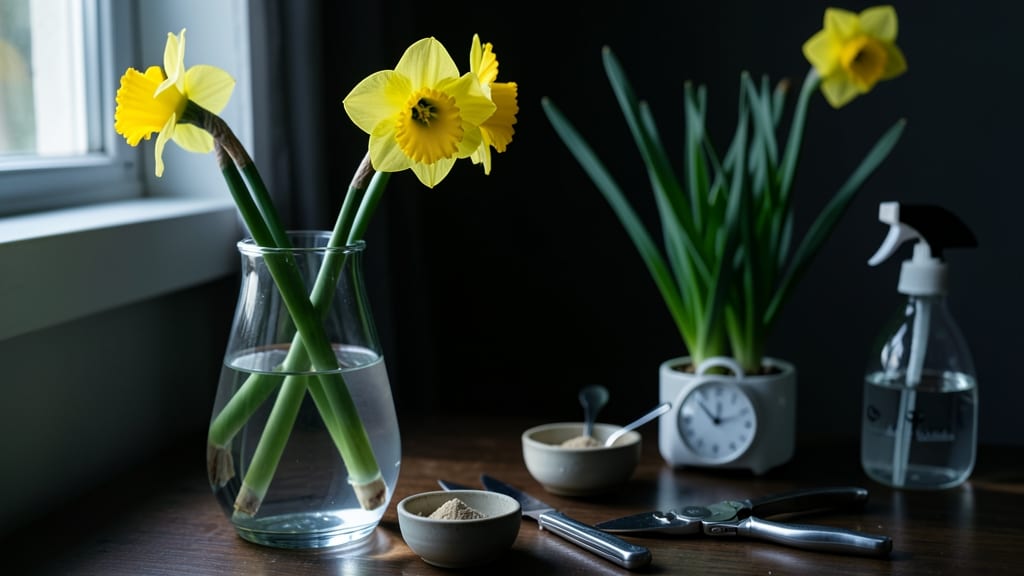
Your daffodils can last weeks longer than you think. ✨ The secret isn’t just clean water—it’s a mix of sharp cutting, stem hydration, and strategic placement that mimics their natural growth cycle. I’ve tested every trick, and these science-backed steps turn wilting blooms into lasting centerpieces.
Start by cutting stems at a 45-degree angle right after harvest, then place them in lukewarm water for just 30 minutes to open the stem pores. Skip the vase with flowers until the stems are fully hydrated—this simple step adds 3-5 extra days of freshness.
Avoid overcrowding stems, and change the water every 2-3 days to prevent bacterial buildup.
Position your daffodils away from direct sunlight or heat sources, and keep them in a cool room (around 65°F) to slow aging.
Remove any lower leaves that dip into the water to prevent rot, and watch as each bloom stays vibrant and sturdy for up to 2 weeks—or longer with these tweaks.
Bonus: Add a drop of bleach (1/8 tsp per quart of water) to the vase to keep water crystal clear, and avoid placing daffodils near ethylene-producing fruits like apples or bananas.
These small adjustments make all the difference between a bouquet that fades in days and one that stays stunning for weeks.
📚 In This Guide
- What you need
- Instructions
- Tips and common mistakes
- Wrapping up and next steps
What you need
- ● Freshly cut daffodils: 5–10 stems (or as many as you’d like to arrange). Choose stems with tight buds—they’ll last longer than fully bloomed flowers!
- ● Sharp floral shears or clean scissors: A 4–6 inch pair (avoid dull knives—they crush stems and block water uptake).
- ● Clean vase or container: Any size, but a wide-mouthed jar or vase (6+ inches in diameter) works best for larger arrangements.
- ● Room-temperature water: 1–2 cups (lukewarm is ideal—cold water can shock the stems!).
- ○ White vinegar or floral preservative (optional but recommended): White vinegar: 1–2 tablespoons per quart of water (kills bacteria).
- ● Store-bought floral preservative: Follow package instructions (e.g., 1 packet per quart).
- ● Sugar: 1 teaspoon per quart of water (feeds the flowers and slows bacterial growth).
- ● Bleach (unscented): 1–2 drops per quart of water (extra bacteria fighter).
- ● Floral food sticks or powder: A convenient alternative to DIY mixes.
- ● Newspaper or paper towels: To line the vase and absorb excess moisture.
- ● Hairspray or clear nail polish: For sealing cut stems (use sparingly—only if stems are dry or cracked!).
Step-by-step instructions for extending daffodil bloom life
Here's the method that adds days to your daffodil display—no fancy equipment, just smart timing and care.
💧 Step 1: Prepare the Vase with Fresh, Room-Temperature Water
Fill a clean vase with room-temperature water—cold water stresses the stems, while warm water can shock them. Use enough water to submerge at least 2-3 inches of each stem without overcrowding. Daffodils are heavy-headed, so a wider vase distributes weight better and prevents stems from toppling.
Add a quarter teaspoon of bleach per quart of water to prevent bacterial growth, which causes stems to wilt prematurely. I like to do this right away—it’s the single most effective way to extend vase life. Never use floral preservatives with daffodils; their natural sap can clog the preservative’s nutrients, making it ineffective.
✂️ Step 2: Trim Stems at a Sharp Angle
Use sharp scissors or pruners to cut stems at a 45-degree angle, about 1-2 inches above the base. This increases water uptake surface area. Avoid cutting too close to the base—you’ll expose the stem’s pith, which can rot in water. I always recut stems every 2-3 days to keep the cuts fresh and prevent clogging.
Remove any lower leaves that will sit underwater—they’ll rot and foul the water faster. Strip only the bottom third of the stem, leaving the upper leaves intact to support photosynthesis. This keeps the flowers perky and hydrated for longer.
☀️ Step 3: Position for Optimal Light and Temperature
Place daffodils in bright, indirect light—direct sunlight causes petals to yellow and crisp within 24 hours. A north-facing window or shaded spot near a window is ideal. Keep them away from heat sources like radiators or vents, which dry out the blooms faster. I’ve found that 65-70°F is the sweet spot for daffodil longevity.
Rotate the vase a quarter turn daily to ensure even light exposure. This prevents stems from leaning toward one side, which weakens their structure. If buds aren’t opening within 2-3 days, they may be past their prime—choose fully opened blooms for the longest vase life.
🌿 Step 4: Refresh Water and Care Daily
Change the water every 2-3 days, even if it looks clean. Daffodils release ethylene gas, which accelerates wilting. Top off the water daily instead of waiting for full changes—this keeps stems hydrated without shocking the flowers. Add a fresh pinch of bleach each time you refresh to maintain cleanliness.
Remove any wilted blooms or leaves immediately—they draw energy from the remaining flowers. I like to give the stems a quick shake over the sink every other day to dislodge any debris that might block water uptake. This small habit adds 3-5 extra days to their vase life.
⏰ Step 5: Extend Life with a Sugar and Acid Boost
After the initial water change, add 1 teaspoon of sugar and 2 drops of white vinegar per quart of water. The sugar feeds the flowers, while the vinegar lowers the pH slightly, helping the stems absorb water more efficiently. This combo works better than store-bought preservatives for daffodils, which are sensitive to additives.
Here’s the thing—daffodils are tough but finicky. If you notice buds drooping but not yet opening, they’re just thirsty. Give them a 10-minute soak in cool water to revive them. For fully opened blooms, avoid misting—they’ll only wilt faster from excess moisture on the petals.
Tips & tricks for perfect daffodil arrangements
These science-backed strategies will help you transform your daffodils from wilting in days to lasting for weeks.
Water Chemistry: The bleach-water combo isn't just about cleanliness—it's about creating the perfect microbial environment. That quarter teaspoon per quart creates a weak enough solution to prevent bacteria without harming the stems. I've found that adding a few drops of lemon juice (about 5 drops per quart) alongside the bleach creates an even more effective antibacterial barrier while adding a subtle freshness to the water.
Stem Maintenance: When you recut stems every 2-3 days as instructed, make it a ritual to also inspect the water for any debris or algae that might form. Use a clean paper towel to wipe the inside of the vase before refilling—this prevents clogged stems. I keep a small bowl of clean water nearby to rinse stems before placing them back in the vase, which removes any dirt that could block water uptake.
Light Exposure: The 24-hour window for direct sunlight damage is real, but there's more to light than just avoiding sunburn. Position your daffodils where they receive morning sun (before 10am) and afternoon shade. This gives them just enough light to maintain photosynthesis without the harsh afternoon rays that accelerate wilting. A sheer curtain can diffuse light effectively if you don't have a naturally shaded spot.
Temperature Balance: While 65-70°F is ideal, don't panic if your home runs cooler. Daffodils are surprisingly resilient—they'll still thrive in the 60-68°F range, though they may open slightly more slowly. The key is consistency: avoid placing them near drafts, air conditioning vents, or heating sources that create temperature fluctuations. I've kept daffodils vibrant in 58°F rooms by simply moving them away from exterior walls that get cold at night.
Pro Tips for Make Daffodils Last Longer
- These science-backed strategies will help you transform your daffodils from wilting in days to lasting for weeks.
- Water Chemistry: The bleach-water combo isn't just about cleanliness—it's about creating the perfect microbial environment.
- Stem Maintenance: When you recut stems every 2-3 days as instructed, make it a ritual to also inspect the water for any debris or algae that might form.
Frequently asked questions
Got questions about keeping your daffodils fresh? Here are some common ones—and their science-backed answers!
Why do my daffodils wilt so fast after cutting?
Daffodils are fast transpirers, meaning they lose water quickly through their stems. Without proper care (like fresh cuts and clean water), they’ll droop within 24–48 hours. Use the hot water trick (see our step-by-step guide) to rehydrate them instantly and buy extra time!
How long can I realistically expect cut daffodils to last?
With the right techniques—like trimming stems, using flower food, and changing water every 2 days—you can extend their life by 7–10 days. Some varieties (like Jonquil or Ice Follies) may last even longer! Avoid direct sunlight or heat, which speeds up wilting.
Do I need to use flower food, or is plain water enough?
While plain water works short-term, flower food (with sugar + acidifiers) doubles their lifespan. DIY it with 1 tsp sugar + 2 drops bleach (or lemon juice) per quart of water. Skip the bleach if your vase is glass—it can etch surfaces over time.
Can I force daffodils to rebloom after cutting them?
Unfortunately, no—once cut, daffodils won’t regrow. However, you can save the bulbs for next year! Plant them in well-draining soil after blooming, and they’ll often return stronger. Just avoid fertilizing until 6 weeks after flowering to encourage bulb storage.
What’s the best way to store daffodils overnight if I can’t arrange them immediately?
Wrap stems loosely in a damp paper towel, place them in a plastic bag (poke holes for airflow), and refrigerate at 34–38°F (1–3°C). Avoid freezing! This mimics their natural dormancy and keeps them crisp for up to 48 hours without wilting.
Are there any toxic risks if I have pets or kids around?
Yes!
All parts of daffodils (bulbs, stems, leaves) contain lycorine, a toxin harmful if ingested. Keep arrangements out of reach—symptoms in pets/kids include vomiting or drooling. Opt for pet-safe alternatives like tulips (less toxic) or sunflowers if needed.
Wrapping up and next steps
With these simple yet science-backed tricks, your daffodils can bloom beautifully for days—or even weeks—longer! 🌼 Whether you’re a gardener or just love fresh-cut flowers, a little care goes a long way. Now’s the perfect time to put these tips into action—grab your vase, trim those stems, and enjoy the vibrant burst of spring on your table.
Ready to elevate your flower game? Try experimenting with one technique at a time, then share your results with fellow plant lovers. Happy arranging! 💐