
Pests
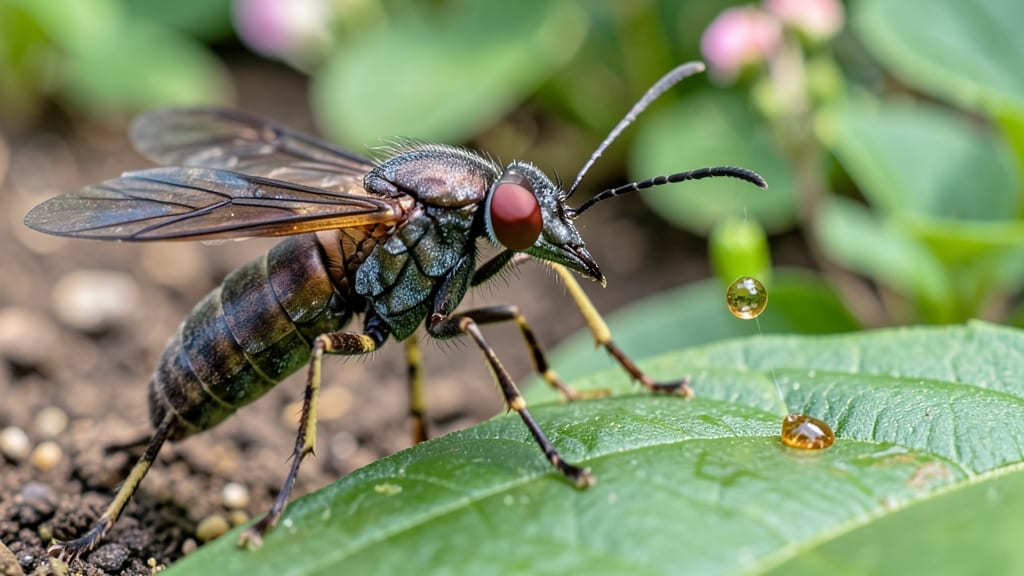
Garlic's pungent power keeps mosquitoes away—no chemicals needed. 🌿 I’ve battled those buzzing pests in my garden for years, and this 5-minute spray is the game-changer I wish I’d known sooner. The secret? A simple blend of garlic, water, and a touch of soap that mosquitoes can’t stand.
You’ll need just 4 ingredients: fresh garlic, water, a few drops of dish soap (to help it stick), and a spray bottle. No fancy equipment—just chop, steep, strain, and spray.
It’s safe for plants, kids, and pets once fully diluted, and the scent lingers just long enough to keep those pests at bay. By evening, your patio or garden will smell like a fresh kitchen instead of a mosquito buffet.
The spray works best when applied at dusk, when mosquitoes are most active, and it’s strong enough to deter them for hours without harming your flowers or veggies. For extra protection, mix in crushed basil or mint—both are natural repellents.
Store leftovers in the fridge for up to a week, and reapply after rain. This isn’t just a spray; it’s your garden’s new defense system. Ready to make it?
📚 In This Guide
- What you need
- Instructions
- Tips and common mistakes
- Wrapping up and next steps
What you need
- ● 1 head of garlic (fresh, unpeeled, and preferably organic for stronger potency)
- ● 1 cup of water (distilled or boiled and cooled for best results)
- ● 1 teaspoon of vegetable oil or coconut oil (helps bind the spray and repel pests)
- ● 1 teaspoon of dish soap (mild, unscented) (acts as a surfactant to help the spray stick to surfaces)
- ● 1 small spray bottle (8–16 oz, with a fine mist nozzle for even application)
- ● 1 fine-mesh strainer or cheesecloth (to filter out garlic chunks after blending)
- ● 1 blender or food processor (for crushing garlic into a paste)
- ● 5–10 drops of essential oils (citronella, eucalyptus, or peppermint for extra repellent power)
- ● 1 tablespoon of apple cider vinegar (enhances the spray’s longevity)
- ● 1 teaspoon of rubbing alcohol (70% isopropyl) (acts as a natural preservative)
- ● A small funnel (makes pouring the mixture into the spray bottle easier)
Step-by-step instructions for crafting mosquito garlic spray
Here's my go-to method for making a potent, natural repellent that keeps mosquitoes away without harsh chemicals.
🌱 Step 1: Gather and Prepare Garlic and Water
Start with 1 head of garlic—the more cloves, the stronger the spray. Peel away the papery skin from each clove, leaving the individual cloves whole. I like to use a small knife to gently press each clove to release some of its oils, but don't crush them completely. This helps the active compounds infuse better into the water.
Add the peeled cloves to a 1-quart jar and cover them with 2 cups of distilled water. Distilled water is best because it won’t introduce minerals that can interfere with the garlic’s natural compounds. Leave a little air space at the top—about ½ inch—to prevent mold growth. Seal the jar tightly and let it sit at room temperature for 24 hours.
💧 Step 2: Strain and Mix With Essential Oils
After 24 hours, strain the garlic-infused water through a fine-mesh sieve or cheesecloth into a clean bowl. Discard the garlic cloves—you won’t need them again. Now, add 1 tablespoon of neem oil and 10 drops of citronella essential oil to the strained liquid. These oils amplify the repellent effect and add a pleasant scent. Stir gently to combine, but avoid creating too many bubbles.
If you notice any cloudiness or sediment at the bottom, that’s normal—it’s just the garlic’s natural oils settling. Give the mixture a quick shake before each use to redistribute the oils evenly. The spray is now ready to use, but I like to transfer it to a spray bottle for easy application.
☀️ Step 3: Apply and Reapply Strategically
Shake the bottle well before each use, then spray the mixture on outdoor surfaces where mosquitoes gather—think patio furniture, deck railings, and the edges of your yard. Focus on areas with standing water or shaded spots, as these are mosquito hotspots. For extra protection, lightly mist plants around your outdoor living spaces, but avoid spraying directly on leaves if you want to keep your garden safe.
Reapply every 2-3 hours during peak mosquito activity, especially in the early morning and late afternoon when they’re most active. You’ll know it’s working when you notice fewer mosquitoes buzzing around—though you might also notice a slight garlic scent lingering in the air. This is normal and harmless to humans but highly effective against pests.
⏰ Step 4: Store and Refresh as Needed
Store any leftover spray in a cool, dark place for up to 1 week. If you notice the mixture separating or developing a strong vinegar-like odor, it’s time to make a fresh batch. I like to keep a small batch on hand and refresh it weekly to maintain its potency. For longer storage, you can freeze the spray in ice cube trays and thaw as needed, though the effectiveness may diminish slightly over time.
Here’s the thing—this spray works best as a preventive measure. Use it before you plan to spend time outdoors, and reapply after rain or heavy winds, which can dilute the mixture. If you’re hosting an outdoor event, double the batch and assign someone to refresh the spray throughout the evening. It’s a small effort for big results!
Tips & tricks for perfect mosquito repellent spray
Here's what nobody tells you about making this spray work even better—and avoiding common pitfalls along the way.
Garlic Strength Matters: The more cloves you use, the stronger your repellent. A standard head of garlic usually yields about 10-12 cloves—don't skimp! If you're dealing with a particularly mosquito-heavy area, consider doubling the garlic to 2 heads. Just remember, the 24-hour infusion time is critical for maximum potency—rushing this step means weaker results.
Oil Blending Technique: When adding the neem and citronella oils in Step 2, stir just until combined—don't overmix. The garlic oils are delicate, and vigorous stirring can break down their effectiveness. I like to use a small whisk or spoon to gently fold the oils into the liquid, creating a smooth but slightly textured mixture. This preserves the active compounds that repel mosquitoes.
Application Strategy: The 2-3 hour reapplication window is your best defense against mosquitoes. For maximum coverage, focus on vertical surfaces—mosquitoes often land on tall objects first. I've found that spraying deck railings, light fixtures, and the undersides of patio furniture creates an invisible barrier that keeps them away from seating areas. A light mist on clothing before heading outside also works surprisingly well.
Storage Wisdom: That 1-week shelf life is non-negotiable for safety. If you notice any signs of fermentation (like a strong vinegar smell), toss it immediately—even if it still looks fine. For longer storage, freeze the spray in ice cube trays. Once frozen, transfer the cubes to a freezer bag. When you need to use it, let one cube thaw at room temperature for about 15 minutes before spraying. The cold helps preserve the active ingredients longer than room temperature storage.
Pro Tips for Make Mosquito Garlic Spray
- Here's what nobody tells you about making this spray work even better—and avoiding common pitfalls along the way.
- Garlic Strength Matters: The more cloves you use, the stronger your repellent.
- Oil Blending Technique: When adding the neem and citronella oils in Step 2, stir just until combined—don't overmix.
Frequently asked questions
How long does homemade mosquito garlic spray last?
The shelf life of garlic spray is about 1-2 weeks when stored in a cool, dark place (like your fridge). For longer freshness, add a splash of vodka or apple cider vinegar (1 tbsp per cup of water) as a natural preservative. Always shake before use—sediment will settle!
Can I use garlic spray immediately after blending?
Nope! Let your garlic spray steep for at least 12–24 hours before straining and spraying. This gives the alliin (the mosquito-repelling compound) time to activate fully. Patience pays off—skipping this step weakens its effectiveness.
Will garlic spray harm plants or pets?
Garlic spray is generally pet-safe in small amounts (avoid eyes/nose), but test on a small patch of plants first—high concentrations might burn sensitive foliage. For pets, opt for diluted spray (1 part garlic to 3 parts water) and avoid spraying directly on fur or food bowls.
Does it work in extreme heat or humidity?
Garlic spray works best in moderate climates (50–85°F). In high heat, the alcohol evaporates faster—reapply every 2–3 hours. For humidity, add 1 tsp of neem oil (optional) to boost repellent power. Store in a spray bottle with a tight seal to prevent spoilage.
What if mosquitoes keep coming back?
If garlic spray isn’t working, try these tweaks:
- Increase garlic-to-water ratio (e.g., 4 cloves per cup).
- Add citrus peels or rosemary (mosquitoes hate the scent!).
- Spray at dusk/dawn (peak mosquito activity times).
- Combine with fans—mosquitoes avoid moving air.
Wrapping up and next steps
You now have a simple, natural, and effective way to keep mosquitoes at bay without harsh chemicals! 🌿 With just a few ingredients—garlic, water, and a spray bottle—you’ve created a powerful, eco-friendly repellent that’s safe for your family and pets.
Whether you’re prepping for summer evenings or dealing with unexpected bites, this DIY spray is your go-to solution.
Ready to step up your pest control game? Try making a batch today and share the recipe with friends or neighbors—because no one should suffer through mosquito season alone! 🚫🦟 Next up: Experiment with adding essential oils like citronella or eucalyptus for an extra boost!