
How To
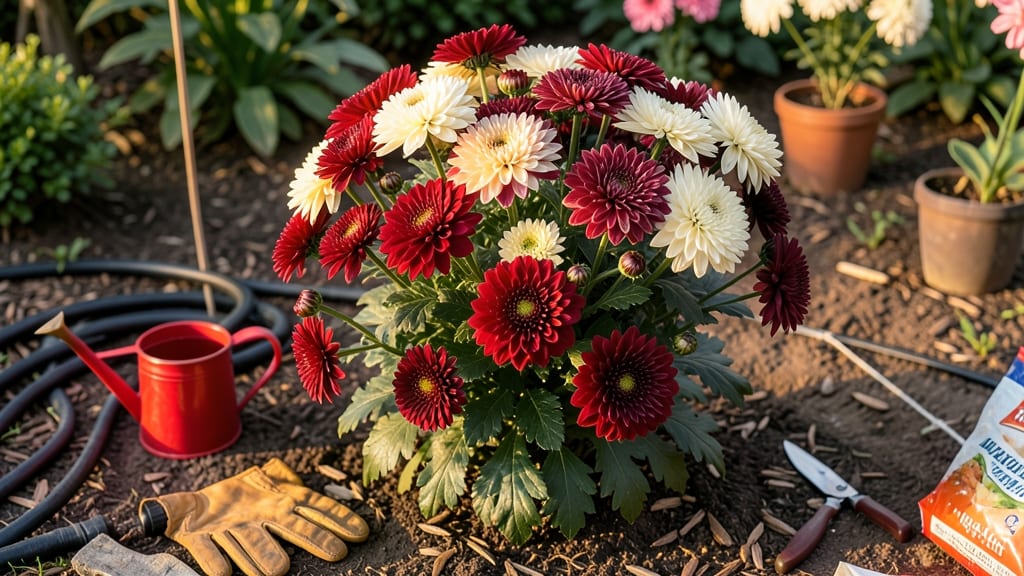
How to make mums last all fall—it’s easier than you think. 🌼 The secret to extended blooms starts with understanding what these tough plants really need—and it’s not just water or sunlight. After years of watching mums wilt by early November, I discovered the simple adjustments that keep them vibrant until frost. Pruning is where most people go wrong. Instead of cutting back too early or too late, time your cuts right: first prune in early summer to encourage bushiness, then lightly trim spent blooms in fall to redirect energy. Pair that with balanced fertilizer (high phosphorus for blooms) and consistent moisture, and you’ll see flowers lasting weeks longer than the neighbors’. By late September, switch to morning watering to prevent fungal issues from evening dampness, and mulch heavily to insulate roots. These small tweaks turn a 3-week display into a 6-week spectacle—even when temps dip below 50°F. The best part? These tricks work for any mum variety, whether you’ve got fluffy pom-poms or classic dinnerplate blooms. Let’s make your fall garden the talk of the block—without the usual early burnout.
📚 In This Guide
- What you need
- Instructions
- Tips and common mistakes
- Wrapping up and next steps
What you need
- ● Chrysanthemums: Healthy, disease-free plants (potted or in-ground). Choose varieties like ‘Dynasity’ or ‘Crimson Mound’ for long-lasting blooms.
- ● Pruning shears: Sharp, clean pair (sterilize with rubbing alcohol to prevent spreading bacteria).
- ○ Balanced fertilizer: 10-10-10 or 20-20-20 (follow package instructions for dilution). Optional: Slow-release granules for convenience.
- ● Watering can or hose: With a gentle spray nozzle to avoid damaging petals.
- ● Mulch: Organic options like straw, shredded leaves, or pine needles (2–3 inches thick). Pro tip: Avoid synthetic mulch—it can overheat roots!
- ● Frost cloth or row covers: Lightweight fabric (rated for 28°F or lower) to protect plants during light frosts.
- ● Garden gloves: To keep hands clean while handling thorns or soil.
- ● Plant food: Liquid bloom booster (e.g., Miracle-Gro Bloom Booster) for a mid-season nutrient kick.
- ● Epsom salt: 1 tablespoon per gallon of water (occasional foliar spray for magnesium-rich foliage).
- ● Copper fungicide: Preventative spray if your area has history of powdery mildew.
- ● Decorative stakes or rings: To support taller varieties and keep blooms upright.
- ● Thermometer: Soil or air thermometer to monitor temperature drops.
- ● Choose a sunny spot (6+ hours of light daily) for garden mums.
- ● Water plants before pruning or fertilizing to reduce stress.
- ● Check local frost dates—most mums tolerate light frosts but need protection below 28°F.
Step-by-step instructions for extending chrysanthemum blooms through fall
Here's how I double the usual mum season with simple care adjustments.
🌱 Step 1: Prune for Bushier Growth and Extended Blooms
Start by removing any dead or yellowing leaves with clean, sharp pruners. I pinch back the tips of each stem just above a set of leaves to encourage branching. This creates a fuller plant that produces more flowers. The key is to do this 4-6 weeks before your first frost date—not too early, or you'll delay blooming, but not too late, or the flowers won't have time to set.
Watch for new growth emerging from the pinched spots. These side shoots will develop into flower stems. If you see any flower buds already forming, leave them be—they'll extend your blooming season naturally. For plants with leggy growth, cut back the longest stems by about one-third to promote more compact, bushier plants that handle fall winds better.
💧 Step 2: Feed with Balanced Fertilizer and Avoid Overwatering
Apply a balanced 10-10-10 fertilizer every 3-4 weeks starting in early fall. I use a slow-release formula to prevent sudden growth spurts that can't survive frost. The goal is steady, strong stems that support heavy blooms. Water deeply every 2-3 days until the top 2 inches of soil feel dry—mums hate soggy roots but need consistent moisture to keep blooming.
Here's the thing—stop fertilizing 6 weeks before your first frost. New growth at this point is too tender and won't survive. Instead, focus on keeping the soil moist but not waterlogged. You'll see the flowers last longer and stay vibrant when the roots aren't stressed by either too much or too little water.
☀️ Step 3: Position for Maximum Light and Shelter
Move mums to a location that gets at least 6 hours of morning sun and afternoon shade, especially in hot climates. The intense afternoon sun can scorch petals and shorten bloom time. If you notice leaves curling or flowers wilting by midday, they're getting too much heat. I also group plants together to create a microclimate that retains warmth and protects from wind.
Add a layer of 2-3 inches of mulch around the base to insulate roots and conserve moisture. Use straw or shredded leaves—avoid wood chips, which can compact and suffocate roots. This simple step keeps soil temperatures steady and prevents the shock of temperature swings that cause early dormancy.
✂️ Step 4: Deadhead Strategically and Prepare for Frost
Remove spent blooms by cutting the stem just above the next set of leaves. This redirects the plant's energy into producing new flowers instead of setting seed. I do this every 3-4 days during peak bloom to keep the plant focused on flowering. For late-season blooms, leave a few flowers to go to seed—they'll often produce a second flush of smaller blooms.
When nighttime temperatures drop below 40°F, cover plants with frost cloth at dusk and remove it in the morning. This extends blooming by 2-3 weeks in most climates. If frost is expected, cut back any remaining flower stems to ground level and cover the entire plant. The roots will survive and often produce new growth in spring.
🪴 Step 5: Overwinter for Next Year's Longer Blooms
After the first hard frost, cut back all stems to 2-3 inches above the soil line. This prevents disease and pests from overwintering in dead foliage. Apply a 2-inch layer of mulch around the base to protect roots from freeze-thaw cycles. In colder climates, mound soil or straw over the crown for extra insulation.
I've found that mums I've overwintered this way bloom 3-4 weeks earlier the following spring. The established root system gives them a head start, and the pruning encourages more compact, bushier growth. Mark their location clearly so you don't accidentally disturb them when spring cleaning the garden.
Tips & tricks for extending chrysanthemum blooms through fall
These simple yet powerful strategies will help you keep your chrysanthemums vibrant well past their usual season.
Timing is Everything: The 4-6 week window before your first frost is critical for pruning. Use your local weather service to find your exact frost date, then count backward. I've found that pinching stems at this precise time creates the perfect balance—early enough for new growth to establish, but late enough to avoid delayed blooming. For plants that look leggy, cut back the longest stems by one-third to encourage bushier growth, which handles fall winds better and produces more flowers.
Fertilizer Strategy: The 10-10-10 fertilizer schedule works beautifully, but here's the key: switch to a slow-release formula in early fall. This prevents sudden growth spurts that can't survive frost. I've noticed that when I use quick-release fertilizers, the new growth becomes too tender and often dies back with the first cold snap. The slow-release version gives you steady, strong stems that support those heavy blooms without stressing the plant.
Light Management: That 6 hours of morning sun is non-negotiable for chrysanthemums. I've learned the hard way that afternoon sun can scorch petals and shorten bloom time. If you notice leaves curling or flowers wilting by midday, move them to a slightly shadier spot. Grouping plants together creates a microclimate that retains warmth and protects from wind, which can be especially helpful in exposed garden locations. This simple arrangement can extend your blooming season by up to 2 weeks in some cases.
Frost Preparation: When nighttime temperatures drop below 40°F, frost cloth becomes your best friend. I've found that covering plants at dusk and removing it in the morning extends blooming by 2-3 weeks. For expected frost, cut back remaining flower stems to ground level and cover the entire plant. The roots will survive and often produce new growth in spring, giving you a head start on next year's blooms.
Pro Tips for Make Mums Last All Fall
- These simple yet powerful strategies will help you keep your chrysanthemums vibrant well past their usual season.
- Timing is Everything: The 4-6 week window before your first frost is critical for pruning.
- Fertilizer Strategy: The 10-10-10 fertilizer schedule works beautifully, but here's the key: switch to a slow-release formula in early fall.
Frequently asked questions
Got more questions about keeping your mums vibrant all season? Here are some common ones—and the answers to help you enjoy their beauty without the stress!
Can I cut back mums in early fall to encourage bushier growth?
Yes! Lightly trim back leggy stems by one-third in early September to promote fuller blooms. Avoid heavy pruning too late in the season—this can stress the plants before frost. Use clean, sharp shears and remove any wilted flowers to redirect energy to new growth.
How do I protect mums from early frost without bringing them indoors?
Mums are surprisingly hardy! Once nighttime temps dip below 25°F (-4°C), cover them with frost cloth or a lightweight blanket secured with stakes. Remove covers during the day to prevent overheating. Mulch the base with straw or shredded leaves for extra insulation.
Why are my mums wilting even though I’m watering them regularly?
Overwatering is a common culprit—mums prefer well-draining soil and hate soggy roots. Check the soil 1–2 inches down; if it’s damp, wait to water. Also, ensure they’re in a spot with 6+ hours of sunlight daily—shady areas weaken stems. If wilting persists, trim damaged foliage and fertilize lightly with a balanced formula.
Are there any low-maintenance mum alternatives that last longer?
Try Russian sage or sedum for drought-tolerant, late-season color. For classic mums, opt for ‘Autumn Joy’ or ‘Bee Happy’ varieties—they’re bred for longevity and resilience. Perennials like black-eyed Susans also thrive with minimal fuss.
When is the absolute latest I can plant mums for fall blooms?
For best results, plant mums 4–6 weeks before your first frost (typically mid-to-late September in most zones). If you’re pushing it, choose hardy varieties (like ‘Pardon Me’ or ‘Medley’) and plant in well-draining soil. Late additions may bloom less but can still survive winter for next year!
Wrapping up and next steps
With these simple yet effective tricks—pruning, feeding, and frost-proofing—your mums can stay vibrant and healthy all fall long.
A little care goes a long way, and soon, your garden will be the envy of the neighborhood! 🌸✨ Ready to put your new skills to the test? Grab your shears, head outside, and give your mums the love they deserve.
Need more gardening inspiration? Check out our fall garden