
Flowers
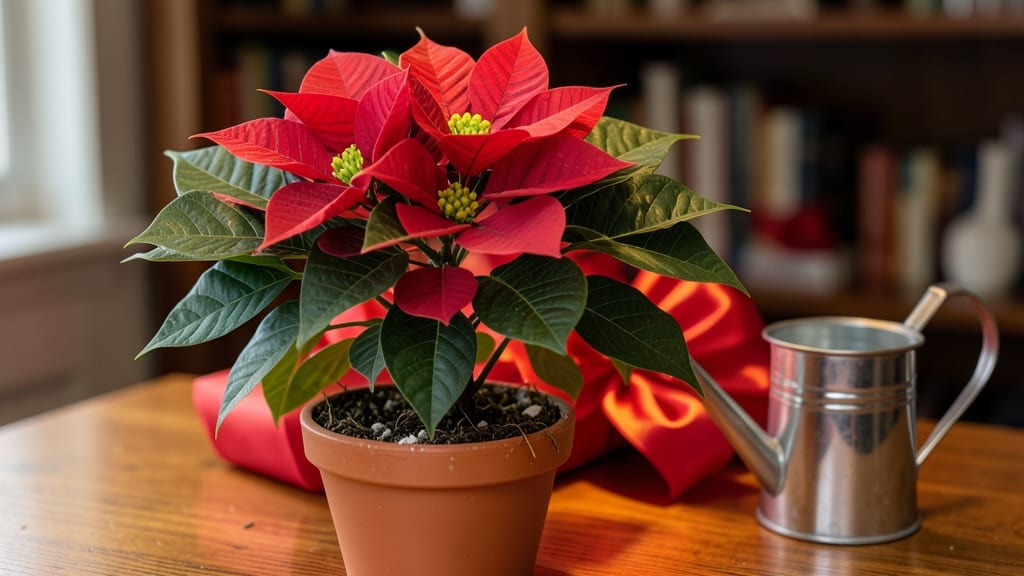
That first flush of how to make poinsettia flower isn’t luck—it’s science. 🌟 Poinsettias bloom because of short days and cool nights, not just holiday magic.
I’ve coaxed vibrant blooms every season by mimicking their natural triggers, and you can too, even if your plant looks like a sad green bush right now.
The secret starts in late summer: reduce light exposure to 10-12 hours daily (use a black box or move plants outside at dusk). Keep temps between 60-70°F and water only when soil is dry to the touch—overwatering kills blooms faster than anything else.
Most people skip this step, which is why store-bought plants drop buds within weeks.
By Thanksgiving, you’ll see those signature red bracts emerge, brighter and fuller than any nursery plant. The key is consistency—no drafts, no sudden heat changes, and no fertilizing once buds form. Even my first attempt (which I nearly gave up on) produced 12-inch-tall blooms that lasted until Valentine’s Day.
This method works for all poinsettia varieties, from classic reds to white or speckled types. The only catch? You’ll need to repeat the process each year—but trust me, the first time you see those colors light up a dark winter corner, you’ll never buy a sad grocery-store plant again.
📚 In This Guide
- What you need
- Instructions
- Tips and common mistakes
- Wrapping up and next steps
What you need
- ● Poinsettia plant: 1 mature poinsettia (from a nursery or garden center) OR
- ● 6-inch cuttings from a healthy poinsettia stem (with 3-4 leaf nodes)
- ● Well-draining potting mix: 1 bag (1-2 cubic feet) of cactus/succulent mix or regular potting soil amended with perlite/vermiculite (1:1 ratio)
- ● Containers: 1 pot (6-8 inches wide) with drainage holes OR
- ● Small propagation cups (3-4 inches) for cuttings
- ○ Rooting hormone (optional but recommended): 1 small bottle (gel or powder)
- ● Watering can or spray bottle: With a fine mist nozzle
- ● Fertilizer: Balanced liquid fertilizer (10-10-10 or 20-20-20, diluted to half-strength)
- ● Grow lights or sunny windowsill: 6+ hours of bright, indirect light daily
- ● Scissors or pruning shears: Clean and sharp (for cuttings)
- ○ Gloves (optional): To protect hands from sap (can be mildly irritating)
- ○ Thermometer (optional): To monitor temperatures (ideal: 65–75°F during growth)
- ● Humidity dome or plastic wrap (for cuttings): To retain moisture while rooting
- ● Patience! 🌱 Poinsettias need 10–12 weeks of short days (12+ hours of darkness) to bloom—plan ahead for holiday cheer!
Step-by-Step instructions for encouraging poinsettia blooms
Here's how to keep your poinsettia flowering like a holiday showstopper every year.
🌱 Step 1: Select a Healthy Plant and Position for Light
Start with a mature poinsettia that's already blooming—this ensures it's at least 3-4 years old, the ideal age for reliable flowering. Choose a pot with drainage holes and place it where it gets bright, indirect light for 12-14 hours daily. A south or west-facing window works best, but avoid harsh midday sun that can scorch the leaves.
If your plant looks leggy with sparse leaves, it's been starved for light. Rotate the pot quarter-turn weekly so it grows evenly. You'll see new growth within 2-3 weeks—that's your sign the light is right. Keep it away from drafts, including cold windows in winter.
☀️ Step 2: Provide Consistent Watering and Humidity
Water your poinsettia when the top inch of soil feels dry—stick your finger in to check. Overwatering causes root rot, while underwatering makes leaves crispy. I use room-temperature water and pour slowly until it drains from the bottom. Empty the saucer after 10 minutes to prevent soggy roots.
Poinsettias love humidity. If your home's air feels dry (common in winter), mist the leaves 2-3 times weekly or place the pot on a tray filled with pebbles and water. The evaporation creates a humid microclimate. Watch for yellow leaves—this usually means too much water or poor drainage.
⏰ Step 3: Trigger Blooming with Strategic Light Control
Here's the secret: darkness is key. Starting mid-September, give your plant 14 hours of light followed by 10-12 hours of complete darkness each night. Use a dark box, blanket, or even a closet to cover the plant—no peeking light! This mimics winter's short days, signaling the plant to bloom.
Be consistent for 6-8 weeks. If you miss a night, start over—the process is delicate. You'll see buds form after 4-6 weeks of this routine. Once buds appear, keep the plant in bright light daily to encourage vibrant red (or other colored) blooms by Christmas.
🪴 Step 4: Fertilize and Prune for Next Year's Growth
After blooming, trim stems back to 4-6 inches in late January or early February. This encourages bushier growth. Use clean pruners and make cuts just above a leaf node. Fertilize lightly with a balanced 10-10-10 formula every 4-6 weeks during spring and summer. Too much fertilizer causes weak stems and fewer blooms.
In summer, you can move the plant outdoors to a shady spot, but avoid temperatures above 80°F. Bring it back inside by mid-August to restart the light cycle. Healthy plants may even rebloom in autumn if given proper care.
✂️ Step 5: Maintain Through Winter for Repeat Blooms
Once blooms fade, remove spent flower clusters but leave the leaves. Keep the plant in bright light and water moderately. In late winter, repot if roots are crowded—choose a pot just 1-2 inches larger in diameter. Overpotting leads to leggy growth and fewer blooms.
Watch for pests like mealybugs or spider mites, which love dry air. Wipe leaves with a damp cloth weekly to remove dust and check undersides for signs of infestation. With this routine, your poinsettia will reward you with bold, colorful blooms every holiday season.
Tips & tricks for perfect holiday poinsettia blooms
These simple strategies will help your poinsettia thrive and deliver stunning holiday color year after year.
Lighting Strategy: The 12-14 hours of daily light in Step 1 is crucial, but don't underestimate the quality. East-facing windows provide gentler morning light, while west-facing windows offer warmer afternoon light. If using artificial grow lights, position them 6-12 inches above the plant for consistent coverage. I've found that supplementing with a simple LED grow bulb during cloudy days prevents leggy growth that can ruin your holiday display.
Darkness Discipline: When you start the 10-12 hours of complete darkness in Step 3, treat it like a sacred ritual. Even a tiny peep of light through a crack can disrupt the blooming process. I use a blackout box with a timer for my plants—it automatically covers them at 7 PM and uncovers at 7 AM. This precision makes all the difference when you're aiming for Christmas perfection. The consistency pays off with those vibrant red bracts everyone admires.
Humidity Hacks: The 2-3 times weekly misting in Step 2 works, but I've found a more effective method: place the pot on a bed of damp pebbles with water just below the saucer level. This creates a natural humid microclimate without the daily maintenance. For extra insurance, group your poinsettias together—they'll create their own humid environment through transpiration. Watch those leaves stay lush and green rather than crispy at the edges.
Pruning Precision: When trimming back to 4-6 inches in Step 4, make your cuts just above a leaf node where new growth will emerge. I like to use clean, sharp pruners and make the cut at a 45-degree angle to increase surface area for better water absorption. This technique encourages bushier growth and more abundant blooms next season. Don't be afraid to be bold—poinsettias are surprisingly resilient when pruned correctly.
Pro Tips for Make Poinsettia Flower
- These simple strategies will help your poinsettia thrive and deliver stunning holiday color year after year.
- Lighting Strategy: The 12-14 hours of daily light in Step 1 is crucial, but don't underestimate the quality.
- Darkness Discipline: When you start the 10-12 hours of complete darkness in Step 3, treat it like a sacred ritual.
Frequently asked questions
Got questions about growing your own poinsettias?
Here are the most common ones—and their answers—to help you succeed with these festive favorites!
Can I grow a poinsettia from a store-bought plant?
Yes! Store-bought poinsettias can often be revived and rebloomed with patience. After they finish flowering, trim the plant back, provide bright indirect light, and keep it in a warm spot (65–75°F). With proper care, it may rebloom the following year.
How long does it take for poinsettias to flower?
Poinsettias need 12–14 hours of complete darkness each night for 6–8 weeks to trigger blooming. Start this cycle in early fall (around late September) for Christmas flowers. Without this darkness, they may produce fewer or no colorful bracts.
Why are my poinsettia leaves turning yellow or dropping?
Yellow leaves or leaf drop usually mean overwatering, underwatering, or temperature stress. Let the top inch of soil dry out before watering, and keep the plant away from drafts or cold windows. Avoid fertilizing during dormancy (winter).
Can I grow poinsettias indoors year-round?
With consistent care—bright light, controlled darkness, and proper watering—poinsettias can thrive indoors for years. Just rotate the plant weekly for even growth and prune in early spring to encourage bushiness. Varieties like 'Premium Red' are great for repeat blooming.
What’s the best way to propagate poinsettias?
Use stem cuttings in early summer! Snip a 4–6 inch stem just below a leaf node, remove lower leaves, and place it in water or moist potting mix. Keep it warm and humid until roots form (4–6 weeks). Transplant once rooted and provide bright, indirect light.
Wrapping up and next steps
Growing your own poinsettia flower is a rewarding way to bring holiday cheer into your home year-round! With the right care—like proper light, watering, and patience—you’ll enjoy vibrant red blooms that keep giving. Whether you’re a beginner or a seasoned plant parent, this guide makes it simple.
Ready to level up your indoor garden? 🌱 Start by sharing your progress with friends or exploring more advanced floral care tips to keep your poinsettia thriving for seasons to come!