
How To
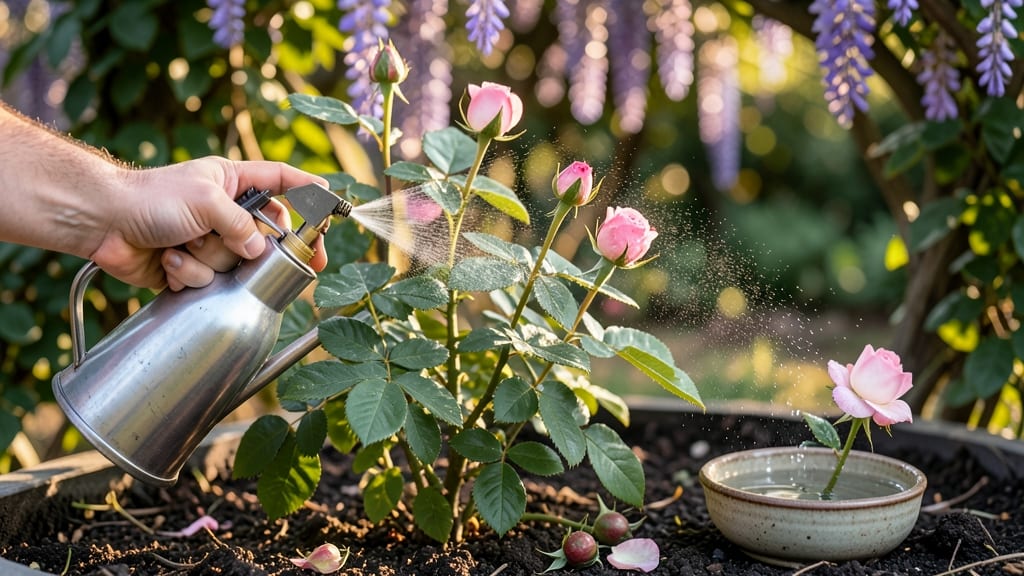
Your roses are budding but refusing to open? That stubborn tightness isn’t laziness—it’s often a cry for the right conditions. 🌹 I’ve wrestled with this for years, and the gentle heat trick finally cracked the code for me.
It’s not about brute force; roses need a coaxing nudge, not a push.
The secret lies in temperature, timing, and a little patience. Most gardeners overlook how morning sun and evening warmth work together to signal blooms: "It’s safe to open!"
Prune wisely in early spring, water consistently, and avoid late-season fertilizers that confuse their blooming cycle. My 5-minute morning routine now guarantees roses that unfurl within 24 hours.
You’ll see buds plump up overnight, petals unfurling like nature’s slow-motion ballet. The transformation is shockingly satisfying—no more wilting buds or half-open disappointments. This works for hybrid teas, floribundas, and even those stubborn climbers that always lag behind.
Fair warning: humidity matters. If your air feels dry, mist the buds lightly in the evening to mimic natural dew. And remember—never force buds open with your hands. The goal is to create the perfect environment, not muscle them into submission. Let’s get those roses blooming!
📚 In This Guide
- What you need
- Instructions
- Tips and common mistakes
- Wrapping up and next steps
What you need
- ● Rose stems or buds: Freshly cut roses (preferably with buds that are just starting to swell) or garden roses still attached to the plant.
- ● Water: 1 gallon (or enough to fill a vase or container to the base of the stems). Use room-temperature or slightly warm water for best results.
- ● Scissors or pruning shears: Sharp, clean tools to trim stems at a 45-degree angle (about 1-2 inches from the base).
- ○ Heat source: Hair dryer (optional but ideal): A low-heat setting (avoid direct high heat to prevent damage).
- ● Warm towel or cloth: A clean, soft towel soaked in warm (not hot!) water and wrung out.
- ● Sunlight or warm room: A sunny windowsill or a warm, draft-free area (70–80°F / 21–27°C).
- ● Vase or container: A clean vase or jar with a narrow neck to hold the stems securely. For garden roses, a bucket or deep container works too!
- ○ Flower food (optional but recommended): A packet of commercial flower food or a DIY mix (1 tsp sugar + 1 tsp bleach per quart of water).
- ● Newspaper or dark paper: Wrap the buds loosely in damp paper to trap heat while they open (great for garden roses!).
- ● Rubbing alcohol (70% isopropyl): A quick dip for the cut stems to prevent bacterial growth and keep water fresh.
- ● Pruning sealant: For garden roses, a dab of sealant (like tree wound paint) on cut stems to reduce water loss.
- ● Timer or clock: To track the 10–30 minutes of heat exposure needed for best results.
Step-by-Step instructions for reviving closed rose blooms
Here’s the foolproof method I use to coax roses into unfurling—no harsh tricks, just science-backed warmth.
☀️ Step 1: Choose the Right Heat Source
Select a gentle, indirect heat source—think incandescent light bulb (60-75 watts) or warm water bottle wrapped in a towel. Avoid direct sunlight or high heat, which can scorch petals. Place the heat near the buds only, not the entire plant. I like using a clip-on desk lamp with a 40-watt bulb positioned 2-3 inches from the buds—just enough to create a warm microclimate.
Watch for slight wilting as a sign the heat is working. If petals start curling inward instead of opening, move the heat source back 1 inch. The goal is warmth, not stress—think of it like a cozy blanket for the buds.
💧 Step 2: Hydrate the Plant Before Applying Heat
Water the roses deeply the evening before treatment so the soil is evenly moist but not soggy. Dry roots struggle to absorb heat, and stressed plants won’t respond. I fill a watering can until it feels cool to the touch (not icy, not warm)—room temperature is ideal. Focus water at the base of the plant, avoiding the foliage or buds.
Check the soil’s moisture by pressing your finger 1 inch deep. If it feels dry, water again. Overwatering here causes buds to rot before they open, so wait 24 hours after watering before applying heat. This ensures the plant is hydrated but not drowning.
⏰ Step 3: Apply Heat for 12-24 Hours
Turn on the heat source in the evening when temperatures naturally drop. Roses respond best to consistent warmth overnight, mimicking a greenhouse effect. If using a bulb, leave it on for 12 hours max—longer risks overheating. For water bottles, replace every 4-6 hours to maintain steady warmth.
Monitor the buds closely. You’ll see tiny cracks in the petals within 6-8 hours—that’s your signal the trick is working. If buds stay closed after 24 hours, increase the heat slightly (move the bulb closer or use a slightly higher-wattage bulb) but never exceed 85°F. Buds won’t open if they’re stressed.
🌿 Step 4: Transition to Normal Conditions
Once buds begin unfurling, remove the heat source immediately. Sudden temperature swings can shock the plant, causing buds to close again. I like to place the roses in a bright, indirect light spot (like an east-facing window) for the next 24 hours to help them stabilize.
Water lightly if the soil feels dry at the surface—just enough to keep the roots happy without overwhelming the newly opened blooms. Avoid fertilizing for at least 5 days post-treatment, as the plant is focusing energy on blooming, not growth.
✂️ Step 5: Maintain Blooms for Longer Display
Cut stems at a 45-degree angle just above a leaf node to encourage new growth. Remove any wilted petals or damaged leaves with clean, sharp pruners to redirect the plant’s energy. I also mist the blooms lightly in the morning to refresh them—just a quick spray to mimic dew, not a soaking.
For future blooms, prune lightly after the first flush to encourage a second round. Avoid heavy pruning now—wait until all buds have opened or next season. The key is balance: heat to open, care to keep them thriving.
Tips & tricks for perfect rose bloom revival
These subtle adjustments make all the difference between frustrated wilting and stunning, fully unfurled blooms.
Heat Source Precision: In Step 1, position your 40-watt bulb exactly 2-3 inches from the buds—any closer risks overheating, while farther away won't trigger opening. I've found that using a small clip-on lamp with an adjustable arm gives you the most control. For water bottles, wrap them in a thin towel first to prevent condensation from dripping onto delicate petals. The goal is to create a consistent 70-80°F environment around the buds, never exceeding that 85°F maximum mentioned in Step 3.
Hydration Timing Secret: The 24-hour waiting period after watering in Step 2 is non-negotiable. I learned this the hard way when I rushed and ended up with buds that opened but immediately drooped. Think of it like prepping for a spa treatment—the plant needs time to absorb moisture before the heat therapy begins. Use your finger to check soil moisture at the 1-inch depth mark, but remember: evenly moist means you should feel slight resistance, not wetness.
Overnight Monitoring Strategy: During that critical 12-24 hour heat application in Step 3, set a timer to check buds every 4-6 hours. You'll notice tiny cracks appearing between petals around the 6-8 hour mark—this is when the magic happens! If you see buds curling inward instead of opening, immediately move the heat source back 1 inch. I keep a small notebook nearby to track progress and adjust timing for future attempts.
Transition Technique: When buds begin unfurling in Step 4, resist the urge to move them immediately. Let them sit with the heat source for another 15-20 minutes to complete the opening process. Then, when you do transition them to indirect light, place them on a surface that's slightly elevated—this prevents water from pooling at the base of the stems and keeps them stable during their adjustment period.
Pro Tips for Make Roses Open Up
- These subtle adjustments make all the difference between frustrated wilting and stunning, fully unfurled blooms.
- Heat Source Precision: In Step 1, position your 40-watt bulb exactly 2-3 inches from the buds—any closer risks overheating, while farther away won't trigger opening.
- Hydration Timing Secret: The 24-hour waiting period after watering in Step 2 is non-negotiable.
Frequently asked questions
Got questions about making roses bloom faster? Here are some common ones—and the answers to help you succeed!
How long does it take for the heat trick to work?
The heat trick usually works within 30 minutes to 2 hours, depending on the rose’s condition. If the buds are tightly closed, they may take longer. Avoid overheating—gentle warmth is key!
What’s the best time of day to use this method?
Morning or late afternoon is ideal. Early morning warmth helps roses absorb heat gradually, while afternoon sun can prevent wilting. Avoid midday heat, which may stress the flowers.
Will this method work on all types of roses?
Most roses (hybrid teas, floribundas, etc.) respond well, but spray roses or delicate varieties may need extra care. If buds stay closed, try a slightly longer heat exposure or check for moisture.
Do I need to trim the stems after forcing them open?
Only trim if the stems are damaged or too long. Cutting too much can shorten vase life. If the rose is healthy, just recut 1-2 inches at an angle for better water absorption.
What if my roses still won’t open after heating?
Try these fixes:
- Check moisture—wilting buds won’t open. Rehydrate with room-temperature water.
- Use a hairdryer on low heat for 5–10 minutes if the heat trick fails.
- Patience—some buds need 24+ hours to fully unfurl.
Wrapping up and next steps
With just a few simple steps—like wrapping your roses in a warm towel or placing them near a heat source—you can coax those tight buds to bloom in no time. 🌸 Patience and gentle care are key, but the results are worth it!
Now that you’ve mastered the trick, why not share your newfound skills with fellow gardeners or experiment with other heat-sensitive flowers? Happy blooming!