
Flowers
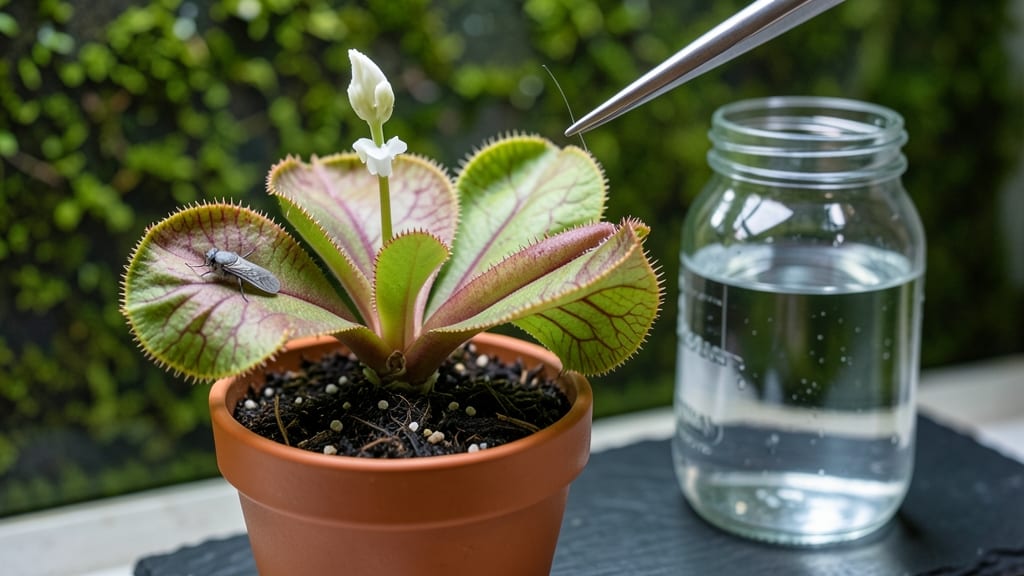
Your Venus flytrap just won’t snap shut—here’s why. 🌱 These plants only open when they sense prey, and forcing them can damage the delicate lobes. The secret lies in understanding their natural triggers: gentle touch, not brute force.
You’ll need a soft paintbrush or your fingertip (no gloves—they block sensitivity) and patience. A single light touch along the trigger hairs makes the lobes fold inward in seconds. Think of it like tickling a plant’s instincts. Overstimulation is the real enemy here.
Once open, the trap stays closed for 5–12 days while digesting its meal. After that, the lobes reopen naturally—no human intervention needed. This process keeps your flytrap healthy and hungry for real insects.
If yours refuses to close, check the soil (it needs to stay moist but not soggy) and avoid touching the lobes too often. These plants are carnivores, not toys—let them work their magic. Now go observe that fascinating trap mechanism in action!
📚 In This Guide
- What you need
- Instructions
- Tips and common mistakes
- Wrapping up and next steps
What you need
- ● Live Venus flytrap plant: A healthy, mature specimen (preferably with at least 3-5 fully formed traps). Pro tip: Avoid overwatered or wilted plants—they won’t respond well!
- ● Distilled or rainwater: 1-2 cups (240-480 mL) to keep the soil moist but not soggy. ⚠️ Never use tap water—it’s toxic to these plants!
- ● Small paintbrush or cotton swab: For gentle stimulation (soft bristles work best).
- ○ Tweezers (optional but helpful): For precise handling of small prey or triggers.
- ● Magnifying glass: To inspect traps up close and spot subtle movements.
- ● Small bowl or tray: To catch excess water and prevent root rot.
- ● Food-safe insect (e.g., gnat, ant, or small piece of liver): For a natural feeding test—only if your plant is hungry!
- ● Notebook & pen: To track trap responses and care notes.
- ● A well-lit spot with indirect sunlight (4-6 hours/day).
- ● A humid environment (50-70% humidity) or a terrarium setup.
- ● Patience! Venus flytraps are slow to respond—don’t rush them.
Step-by-Step instructions for opening a Venus fly trap
Here's how to safely coax your Venus fly trap's jaws open—without triggering accidental closures.
🌱 Step 1: Understand the Natural Trigger
Venus fly traps open naturally when their lobes are stimulated by prey or gentle touch. The key is to avoid triggering the sensitive hairs on the inner lobes—these are what cause the trap to snap shut. Focus on the outer edges where the lobes meet the main plant body. A light tap with your fingertip or a soft brush stroke works best.
I like to use a clean, dry paintbrush for this step. Lightly stroke the outer edge of one lobe where it connects to the stem. You'll see the trap begin to open within 30 seconds to 2 minutes. If nothing happens after 5 minutes, try a slightly firmer touch—but never press the inner hairs.
💧 Step 2: Use Moisture to Encourage Movement
Dry traps are less responsive, so I always mist the plant with distilled water before attempting to open it. Use a spray bottle to lightly dampen the lobes and surrounding leaves. The moisture signals the plant to become more active and responsive to touch.
Wait 5-10 minutes after misting before attempting to open the trap. You'll notice the leaves feel slightly more pliable and the edges perk up. This is your cue that the plant is primed for gentle stimulation. If the water drips onto the trap, use a paper towel to blot it dry immediately—standing water can cause rot.
☀️ Step 3: Provide Warmth and Light After Opening
Once the trap is open, place it in bright, indirect light at 70-80°F to encourage full opening. I position mine near an east-facing window where they get morning sun but avoid harsh afternoon rays. The warmth and light help the trap stay open for 12-48 hours, giving you time to observe its structure.
Don't be alarmed if the trap doesn't open completely—some varieties have limited range. The goal is to see the inner lobes separate enough to reveal the trigger hairs. If the trap closes unexpectedly, it means you accidentally stimulated the inner hairs. Simply wait 24 hours before trying again with gentler touches.
⏰ Step 4: Monitor and Maintain the Trap
After opening, check the trap daily for signs of stress. Healthy traps will remain open for 1-3 days before closing naturally. If it stays open longer than 3 days, it may be dehydrated—give it a light misting with distilled water. Never force the trap to close by pressing the edges together.
Here's the thing—don't overdo it. Opening a Venus fly trap more than once every 2 weeks can stress the plant. I limit my attempts to 2-3 times per season unless the plant is actively growing new traps. Always use distilled or rainwater—tap water minerals can damage the sensitive leaves over time.
Tips & tricks for perfectly opening Venus fly traps
These gentle techniques will help you safely reveal your Venus fly trap's fascinating inner structure without triggering premature closures.
Timing Secret: In Step 1, when you're waiting for the trap to respond to your touch, remember that the 30 seconds to 2 minutes window is your best chance for success. If nothing happens after 5 minutes, resist the urge to press harder—this often triggers the inner hairs. Instead, try a slightly different angle or a very light touch along the outer edge where the lobe meets the stem. Patience is key here; the plant needs time to respond to stimulation.
Moisture Matters: The 5-10 minutes wait after misting in Step 2 is crucial for two reasons. First, it allows the distilled water to fully hydrate the plant's tissues, making them more responsive. Second, it gives any excess water time to evaporate or be blotted away, preventing rot. I've found that using a spray bottle with a fine mist setting helps distribute moisture evenly without oversaturating the delicate lobes.
Light and Temperature: After successfully opening your trap, placing it in bright, indirect light at 70-80°F creates the perfect conditions for observation. I position my traps near an east-facing window where they receive gentle morning sunlight. This temperature range mimics their natural habitat and helps maintain the trap's open position for the 12-48 hours you'll need to study its structure. Avoid placing them in direct sunlight, which can cause overheating and stress.
Recovery Strategy: If you accidentally trigger the inner hairs and the trap closes unexpectedly, don't panic. The instructions mention waiting 24 hours before trying again, but I've found that most traps will respond to gentle stimulation within 12 hours if they're healthy. This recovery period gives the plant time to reset its sensitivity. Always use distilled water during this time to keep the plant hydrated without introducing harmful minerals.
Pro Tips for Open A Venus Fly Trap
- These gentle techniques will help you safely reveal your Venus fly trap's fascinating inner structure without triggering premature closures.
- Timing Secret: In Step 1, when you're waiting for the trap to respond to your touch, remember that the 30 seconds to 2 minutes window is your best chance for success.
- Moisture Matters: The 5-10 minutes wait after misting in Step 2 is crucial for two reasons.
Frequently asked questions
Got questions about opening a Venus flytrap? You’re not alone! Here are some of the most common queries—plus straightforward answers to help you handle those curious traps like a pro.
How do I safely open a Venus flytrap without damaging it?
Use a wooden stick or toothpick to gently pry the lobes apart along the hinge (never force it!). Apply light pressure near the trigger hairs—avoid the midrib. If it resists, wait 24 hours and try again. Patience is key!
How long does it take for a Venus flytrap to reclose after opening?
Most traps reclose within 5–15 minutes after opening, but this depends on humidity and temperature. If it stays open too long (over 24 hours), it may signal stress—check moisture levels or water quality.
Can I use tweezers or fingers to open a Venus flytrap?
No!
Tweezers can crush the delicate trigger hairs, and fingers introduce oils/bacteria. Stick to non-metallic, blunt tools (like chopsticks or popsicle sticks) to preserve the trap’s sensitivity.
Why won’t my Venus flytrap open even after trying?
Possible reasons:
- Dormancy: Traps often “rest” in winter (Dec–Feb). Wait until spring!
- Age: Older traps (2+ years) may lose flexibility. Replace if needed.
- Environment: Low humidity (<50%) or poor lighting can stiffen the mechanism.
Should I open a Venus flytrap to feed it?
Only open it if necessary—like for stubborn prey. Normally, let the trap close naturally after catching food. Forcing it open risks digestive delays or bacterial growth. If feeding, use tiny insects (like gnats) and remove uneaten prey in 24–48 hours.
How often can I open/close a Venus flytrap?
Limit manual openings to once every 2–3 weeks max. Overdoing it stresses the plant. Prioritize natural closures—this keeps the trap’s energy focused on growth, not recovery. Think of it like a delicate door that needs rest!
Wrapping up and next steps
Opening a Venus flytrap naturally is all about patience, the right touch, and a little understanding of their carnivorous quirks! By using distilled water, gentle stimulation, or even a dietary trigger, you’ve learned how to encourage those jaws to snap wide open—without harming your plant.
Remember, these traps are delicate, so always prioritize their well-being over quick results.
Now that you’re armed with these gentle techniques, why not experiment further? Try documenting which methods work best for your specific plant or even share your success with fellow plant enthusiasts. Happy growing—your Venus flytrap is ready for its close-up! 🌿✨