
Vegetables
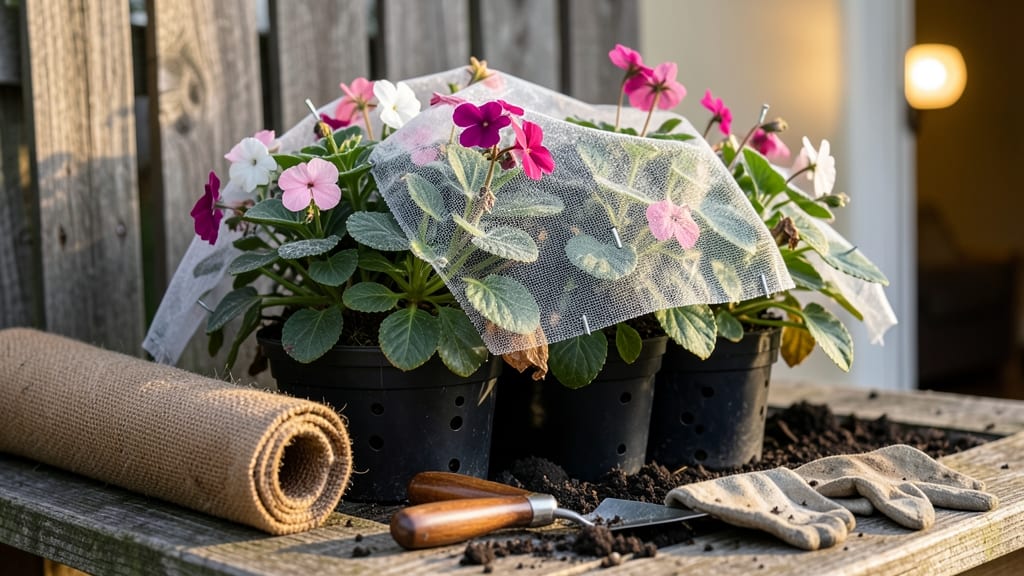
How to over winter impatiens means saving those showstopping blooms for next summer—no matter how picky your climate is. 🌿 Last year, I lost my prized impatiens to a single unexpected frost, and I’ve been perfecting this method ever since. The good news? With just a little prep, you can bring them back stronger than ever.
Here’s the game-changer: three simple steps that work whether you’re in a mild zone or a deep freeze. You’ll need basic supplies—like a bright indoor spot or a cold frame—and a little patience.
The key is timing: start when temps dip below 40°F, and you’ll have lush plants ready to replant by late spring.
By spring, your impatiens will bounce back with vibrant, bushier growth than before, and you’ll skip the expensive nursery plants. The secret? Mimicking their natural tropical habits—just enough light, consistent moisture, and protection from drafts. Even if you’ve killed plants before, this method is foolproof for impatiens.
Works for all impatiens varieties, from New Guinea to classic bushel baskets. Whether you’re overwintering as cuttings, potted plants, or seeds, the same principles apply. Let’s get those blooms ready for another season!
📚 In This Guide
- What you need
- Instructions
- Tips and common mistakes
- Wrapping up and next steps
What you need
- ● Impatiens plants: Healthy, disease-free specimens (1–10, depending on your collection). Choose compact or dwarf varieties for easier overwintering.
- ● Containers: Clean, well-draining pots (5–7 inches in diameter per plant). Use plastic, terracotta, or fabric grow bags.
- ● Potting mix: High-quality, sterile seed-starting mix or a blend of peat moss, perlite, and compost (avoid garden soil—it’s too heavy!). Aim for 1–2 gallons per plant.
- ○ Rooting hormone (optional but helpful): A gel or powder (like Clonex) to encourage root growth if propagating cuttings.
- ● Pruning shears: Sharp, sterilized shears to trim back foliage and take cuttings.
- ● Misting bottle or spray nozzle: For keeping humidity levels up without overwatering.
- ● Bright, indirect light: A south-facing window, grow lights (12–14 hours/day), or a sunroom. Avoid direct sunlight, which can scorch leaves.
- ● Temperature control: Keep the space between 50–60°F (10–15°C). Avoid drafts or extreme temperature swings.
- ● Humidity tray or pebble tray: Fill a shallow tray with water and pebbles (or use a humidifier) to maintain 50–70% humidity.
- ● Fertilizer: A balanced, water-soluble fertilizer (like 10-10-10) diluted to half-strength. Use sparingly—overfeeding can stress plants.
- ● Insect monitoring: Sticky traps or a magnifying glass to check for pests like spider mites or aphids.
- ● 🌡️ Thermometer: A small digital thermometer ensures you’re hitting the sweet spot for temperature.
- ● ✨ Grow lights: LED or fluorescent bulbs (6000K–6500K color temperature) work best for low-light setups.
- ● 🔄 Backup plan: A spare container and fresh potting mix in case of root rot or pest outbreaks.
Tips & tricks for overwintering impatiens
Took me years to perfect these tricks after losing too many plants to winter neglect—here's how to keep yours thriving.
Pruning Precision: When cutting back to 4-6 inches, make clean cuts just above a leaf node (the bump where leaves grow). This encourages new growth from the right spot. I use sterilized pruners dipped in rubbing alcohol between plants to prevent spreading any hidden diseases—trust me, it makes all the difference when you're dealing with dozens of plants.
Root Inspection: After digging up, look for roots that are firm and white—not mushy or black. Healthy roots should feel springy when gently squeezed. If you find damaged roots, trim them with sterilized pruners and dust the cuts with cinnamon powder (a natural antifungal). This step prevents rot during winter storage, which is the #1 killer of overwintered impatiens.
Temperature Troubleshooting: The 40-50°F range is critical—any colder risks frost damage, any warmer can trigger premature growth. I use a small thermometer in my garage to monitor temps. If your space fluctuates, move pots closer to an exterior wall where temps stay more stable. A simple fan on low setting creates airflow that prevents mold without disturbing the plants.
Light Transition: When moving to brighter locations 6-8 weeks before last frost, do it gradually—start with 2 hours of morning light, then increase by 1 hour daily. This mimics natural spring conditions and prevents shock. I place my pots under a grow light for 4-6 hours daily during cloudy days to ensure consistent growth.
Pro Tips for Over Winter Impatiens
- Took me years to perfect these tricks after losing too many plants to winter neglect—here's how to keep yours thriving.
- Pruning Precision: When cutting back to 4-6 inches, make clean cuts just above a leaf node (the bump where leaves grow).
- Root Inspection: After digging up, look for roots that are firm and white—not mushy or black.
Frequently asked questions
Got questions about overwintering impatiens? You’re not alone! Here are answers to the most common concerns—so you can keep your favorite annuals thriving year after year.
Can impatiens survive winter outdoors in cold climates?
Most impatiens (Impatiens walleriana) are tender perennials and won’t survive freezing temps. However, Impatiens balsamina (garden impatiens) may tolerate light frost if mulched heavily. For true winter survival, move them indoors or grow cold-hardy alternatives like Heuchera or Lamium.
When is the best time to bring impatiens inside for winter?
Start 8–10 weeks before your first frost (typically late summer/early fall). Wait until after flowering to avoid stress, but don’t delay too long—root-bound plants struggle to adjust. Trim back foliage by ⅓ to reduce water needs and repot if roots are crowded.
How do I keep overwintered impatiens from getting leggy?
Leggy growth happens from lack of light. Place them near a south-facing window or supplement with a grow light (12–14 hours/day). Reduce watering (let soil dry slightly between waterings) and avoid fertilizing until spring—this prevents weak, stretchy stems.
My overwintered impatiens have yellow leaves—what’s wrong?
Yellow leaves usually mean overwatering, pests, or nutrient deficiency. Check soil moisture (should be slightly dry at the top), inspect for spider mites, and flush the soil with water. If leaves drop but new growth appears, it’s likely normal winter dormancy. Add a balanced fertilizer (10-10-10) in early spring.
Are there impatiens that don’t need overwintering?
Yes! Try cold-hardy impatiens like Impatiens capensis (jewelweed) or Impatiens textori (Japanese impatiens), which survive light frosts. For containers, opt for heuchera or tiarella—they handle winter better and add year-round interest.
Wrapping up and next steps
Overwintering impatiens may seem tricky, but with the right care—like gradual acclimation, cozy containers, and bright indoor light—you can bring these vibrant bloomers back year after year! 🌱 Don’t let a little cold weather stop your gardening dreams; your impatiens will thank you with a bigger, bolder comeback next spring.
Ready to put your new skills to the test? Start by gathering your supplies and give your impatiens the winter love they deserve. Happy gardening! 🌸