
Advice
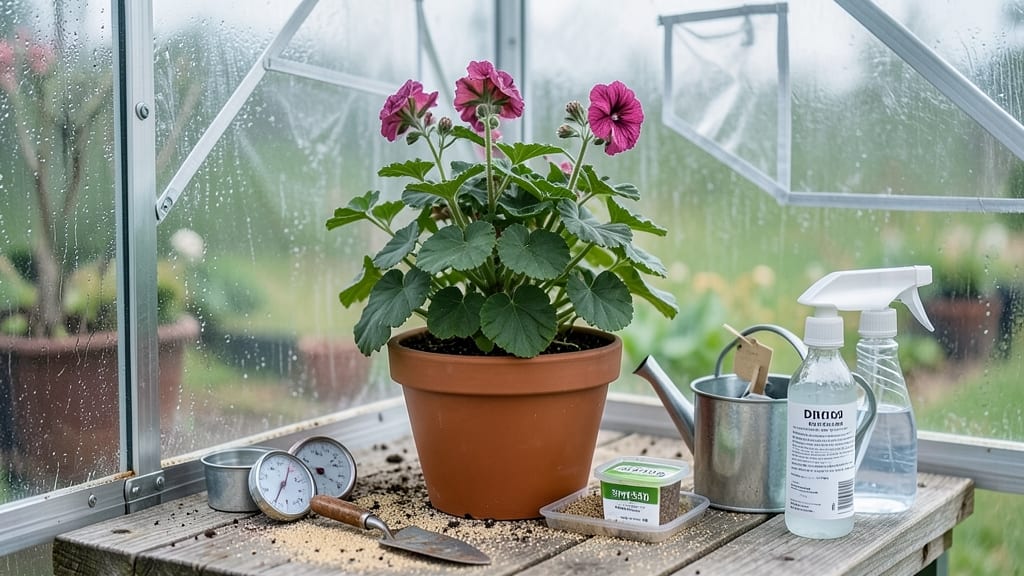
Overwintering geraniums in a cold greenhouse saves your favorite blooms from winter's end. 🌿 I've lost more than a few to neglect—until I learned the right balance of light, temperature, and care.
The secret isn't fancy equipment; it's knowing exactly when to prune, how to ventilate, and what to watch for.
Start by pruning back leggy stems to half their size and checking for pests before storing. Your greenhouse needs to stay between 35-45°F—too warm, and mold takes over; too cold, and roots freeze.
A simple thermometer and occasional ventilation cracks are all you need to keep them thriving through dormancy.
By spring, you'll see fresh green growth signaling success. The plants wake up stronger, ready to bloom earlier than store-bought geraniums. Just avoid the common mistakes—like overwatering or letting humidity build too high—and you'll have lush plants year after year.
This method works for both zonal and ivy geraniums, even in unheated greenhouses. The key is consistency: check them monthly, adjust ventilation as needed, and you'll have vibrant plants waiting for summer's return. Let's get those geraniums through winter like a pro!
📚 In This Guide
- What you need
- Instructions
- Tips and common mistakes
- Wrapping up and next steps
What you need
- ● Cold-hardy geranium varieties (e.g., Geranium macrorrhizum or Geranium sanguineum) – 3-5 plants per square foot (adjust based on greenhouse size).
- ● Cold greenhouse with ventilation (natural or forced-air) and temperature control (ideal range: 35–45°F).
- ● Well-draining potting mix – Cactus/succulent mix or 60% peat/40% perlite (avoid heavy clay soil). Quantity: Enough to repot plants in 10–12" pots.
- ● Pruning shears – Sterilized, sharp blades (for trimming leggy stems).
- ● Watering can with rose attachment – For gentle, bottom-watering (prevents root rot).
- ● Thermometer/hygrometer – Digital probe type (to monitor temp/humidity).
- ● Insecticidal soap or neem oil – 1–2 oz per gallon of water (for pest prevention).
- ● Clear plastic sheeting or frost cloth – For extra insulation (if temps dip below 30°F).
- ● Heating mat – For pots on cold floors (set to 50°F max).
- ● LED grow lights – 12–14 hours/day (if natural light is ).
- ● Automatic greenhouse fan – For humidity control (aim for 40–60% RH).
- ● Slow-release fertilizer – Balanced 10-10-10 (apply sparingly in winter).
- ● Mulch (straw or bark) – 1–2" layer on soil surface (retains moisture).
Step-by-Step instructions for overwintering geraniums in a cold greenhouse
Here's my foolproof method to keep your geraniums thriving through winter—no wilting, no dead stems.
🪴 Step 1: Prepare Geraniums for Dormancy
Start by trimming your geraniums back by about one-third of their height using clean, sharp pruners. This removes leggy growth and redirects energy toward root health. I like to cut just above a set of leaves to encourage bushier regrowth later. Remove any yellow or diseased foliage immediately—this prevents rot from spreading during storage.
Next, water the plants deeply 3-5 days before moving them to the greenhouse. The soil should feel moist but not soggy—you want roots hydrated but not waterlogged. This final watering ensures they enter dormancy with enough moisture but without excess that could cause root rot during cold months.
🌱 Step 2: Clean and Inspect the Greenhouse
Before bringing geraniums inside, give your cold greenhouse a thorough cleaning. Wipe down shelves and walls with a 10% bleach solution (1 part bleach to 9 parts water) to kill any fungal spores or pests lurking from last season. I also open all vents and doors to air out the space for at least 24 hours—fresh air prevents mold buildup that could smother your plants.
Check for drafts or cold spots. Seal any gaps with weatherstripping or foam board if temperatures drop below 40°F. A small space heater set to 50-55°F (with a thermostat) works wonders for maintaining consistent warmth without overheating. Never let the greenhouse drop below 35°F—geraniums can tolerate brief dips, but prolonged cold weakens them permanently.
☀️ Step 3: Position and Space Geraniums Properly
Arrange geraniums on shelves with 4-6 inches of space between each plant. This airflow prevents humidity buildup, which causes fungal diseases like powdery mildew. Place them on the middle or lower shelves where temperatures are most stable—top shelves can get too hot if the greenhouse has a heat source.
Face plants toward the greenhouse’s brightest side (usually south-facing) to maximize winter light. If natural light is dim, supplement with a grow light for 12 hours daily. You’ll notice stems stretching toward light if they’re not getting enough—this is your cue to adjust placement or add artificial light immediately.
💧 Step 4: Monitor and Adjust Care Through Winter
Check geraniums weekly for signs of stress. Water sparingly—only when the top inch of soil feels dry. Overwatering in winter is the #1 killer; soggy roots rot quickly in cool, dark conditions. I use a moisture meter to avoid guesswork—it’s worth the investment for peace of mind.
Watch for spider mites or aphids, which thrive in dry greenhouse air. Wipe leaves with a damp cloth if you spot them early. If buds form unexpectedly (a sign of too-warm conditions), prune them off to conserve energy. Geraniums in dormancy should look dormant—no new growth, just sturdy stems and bare branches.
⏰ Step 5: Transition Back to Active Growth in Spring
When daytime temperatures consistently stay above 50°F (usually late February or March), it’s time to prep for spring. Gradually increase watering and move plants to a sunnier, warmer spot in the greenhouse. You’ll see new growth within 2-3 weeks—this is your signal to resume regular fertilizing and pruning.
Hardening off isn’t needed for overwintered geraniums, but I still acclimate them slowly to outdoor conditions by placing them outside for 1-2 hours daily starting in April. This prevents shock when you eventually transplant them back to the garden or pots. By late spring, they’ll be blooming like they never left!
Tips & tricks for overwintering geraniums in a cold greenhouse
A few small adjustments can make all the difference between geraniums that survive winter and ones that thrive. Here's what I've learned from years of trial and error.
Pruning Precision: When you trim your geraniums back by one-third in Step 1, focus on removing only the leggy, overgrown stems rather than hacking everything indiscriminately. I cut just above a leaf node where new growth will emerge—this encourages bushier regrowth in spring. Use clean, sharp pruners to avoid crushing stems, which creates entry points for disease. The cleaner your cuts, the healthier your plants will be during dormancy.
Temperature Troubleshooting: Maintaining that 50-55°F range in your greenhouse is crucial, but every space behaves differently. I recommend placing a small thermometer near your plants to monitor conditions—fluctuations outside this range can stress geraniums. If your greenhouse gets too warm (above 60°F), open vents slightly to prevent premature budding. Conversely, if temperatures drop below 40°F, consider adding extra insulation or a small space heater with a thermostat to maintain stability.
Lighting Strategy: The 12 hours of grow light mentioned in Step 3 is perfect, but positioning matters just as much as duration. Place lights about 6-12 inches above the plants to prevent stretching. I've found that LED grow lights are most energy-efficient and produce less heat, which is especially important in a greenhouse where temperatures are already delicate. Rotate plants weekly so all sides receive even light exposure—this prevents lopsided growth when they wake up in spring.
Weekly Inspection Routine: That weekly check mentioned in Step 4 is non-negotiable, but what you're looking for goes beyond just wilting leaves. Run your fingers gently along stems—feel for any sticky residue (aphids) or webbing (spider mites). Early detection is key! I keep a small bottle of neem oil handy for quick treatment if I spot any pests. Also, check the soil moisture with your finger rather than relying on the moisture meter occasionally—your hands develop an intuitive sense for when that top inch is truly dry.
Pro Tips for Overwinter Geraniums In A Cold Greenhouse
- A few small adjustments can make all the difference between geraniums that survive winter and ones that thrive.
- Pruning Precision: When you trim your geraniums back by one-third in Step 1, focus on removing only the leggy, overgrown stems rather than hacking everything indiscriminately.
- Temperature Troubleshooting: Maintaining that 50-55°F range in your greenhouse is crucial, but every space behaves differently.
Frequently asked questions
Got questions about keeping your geraniums thriving through winter? You’re not alone! Here are some of the most common concerns—and straightforward answers—to help you overwinter like a pro.
What’s the ideal temperature range for overwintering geraniums in a cold greenhouse?
The sweet spot is between 35–45°F (2–7°C). Below 30°F (-1°C), roots may suffer, while above 50°F (10°C) encourages early growth and weakens plants. Use a minimum thermometer to monitor temps and adjust ventilation or heating as needed.
When should I start preparing my geraniums for overwintering?
Begin 6–8 weeks before the first frost (typically late summer/early fall). Prune back leggy stems, repot if roots are crowded, and gradually reduce watering. Hardening off plants in cooler temps (like a shaded outdoor spot) for 1–2 weeks beforehand also helps them adjust.
Can I overwinter geraniums in a regular greenhouse without extra heating?
Yes! A cold-frame greenhouse or unheated structure works if temps stay above 28°F (-2°C). Add insulation (like bubble wrap on windows) and a layer of straw or leaves around pots to protect roots. Just avoid soggy soil—water sparingly and only when the top inch is dry.
How do I prevent pests or diseases during overwintering?
Watch for spider mites, aphids, and fungal issues (like powdery mildew) in dry or crowded conditions. Inspect leaves weekly and treat early with neem oil or insecticidal soap. Improve airflow with spacers between pots, and avoid overhead watering to keep foliage dry.
Will my geraniums bloom again next year if I overwinter them?
With proper care, many geraniums (especially zonals and ivy types) will rebloom vigorously in spring. Pinch back new growth in early spring to encourage bushier plants, and fertilize lightly with a balanced 10-10-10 formula once temps rise above 50°F (10°C).
Wrapping up and next steps
Overwintering geraniums in a cold greenhouse is all about preparation, patience, and protection—but the rewards of vibrant, year-round blooms make it worth every effort! 🌱 By choosing the right varieties, providing proper ventilation, and monitoring moisture and pests, you’ll give your geraniums the best shot at thriving through winter.
Remember, even a few hours of TLC can mean the difference between good and great results.
Now that you’re armed with these expert tips, it’s time to put them into action! Start by prepping your greenhouse this fall, then check in on your geraniums regularly throughout the season. Pro tip: Document your progress—you’ll love looking back at those first spring blooms! Happy gardening! 🌸