
Picking
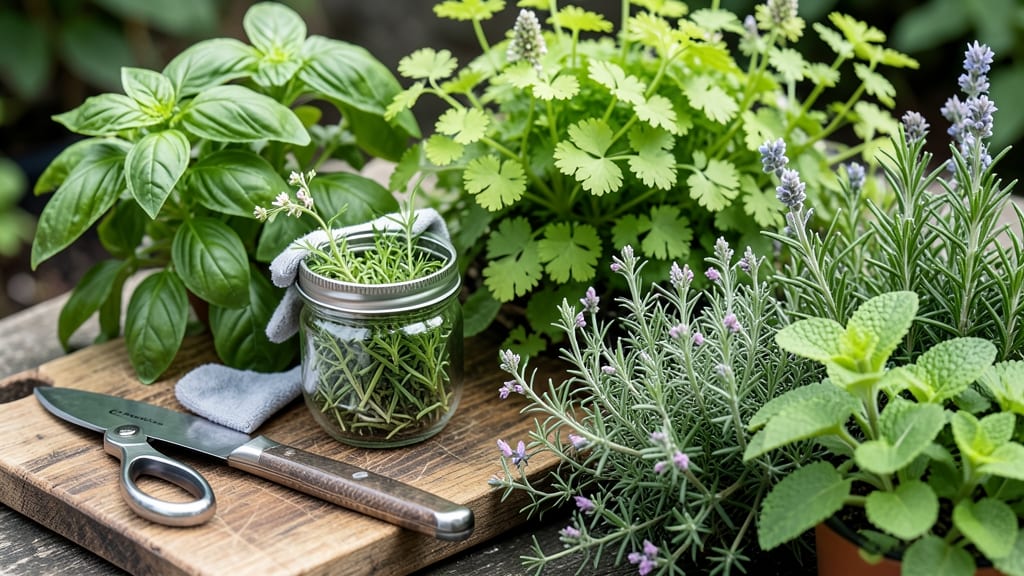
Picking herbs wrong can turn your kitchen garden into a sad, leggy mess. ✂️ The snip-and-come-again method keeps plants bushy, productive, and packed with flavor—no more bitter leaves or stunted growth.
Timing and technique matter more than most gardeners realize, and I’ve learned which mistakes to avoid after years of trial (and regret).
You’ll need sharp scissors or clean pruners—never tear leaves—and a morning harvest window when oils are strongest. Basil thrives when you pinch back just above leaf pairs, while cilantro responds to cutting stems at the base. The goal is always to encourage new growth while preserving the plant’s energy.
By following this method, you’ll harvest fresh, vibrant herbs for months instead of weeks. Store cuttings in water on your countertop for days, or dry bundles upside-down in a dark, airy spot. The right cuts even help prevent woody stems and flowering, which ruins flavor.
This technique works for basil, mint, parsley, and more—just adjust where you cut. Start small, keep it consistent, and you’ll never buy herbs again. Here’s exactly how to do it right from the first snip.
📚 In This Guide
- What you need
- Instructions
- Tips and common mistakes
- Wrapping up and next steps
What you need
- ● Sharp pruning shears or scissors: Choose a pair with clean, stainless-steel blades (4-6 inches long) to avoid crushing stems.
- ○ Gloves (optional but recommended): Lightweight gardening gloves protect against thorns (e.g., rosemary) and dirt.
- ● Water spray bottle (8 oz): For post-harvest rinsing if herbs are dusty.
- ● Small container or mesh bag: Use a breathable bag (like a produce sack) to store herbs and prevent wilting.
- ● Labeling tags or sticky notes: Mark herbs by name if harvesting multiple varieties.
- ● Knee pad or stool: For comfort during long harvesting sessions.
- ● Digital scale (0.1 oz precision): For precise measurements if drying or preserving.
- ● UV sterilizer or rubbing alcohol: Clean tools between cuts to prevent disease spread.
- ● Herb-growing journal: Track growth cycles, harvest dates, and flavor notes.
- ● Mature herb plants (at least 3-6 inches tall, depending on the variety).
- ● Morning sunlight: Harvest after dew dries (8–10 AM) for peak oil content.
- ● Knowledge of plant anatomy: Identify stems, leaves, and flowers to avoid over-pruning.
Step-by-step instructions for harvesting herbs properly
Here's how I keep my herbs thriving while harvesting fresh, flavorful leaves every time.
🌿 Step 1: Identify the Right Time for Harvesting
Pick herbs in the morning after the dew has dried but before the midday heat sets in. This is when essential oils and flavors peak. Look for plants with at least 6-8 inches of growth—young plants need time to establish strong root systems before regular harvesting.
For leafy herbs like basil, parsley, and cilantro, wait until the plant has developed 4-6 sets of true leaves. This ensures the plant has enough energy to regrow. With woody herbs like rosemary and thyme, wait until they've grown at least 8-10 inches tall before cutting back.
✂️ Step 2: Use the Snip-and-Come-Again Technique
Never remove more than one-third of the plant's growth at a time. For leafy herbs, use clean, sharp scissors or pruning shears to cut just above a leaf node or pair of leaves. This encourages new growth from that point. I always angle my cuts slightly downward to prevent water from pooling on the stem.
For herbs like basil and mint, pinch off the top set of leaves with your fingers instead of cutting. This prevents damage to the stems and encourages bushier growth. Avoid cutting into the woody stems of mature plants—focus on the tender new growth at the tips.
💧 Step 3: Maintain Proper Watering After Harvesting
Herbs need consistent moisture to recover after harvesting. Water thoroughly within 24 hours of cutting, ensuring the soil is moist but not soggy. I like to water at the base of the plant rather than overhead to prevent fungal diseases from splashing water onto the leaves.
Check the soil every 2-3 days—if the top inch feels dry, it's time to water again. Overwatering is just as harmful as underwatering, so always let the soil dry slightly between waterings. This balance keeps your herbs healthy and ready for the next harvest.
☀️ Step 4: Provide Optimal Light and Care Post-Harvest
Place your herbs back in a spot with 6+ hours of bright, indirect light after harvesting. South-facing windows or grow lights work best. If you notice the leaves turning pale or the stems stretching toward the light, your herbs need more light. Move them closer to the window or adjust your grow light setup.
Fertilize lightly with a balanced, water-soluble fertilizer every 4-6 weeks during the growing season. I use half-strength fertilizer to avoid burning the roots. This keeps your herbs vigorous and encourages rapid regrowth after harvesting.
Tips & tricks for perfect herb harvesting
Here's what nobody tells you about keeping your herbs thriving after every harvest.
Timing is Everything: The morning after watering is your sweet spot for harvesting—leaves are crispest then, and the plant has fully absorbed moisture. I've learned this the hard way after harvesting wilted herbs that had been watered the night before. The flavor difference is night and day, especially with delicate herbs like cilantro and parsley.
The Angle Makes All the Difference: That 45-degree angle when cutting isn't just for looks—it increases the surface area where new growth emerges. I use a small pair of pruning shears for most herbs, but for basil, I've found that pinching with fingers gives me more control over exactly where new shoots will form. This technique keeps your plants bushy and productive for months.
Herb-Specific Care: Leafy herbs like parsley and chives can handle frequent harvesting, but woody herbs like rosemary need special attention. I make a point to only trim the new growth on rosemary—never the old, woody stems. For thyme, I rotate which stems I harvest from each time to keep the plant balanced. This prevents over-stressing any single part of the plant.
Seasonal Awareness: Pay attention to your local frost dates—stop harvesting 4-6 weeks before the first frost to let your perennials store energy for next season. I mark these dates on my calendar and set reminders so I don't accidentally harvest too late. For annual herbs, I either let them go to seed or pull them completely to make room for fall crops—both options keep my garden organized for next year.
Pro Tips for Pick Herbs
- Here's what nobody tells you about keeping your herbs thriving after every harvest.
- Timing is Everything: The morning after watering is your sweet spot for harvesting—leaves are crispest then, and the plant has fully absorbed moisture.
- The Angle Makes All the Difference: That 45-degree angle when cutting isn't just for looks—it increases the surface area where new growth emerges.
Frequently asked questions
Got questions about picking herbs like a pro?
Here are answers to the most common ones to help you master the snip-and-come-again technique with confidence!
When is the best time of day to pick herbs?
The golden rule? Morning or early afternoon. Herbs like basil, cilantro, and mint release the most oils (and flavor!) when the sun is warm but hasn’t yet evaporated their moisture. Avoid picking after rain or late in the day—herbs can taste bitter or wilt faster.
How do I know if I’m cutting herbs correctly?
Always cut just above a leaf node (the V-shaped junction where leaves meet the stem). This encourages regrowth and prevents woody stems. For bushy herbs like rosemary or thyme, trim 1/3 of the plant at a time to avoid stressing it.
Can I pick herbs from the grocery store?
Not ideal! Store-bought herbs are often sprayed with preservatives or harvested too early for peak flavor. Instead, grow your own or buy organic, locally sourced herbs from farmers' markets. If you must use store-bought, rinse them well and use within 2–3 days.
What if my herbs taste bitter or weak after picking?
Bitter flavors usually mean overripe or stressed herbs. Try picking earlier in the day or harvesting younger leaves. Weak flavor? Your herbs might need more sunlight (6+ hours/day) or nutrients. A light fertilizer (like compost tea) can boost flavor too!
How often should I pick herbs to keep them growing?
Most herbs thrive with regular, light harvesting—every 2–4 weeks for annuals (basil, cilantro) and 1–2 times per year for perennials (rosemary, thyme). Over-picking can stunt growth, so balance harvesting with letting the plant recover!
Wrapping up and next steps
Picking herbs the right way is all about timing, technique, and tenderness—so you can enjoy fresh, vibrant flavors every time! Whether you’re harvesting from your garden or a local market, mastering the snip-and-come-again method ensures your herbs stay healthy and delicious.
Now that you’re armed with tips, tools, and confidence, it’s time to get snipping!
🌱 Next step: Start small—try harvesting a few sprigs of basil or mint today, and experiment with recipes to taste the difference! The more you practice, the more intuitive (and rewarding) it becomes. Happy harvesting! 🌿