
Vegetables
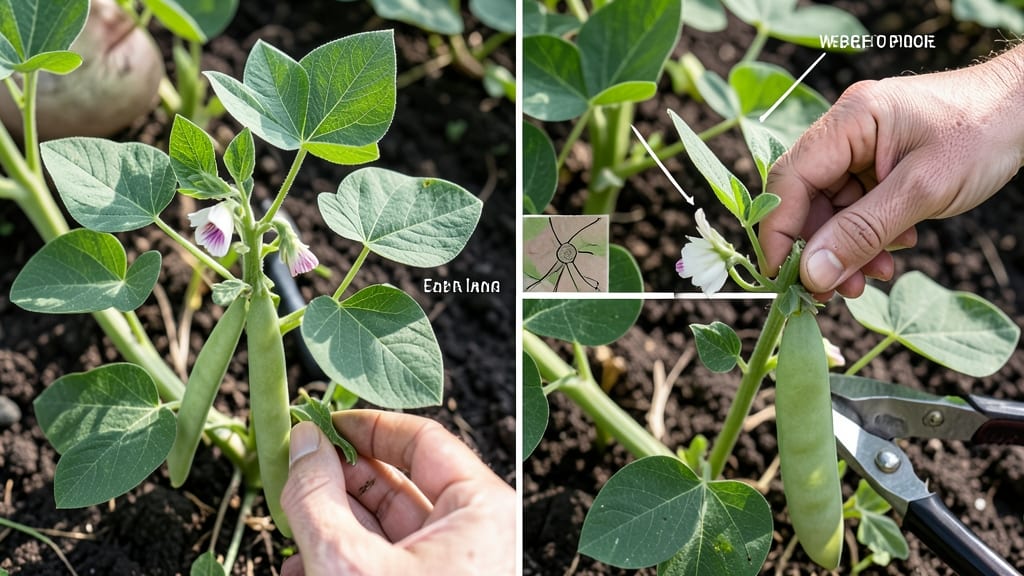
How to pinch out broad beans feels like giving them a tiny haircut for a bigger harvest. 🌱 I learned this trick after watching my plants put all their energy into one long stem instead of branching out—and fewer pods. The secret? Pinching just above a leaf node when they're about 6-8 inches tall forces them to grow bushier, creating more spots for pods to form.
You only need two things: clean fingers (or small pruners) and a sunny morning. The goal is to remove the top set of leaves just above where new branches naturally form.
This isn't about pruning for shape—it's about redirecting energy from vertical growth to horizontal branching, where the pods actually grow. Most gardeners skip this, but it's the difference between a handful of pods and a bountiful harvest.
What happens next is magic. Within a week, you'll see new side shoots forming at the nodes where you pinched. These become the main branches where pods develop, and they're less appealing to pests like aphids because they're lower to the ground.
My plants went from sparse to prolific after just one pinch—no fancy tools or complicated steps required.
Fair warning: timing matters. Do it too early, and you stunt growth. Too late, and you miss the window for bushier development. But once you get the hang of it, you'll wonder why you didn't do this sooner.
The best part? You can repeat the process on new growth throughout the season for continuous harvests.
📚 In This Guide
- What you need
- Instructions
- Tips and common mistakes
- Wrapping up and next steps
What you need
- ● Healthy broad bean plants: Mature plants with visible pods (ideally 3–5 inches long) and at least 2–3 fully formed leaves.
- ● Sharp pruning shears or clean scissors: Sterilized (rubbing alcohol wipe) to prevent disease transfer. Avoid dull tools—aim for bypass blades for clean cuts.
- ○ Gloves (optional but recommended): Nitrile or cotton gloves to protect hands from broad bean thorns or sap.
- ● Garden twine or plant ties (if needed): For securing larger plants post-pinching (3–4 feet long).
- ● Compost or mulch: A small bag (5–10 lbs) to replenish soil nutrients after pinching.
- ● Hand lens (magnifying glass): For spotting hidden pests or checking pod health up close.
- ● Disinfectant spray (10% bleach solution): To clean tools between plants and prevent cross-contamination.
- ● Label markers: If you’re experimenting with different pinching techniques (e.g., marking plants "Pinched Week 1").
- ● Pruning sealant: For sealing larger cuts (though broad beans rarely need it).
Step-by-step instructions for pinching out broad beans
Here’s how to transform your broad beans into a pest-resistant, high-yielding powerhouse with just a few simple pinches.
🌿 Step 1: Identify the Right Time to Pinch
Wait until your broad beans have grown 4-6 inches tall and developed 4-5 true leaves—this is when they’re strong enough to handle pruning. You’ll know it’s time because the main stem will be thick and sturdy, and side shoots will start forming near the base. Pinching too early stresses the plant, while waiting too long means you miss the best growth window.
Check the weather forecast too—do this on a mild, cloudy day to reduce stress. Avoid pinching after heavy rain or during heatwaves, as the plant won’t recover as quickly. I like to pinch in the morning so any new growth has the whole day to adjust.
✂️ Step 2: Pinch Out the Main Stem Properly
Use clean, sharp scissors or fingers to pinch the topmost set of leaves—this is where the main stem ends and side shoots begin. You’ll see a small cluster of leaves growing from a single point; pinch just above this cluster to encourage branching. This is the magic spot: if you cut too high, you stunt growth; too low, and you risk disease.
Don’t worry if it looks drastic at first. The plant will focus its energy on developing stronger side shoots instead of one tall, weak stem. Within 7-10 days, you’ll see new growth sprouting from the pinched area—this is your reward for the effort.
🌱 Step 3: Encourage Bushier Growth with Follow-Up Pinches
Once the side shoots reach 3-4 inches tall, repeat the process by pinching just above the second set of leaves on each new stem. This creates a bushier plant with more pods, and the extra leaves mean better photosynthesis for bigger harvests. Think of it like training a vine—you’re guiding the plant to grow wider instead of taller.
Keep an eye out for yellowing leaves or stunted growth after pinching. If this happens, your plant might be stressed—give it a light watering and a little shade for a day or two. Over time, you’ll learn how your specific broad beans respond, and you’ll know exactly when to pinch for maximum yield.
💧 Step 4: Support and Maintain for Pest Resistance
After pinching, stake or cage your broad beans if they’re growing tall—this prevents them from toppling over and makes it easier to spot pests. I use bamboo stakes tied loosely with twine so the plant can sway naturally. Strong airflow from proper spacing also helps deter pests like aphids, which love crowded, weak stems.
Water at the base of the plant in the morning to keep foliage dry, which reduces fungal risks. A light mulch around the base (like straw) helps retain moisture and keeps weeds down. You’ll notice fewer pests and healthier pods as the plant matures—pinching sets the stage for a stronger, more resilient harvest.
⏰ Step 5: Monitor and Harvest for Continuous Growth
Check your plants weekly for new side shoots that need pinching. The goal is to keep the plant compact and bushy—this means more pods and less waste. Harvest pods when they’re 3-4 inches long and firm to the touch; if you wait too long, they’ll toughen up and lose flavor.
Real talk: If you see blackfly infestations (tiny black bugs on new growth), hose them off immediately. Pinched plants are less appealing to pests, but you’ll still need to stay vigilant. A neem oil spray once a month keeps them in check without harming the plant. With consistent pinching, you’ll have a steady supply of fresh pods all season long.
Tips & tricks for perfect broad bean pinching
Mastering this technique transforms your harvest—here's how to avoid common mistakes and maximize results.
Timing is Everything: The 4-6 week window after planting is critical. If you pinch too early, the plant isn't strong enough to support new growth. Too late, and you'll miss the prime opportunity to redirect energy to side shoots. I always check for those first flower buds forming below the top leaves—this is your definitive signal. Morning inspections are best because plants are fully hydrated, making growth points more visible.
Tool Precision Matters: That 45-degree angle cut isn't just for looks—it prevents water pooling that could cause rot. I've seen beginners tear stems instead of cutting cleanly, which stresses the plant. Use clean, sharp scissors sterilized with rubbing alcohol to prevent disease spread. If you're nervous about cutting, pinch just above a leaf node where new growth naturally emerges—this gives the plant the best chance to focus energy where it counts.
Growth Monitoring Secret: Those 7-10 days after pinching are when magic happens. Watch for new lateral branches forming from leaf axils—they'll be tiny at first but grow rapidly. I keep a small notebook near my garden to track which plants respond best to pinching. If you notice yellowing leaves after pinching, it's often a sign of stress—give the plant a deep watering and consider a phosphorus-rich fertilizer to support new growth.
Pro Tips for Pinch Out Broad Beans
- Mastering this technique transforms your harvest—here's how to avoid common mistakes and maximize results.
- Timing is Everything: The 4-6 week window after planting is critical.
- Tool Precision Matters: That 45-degree angle cut isn't just for looks—it prevents water pooling that could cause rot.
Frequently asked questions
Got questions about pinching out broad beans? You’re not alone—this technique can feel tricky at first! Below, we’ve rounded up the most common queries to help you master the method and grow those plump pods like a pro.
When is the best time to pinch out broad beans?
Pinch out broad beans when the main stem reaches about 18–24 inches tall and the first pods are forming. This usually happens 6–8 weeks after planting, depending on your climate. Wait too long, and you’ll miss the window for optimal growth—too early, and the plant may struggle to support itself. Aim for late spring to early summer in most regions.
What if I accidentally pinch too much or too little?
No stress—broad beans are forgiving! If you pinch too much, the plant may produce fewer pods but will focus energy on larger ones. If you pinch too little, the main stem may keep growing tall and leggy, making pods harder to reach. Just adjust in future sessions. Over time, you’ll find your plant’s sweet spot!
Will pinching out help with blackfly or other pests?
Pinching encourages better air circulation and reduces dense foliage, which blackflies love. Plus, a bushier plant with more side shoots means fewer hiding spots for pests. Pair this with regular inspections and neem oil sprays for extra protection. Your beans will thank you with fewer sticky invaders!
Can I pinch out broad beans grown in containers or small gardens?
Yes, but with a tweak! Container-grown beans or those in tight spaces may not need full pinching. Instead, prune lightly to encourage bushiness without overcrowding. Focus on removing only the topmost leaves if space is limited. Just ensure your pot has good drainage—root-bound beans won’t thrive, no matter how well you pinch!
What if my broad beans bolt or flower too early?
Early bolting (shooting up and flowering) often happens in hot or dry conditions or if planted too late. To prevent it, water consistently, use shade cloth in peak summer, and choose cool-season varieties like ‘Aquadulce Claudia.’ If it’s already happening, pinch out the top growth to redirect energy to pod development—it won’t stop bolting, but it may save your harvest!
Wrapping up and next steps
Pinching out broad beans is a simple yet powerful trick to boost your harvest—just a few minutes of effort can lead to healthier plants and bigger pods! 🌱 By removing the growing tip, you redirect energy to pod development and deter pests like aphids.
Now that you’re armed with the know-how, grab your gloves and give it a try—your garden (and taste buds) will thank you!
Ready for more gardening wins? Experiment with companion planting next—try pairing broad beans with herbs like thyme or basil to keep pests at bay naturally. Happy growing! 🌿