
Companion Plants
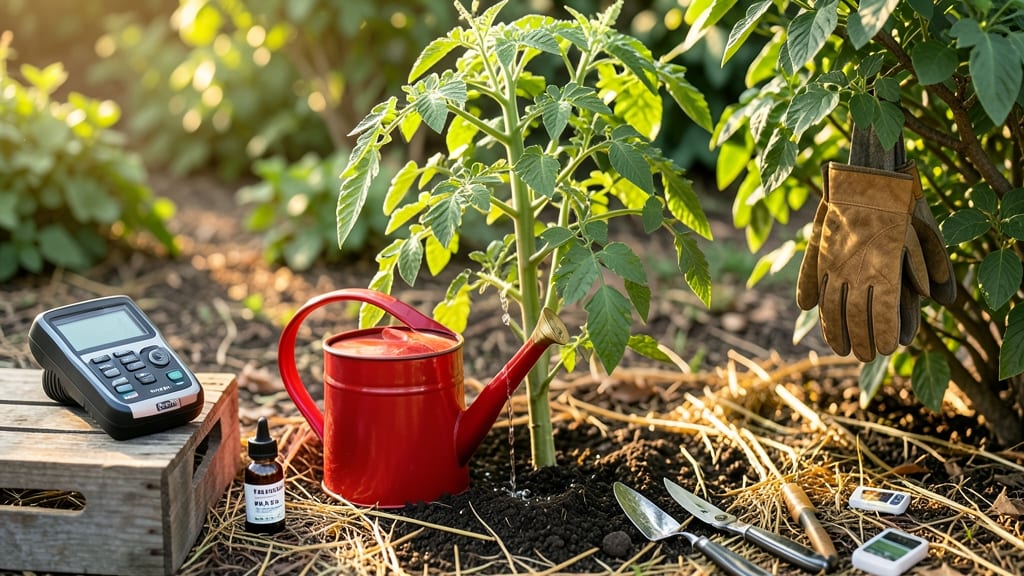
How to bring your tomato plants back to life—they’re not dead yet, just desperate for help. 🌱 I’ve nursed back more than I’d like to admit, and the secret lies in diagnosing the exact problem before diving into fixes. Overwatering? Underwatering? Disease? Each needs a different approach, and most gardeners waste time treating the wrong issue.
The good news is that tomatoes are resilient when you address the root cause. Start by checking the soil moisture with your finger—if it’s soggy, you’ve got drainage issues; if it’s bone-dry, your watering schedule needs a rewrite.
Yellow leaves? That’s often nitrogen deficiency or disease, not just thirst. The key is acting fast before the plant gives up completely.
Within 24-48 hours of proper care, you’ll see new signs of life—firm stems, perky leaves, and even fresh growth.
I’ve revived plants that looked like they were on their last legs, and the results speak for themselves: stronger vines, better fruit set, and plants that bounce back like nothing happened.
Once you’ve got them back on track, a few simple adjustments—like mulching to retain moisture or rotating crops next season—will keep them thriving. No more guesswork, just foolproof recovery that works every time. Let’s get those plants back in fighting shape.
Root Causes of Dying Tomato Plants
Tomato plants are resilient, but they can quickly decline when their roots—or the conditions around them—suffer. Understanding the why behind wilting, yellowing, or stunted growth is the first step to reviving them.
Below, we break down the most common culprits, backed by science, so you can diagnose the issue fast and act decisively.
---
Your tomato plant’s roots need oxygen as much as water. When soil stays soggy for too long, roots suffocate, leading to root rot—a fungal or bacterial infection that cuts off nutrient uptake.
- Why it happens: Tomatoes thrive in well-draining soil with a pH of 6.0–6.8.
Overwatering (or compacted clay soil) traps excess moisture, creating an anaerobic (oxygen-free) environment where harmful microbes thrive. - Signs: Wilting despite wet soil, black or mushy roots, a foul smell, and leaves turning yellow (chlorosis) before browning. - Actionable insight: If your plant is in a pot, check the drainage holes.
If in-ground, amend soil with perlite or compost to improve aeration.
---
While too much water kills roots, too little triggers a cascade of stress responses. Tomato plants are 95% water—when deprived, they prioritize survival over fruit production, leading to leaf drop and stunted growth.
- Why it happens: Tomato roots absorb water through osmosis, but when soil dries out, cells lose turgor pressure (the "plumpness" that keeps leaves upright).
Prolonged drought also weakens the plant’s immune system, making it susceptible to pests. - Signs: Dry, crispy leaf edges, wilting that doesn’t recover after watering, and a dull, grayish-green hue. - Actionable insight: Water deeply 1–2 inches per week (more in extreme heat).
Use mulch to retain moisture and reduce evaporation.
---
Tomatoes are heavy feeders, requiring a balanced diet of nitrogen (N), phosphorus (P), and potassium (K). A deficiency in any of these—or an imbalance—can mimic disease symptoms, stunting growth or causing leaf discoloration.
| Nutrient | Role | Deficiency Signs | Quick Fix | |--------------|-----------------------------------|-----------------------------------------------|----------------------------------------| | Nitrogen (N) | Leaf growth, chlorophyll | Yellowing lower leaves (chlorosis) | Apply blood meal or fish emulsion | | Phosphorus (P) | Root development, flowering | Dark green/purple stems, weak roots | Use bone meal or rock phosphate | | Potassium (K) | Disease resistance, fruit quality | Brown leaf edges, weak stems | Add wood ash or potassium sulfate |
- Why it happens: Poor soil quality, over-fertilizing with only nitrogen (e.g., lawn fertilizer), or lockout (when soil pH is too high/low, preventing nutrient uptake). - Actionable insight: Test your soil (kits cost ~$10) and amend with compost or a balanced 10-10-10 fertilizer.
Avoid synthetic fertilizers if your soil is already rich in one nutrient.
---
Hidden invaders like nematodes, aphids, or fungal pathogens (e.g., early blight, verticillium wilt) can sever roots or block vascular tissue, starving the plant of water and nutrients.
- Why it happens: - Nematodes (microscopic worms) burrow into roots, causing galls (lumpy growths) that disrupt water flow. - Fungal diseases thrive in warm, humid conditions and clog root cells with mycelium (fungal threads), preventing absorption. - Aphids suck sap, weakening the plant’s ability to photosynthesize. - Signs: - Nematodes: Stunted growth, yellowing leaves, roots with tiny white/cysts. - Fungal wilt: Sudden wilting (even in moist soil), vascular discoloration (brown streaks in stems). - Aphids: Sticky residue (honeydew), curled leaves. - Actionable insight: - For nematodes: Solarize soil (cover with clear plastic for 4–6 weeks) or plant marigolds (natural nematicide). - For fungi: Remove infected plants, improve airflow, and apply copper fungicide. - For pests: Spray with neem oil or introduce ladybugs.
--- Tomatoes are warm-season crops (ideal: 70–85°F). Extreme heat or cold shocks the plant, halting root activity and nutrient uptake.
- Why it happens: - Cold stress: Roots stop growing below 50°F, and cells rupture if frozen. - Heat stress: Soil temperatures above 90°F kill beneficial microbes and cause osmotic stress (roots can’t absorb water efficiently). - Signs: - Cold: Blackened leaves, stunted growth, root dieback. - Heat: Leaf scorch (brown edges), blossom drop, wilting even with water. - Actionable insight: - For cold: Use row covers or black plastic mulch to warm soil. - For heat: Provide shade cloth (30–50%) and water early morning to cool roots.
--- Disturbing roots during transplanting or pruning can trigger a metabolic slowdown, causing wilting or poor recovery.
- Why it happens: Roots have symbiotic relationships with soil microbes (e.g., mycorrhizae) that aid nutrient absorption.
When uprooted, these connections break, and the plant diverts energy to regrowing roots instead of leaves/fruit. - Signs: Wilting within 24–48 hours of transplanting, slow recovery despite proper care. - Actionable insight: - Minimize root disturbance: Use container-grown seedlings (avoid bare-root plants). - Water deeply before and after transplanting to reduce shock. - Avoid pruning for 1–2 weeks post-transplant.
--- Most "dying" tomato plants are salvageable if you catch the issue early. The root of the problem (pun intended!) usually boils down to water, nutrients, or biology. Start by checking: 1. Soil moisture (stick your finger in—if dry 2" down, water).
2. Root condition (gently dig up a small section to inspect for rot or pests). 3. Environmental stressors (shade, temperature, or airflow issues).
Once you identify the culprit, your tomato plant can bounce back—often within days to a week—with the right care. 🚀
Revive Your Tomatoes Now
---
Your tomato plants aren’t beyond saving—even if they look wilted, yellowed, or downright lifeless! The key is acting fast with the right fixes. Below, we’ve mapped out practical, step-by-step solutions for the most common tomato plant killers, plus prevention tips to keep your plants thriving long-term.
No green thumb required—just follow the plan!
---
If your soil feels soggy, your leaves are yellowing (especially lower ones), or the stems smell foul, root rot is likely the culprit. Overwatering suffocates roots, cutting off their oxygen supply.
#### How to Fix It: 1. 🚰 Stop Watering Immediately - Let the soil dry out completely before watering again. Stick your finger 1–2 inches into the soil—if it’s damp, wait.
2. 🧹 Repot or Trim the Roots (If Severe) - Gently remove the plant from its pot and inspect the roots.
Healthy roots are firm and white; mushy, black, or brown roots must be trimmed with sterilized scissors. - Repot in fresh, well-draining soil (mix in perlite or coconut coir for aeration).
3. 🌱 Boost Recovery with Fungicide - Spray the roots and soil with a copper-based fungicide or hydrogen peroxide (1 part peroxide to 4 parts water) to kill fungus.
#### 💡 Prevention Tips: - Use pots with drainage holes and water only when the top 1–2 inches of soil are dry. - Avoid soggy soil—tomatoes hate "wet feet."
Mulch with straw to regulate moisture. - If planting in the ground, ensure the area has good drainage (raise beds if needed).
---
Crispy, curling leaves, dry soil, or wilting despite watering? Your tomatoes may be thirsty or overheated. Heat stress (especially above 90°F/32°C) can also scorch plants.
#### How to Fix It: 1. 💦 Water Deeply & Early - Water slowly and deeply at the base (not the leaves) in the early morning to reduce evaporation. Aim for 1–1.5 inches per week.
2. 🌿 Provide Shade & Airflow - Set up a shade cloth (30–50%) for afternoon sun or use a lightweight row cover. - Trim crowded foliage to improve airflow and reduce stress.
3. 🌡️ Cool Them Down - Mist leaves lightly in the evening (avoid midday to prevent fungal growth). - Place a fan nearby on low speed to mimic a gentle breeze.
#### 💡 Prevention Tips: - Mulch heavily with straw or grass clippings to retain moisture. - Choose heat-tolerant varieties like ‘Solar Fire’ or ‘Heatmaster’ for hot climates. - Water consistently—tomatoes prefer steady moisture over sporadic soaking.
---
Yellowing leaves (especially between veins), stunted growth, or weak stems? Your plants might be starving for nutrients, often due to poor soil or over-fertilizing with nitrogen (which burns roots).
#### How to Fix It: 1. 📊 Test Your Soil - Use a DIY soil test kit (or send a sample to a local extension office) to check pH (ideal: 6.0–6.8) and nutrient levels.
2. 🥗 Balance the Fertilizer - For nitrogen deficiency (yellow lower leaves): Switch to a balanced fertilizer (like 5-5-5) or compost. - For potassium deficiency (brown leaf edges): Use a banana peel tea (steep peels in water for 24 hours) or wood ash. - For magnesium deficiency (yellow between veins): Sprinkle Epsom salt (1 tbsp per gallon of water) every 2 weeks.
3. 🌱 Boost with Organic Matter - Mix compost or worm castings into the top 6 inches of soil to replenish nutrients naturally.
#### 💡 Prevention Tips: - Fertilize lightly—tomatoes need more potassium and phosphorus than nitrogen as they fruit. - Rotate crops yearly to prevent nutrient depletion. - Avoid synthetic fertilizers early in the season; opt for compost tea or fish emulsion instead.
---
Holes in leaves, chewed stems, or strange spots? Pests (aphids, hornworms) or diseases (early blight, fusarium wilt) can drain your plants’ energy.
#### How to Fix It: 1. 🐜 Identify the Culprit - Chewing damage? Handpick hornworms or cutworms at night (they hide during the day). - Sap-sucking pests (aphids, whiteflies)? Spray with soapy water (1 tsp mild soap per quart of water). - Fungal spots? Remove infected leaves and spray with neem oil or baking soda mix (1 tbsp baking soda + 1 quart water + a drop of soap).
2. 🌿 Strengthen the Plant - Prune heavily damaged leaves to redirect energy to recovery. - Boost immunity with a compost tea spray (rich in beneficial microbes).
3. 🚫 Quarantine if Needed - If disease is spreading, isolate the plant and sterilize tools with rubbing alcohol.
#### 💡 Prevention Tips: - Encourage beneficial insects like ladybugs or lacewings with dill or marigold companion plants. - Rotate crops to prevent soil-borne diseases from lingering. - Water at the base (not overhead) to reduce fungal spores.
---
With these fixes, your tomato plants should perk up within 3–7 days—just keep an eye on them and adjust care as needed. And remember: prevention is easier than revival! 🌱✨
Frequently asked questions
How do I know if my tomato plant is beyond saving?
Check for any green leaves—if even one remains, there’s hope! Look for firm stems (not mushy) and white roots when you inspect them. If the entire plant is black, smells foul, or has no signs of life after 5 days of proper care, it’s likely too late. But don’t give up until you’ve ruled out root rot or extreme dehydration.
Can I revive a tomato plant that’s been underwatered for weeks?
Yes, but do it gradually! Sudden deep watering can shock the plant. Start with small amounts of water every 2 hours for 4 hours total, then let the soil absorb. After 24 hours, water deeply again. Monitor for wilting—if it persists, trim damaged leaves to reduce stress and focus energy on recovery.
What’s the fastest way to tell if my tomato plant has root rot?
Gently dig up a small section of the plant and inspect the roots. Healthy roots are firm, white, and fibrous. Root rot shows as black, mushy roots with a foul smell. If you see this, stop watering immediately, trim the bad roots with sterilized scissors, and repot in fresh, dry soil.
Will pruning help a struggling tomato plant recover?
Yes, but only if the plant still has healthy leaves. Prune away yellow, brown, or diseased leaves to redirect energy to recovery. Avoid heavy pruning—remove no more than 20% of the foliage at once. Focus on opening up the plant to improve airflow, which speeds up healing.
How can I prevent my tomato plants from dying next season?
Start with well-draining soil (mix in compost and perlite) and use mulch to retain moisture. Water consistently at the base, avoid overhead sprinkling, and rotate crops yearly to prevent soil-borne diseases. Test your soil’s pH and nutrients annually—tomatoes thrive in 6.0–6.8 pH with balanced fertilization.