
Container Gardens
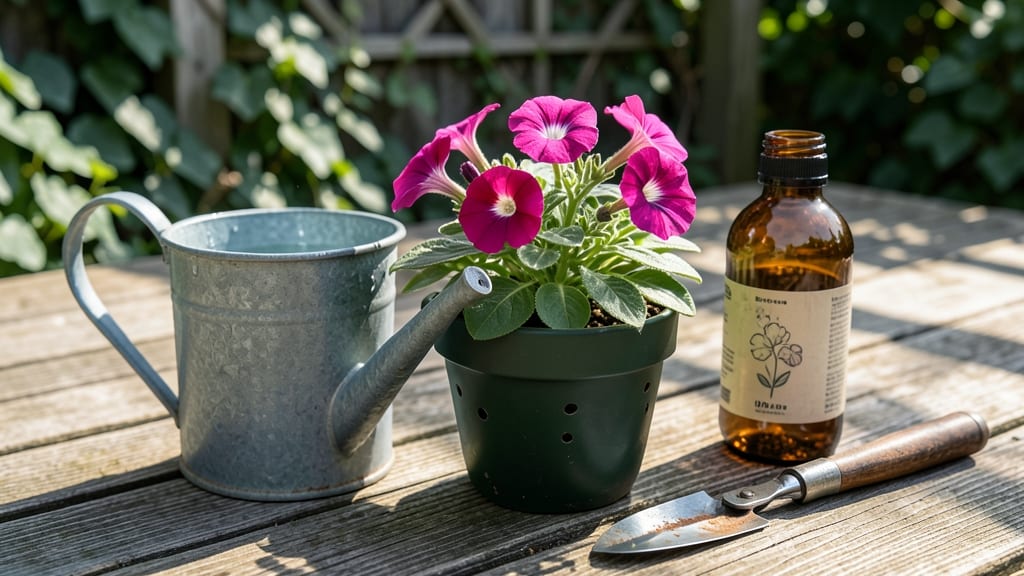
Caring for potted petunias means nonstop color that lasts all summer—if you nail just a few basics. 🌸 I’ve learned the hard way that petunias don’t like neglect, but they reward consistency with blooms that outshine anything from a store bouquet.
The secret? Sunlight, water, and a little pruning to keep them bushy and happy.
Start with well-draining soil and a pot with drainage holes—petunias hate soggy roots. Place them where they get 6+ hours of sun daily, and water when the top inch of soil feels dry.
Overwatering is the #1 killer, but underwatering makes them wilt faster than a day in the shade. Feed them every 2 weeks with a balanced fertilizer to keep those blooms coming.
Leggy stems or sparse flowers? It’s time to prune. Snip back the longest stems to encourage bushier growth, and deadhead spent blooms to trigger more flowers. My petunias now spill over their pots with double the blooms and half the maintenance. The key is staying consistent—no skipping steps!
Troubleshooting is easy: yellow leaves mean overwatering, brown edges mean underwatering, and pests? Just spray with soapy water. With these tips, your petunias will thrive in pots, hanging baskets, or window boxes all season long. Ready to make yours the envy of the neighborhood?
📚 In This Guide
- What you need
- Instructions
- Tips and common mistakes
- Wrapping up and next steps
What you need
- ● Potted Petunias: 1–3 plants (depending on pot size; 1 plant per 6–8" pot is ideal).
- ● Containers: Drainage holes required; 6–12" diameter pots for single plants, larger for clusters.
- ● Potting Mix: 1 bag (1–2 cubic feet) of well-draining mix (e.g., 60% peat/coir, 30% perlite, 10% compost).
- ● Watering Can or Hose: With a gentle spray nozzle to avoid disturbing soil.
- ● Fertilizer: Balanced Liquid Fertilizer: 10-10-10 or 20-20-20 (diluted to half-strength).
- ○ Slow-Release Granules: Optional, but great for convenience (e.g., Osmocote 14-14-14).
- ● Pruning Shears: Sharp, clean scissors or shears (sterilize with rubbing alcohol).
- ● Mulch: Organic mulch (e.g., shredded bark or pine straw) to retain moisture.
- ● Support Stakes: For trailing varieties (e.g., 6–12" tall bamboo stakes or tomato cages).
- ● pH Test Kit: To monitor soil acidity (ideal range: 6.0–7.0 for petunias).
- ● Insecticidal Soap: For pest control (e.g., neem oil or pyrethrin-based sprays).
- ● Gloves: To protect hands from thorns (if using spiky varieties like Petunia × atkinsiana).
- ● Decorative Elements: Pebbles, moss, or decorative pots to elevate your display! 🎨
Step-by-Step instructions for thriving potted petunias
Here's the easy routine I follow to keep my petunias blooming all season long—no fancy tricks, just consistent care.
💧 Step 1: Water Deeply When Soil Feels Dry
Check the soil daily during hot weather—petunias wilt fast when thirsty. Stick your finger 1 inch deep into the soil. If it feels dry, water thoroughly until water runs out the drainage holes. I use room-temperature water to avoid shocking the roots, and I always water in the morning so leaves dry quickly.
Underwatering causes buds to drop, while overwatering leads to root rot. You'll know you're doing it right when the top inch of soil feels slightly damp but not soggy. Petunias are drought-tolerant once established, but container plants dry out faster than in-ground plants.
☀️ Step 2: Provide Bright Light Daily
Petunias need 6-8 hours of direct sunlight for continuous blooming. A south-facing window or patio spot works best. If you notice leaves stretching toward the light or stems growing weak, your plant needs more sun. I rotate my pots weekly so all sides get even exposure.
In shadier spots, expect fewer blooms and more leafy growth. If your petunias start looking leggy, move them closer to a bright window or supplement with a grow light. You'll see stronger stems and more flowers within a week of adjusting their light.
✂️ Step 3: Deadhead Regularly for Nonstop Blooms
Pinch or cut off spent flowers above the next set of leaves using clean scissors. This simple step tells the plant to focus energy on new blooms instead of seed production. I do this every morning while watering—it takes just a minute per pot and keeps flowers coming.
Don't skip this step! Without deadheading, petunias put all their energy into seed pods, leaving you with fewer blooms. You'll notice new buds forming at the base within 3-5 days of consistent deadheading. For trailing varieties, trim leggy stems back by ⅓ to encourage bushier growth.
🪴 Step 4: Feed Weekly During Blooming Season
Use a balanced liquid fertilizer (10-10-10) diluted to half strength every 7-10 days during spring and summer. I mix it with water in a spray bottle and apply it directly to the soil, avoiding the leaves. This prevents leaf burn while giving roots the nutrients they need.
Stop fertilizing in late summer when growth slows naturally. Over-fertilizing leads to lush leaves but fewer flowers. You'll know you're feeding right when your petunias produce 3-5 new blooms per week without gaps in flowering.
Tips & tricks for perfect potted petunia care
Here's what I've learned after years of keeping petunias blooming like crazy—simple tricks that make all the difference.
Morning Care Routine: I water my petunias first thing in the morning during Step 1, and it makes a huge difference. Watering in the morning gives leaves plenty of time to dry, preventing fungal issues. Plus, the roots absorb moisture when they're most active. If you must water later, do it by mid-afternoon to avoid evening dampness that invites pests. This simple habit keeps my plants thriving without extra effort.
Light Positioning Secret: In Step 2, when you rotate your pots weekly, pay attention to which side gets the most sun. The side facing true south (or west in southern hemisphere) will need more frequent watering since it dries out fastest. I mark my pots with a paint dot on the shadiest side so I can track which direction they're facing—this helps me adjust watering schedules without overcomplicating things.
Deadheading Shortcut: For Step 3, I keep a small pair of clean scissors dedicated just to my petunias. After deadheading, I wipe them down with rubbing alcohol to prevent spreading disease between plants. The key is to cut just above a leaf node, not at a joint—this encourages new growth from that spot. I've found that doing this every other day during peak bloom season keeps my plants producing flowers nonstop.
Fertilizer Timing: When feeding in Step 4, I always check the weather forecast first. If rain is expected within 24 hours, I skip fertilizing that day. The nutrients get washed away before the roots can absorb them. I also mix my fertilizer with water in a spray bottle and apply it directly to the soil, not the leaves—this prevents leaf burn and ensures the roots get what they need.
Pro Tips for Care For Potted Petunias
- Here's what I've learned after years of keeping petunias blooming like crazy—simple tricks that make all the difference.
- Morning Care Routine: I water my petunias first thing in the morning during Step 1, and it makes a huge difference.
- Light Positioning Secret: In Step 2, when you rotate your pots weekly, pay attention to which side gets the most sun.
Frequently asked questions
Got questions about keeping your potted petunias happy and blooming? Here are some of the most common concerns—and their solutions!
How often should I water my potted petunias?
Petunias love moisture but hate soggy roots. Water when the top inch of soil feels dry—usually every 1-2 days in hot weather. Use a self-watering pot or add mulch to retain moisture. Pro tip: Water at the base, not overhead, to prevent fungal diseases.
Can petunias survive in full sun all day?
Petunias thrive in full sun (6+ hours daily), but in scorching climates (like the Southwest U.S.), they may need afternoon shade to prevent wilting. Watch for leaf scorch—if edges turn brown, move them to partial shade temporarily.
Do I need to deadhead petunias in pots?
Yes! Deadheading (removing spent blooms) encourages nonstop flowers. Pinch or snip just above the next leaf node. For trailing varieties, trim leggy stems to half their length to promote bushier growth. Bonus: Wear gloves—petunia stems can be prickly!
What pests should I watch for in potted petunias?
Common culprits include aphids, spider mites, and whiteflies. Check undersides of leaves for sticky residue or tiny webs. Blast pests off with water or use neem oil (mix 1 tbsp per quart of water). Introduce ladybugs for natural control!
Can I grow petunias indoors near a window?
Petunias need bright light (south-facing window) to bloom indoors. Supplement with a grow light 12–14 hours daily if natural light is dim. Keep humidity up with a pebble tray, but avoid overwatering—indoor pots dry out slower.
Wrapping up and next steps
Caring for potted petunias is all about consistency, love, and a little green thumb magic! 🌸 With the right balance of sunlight, water, and occasional pruning, your petunias will reward you with vibrant blooms all season long.
Remember, even the most experienced gardeners started somewhere—so don’t hesitate to experiment and learn as you go.
Ready to take your petunia care to the next level? Try mixing in some companion plants like marigolds or basil to boost growth and deter pests. Happy gardening! 🌱